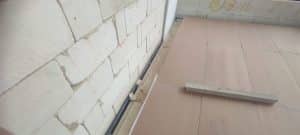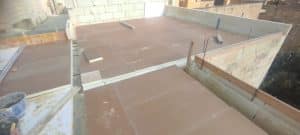

When it comes to construction in Malta, there’s one often-overlooked component that can make or break your floors—screed. And more importantly, choosing the best screed mix for Malta climate isn’t just a technical detail… it’s a decision that affects your entire project’s durability, efficiency, and long-term cost.
Why? Because Malta’s unique weather patterns—intense heat, high humidity, and salt-rich sea air—can severely impact traditional flooring materials if they aren’t suited for the environment. That’s where the right screed mix becomes essential.
Whether you’re laying floors for a residential property in Naxxar or a commercial build in Valletta, this guide will walk you through why selecting the best screed mix for Malta climate is absolutely crucial—and how to get it right.
☀️ Why Climate Matters in Screed Selection | Best Screed Mix For Malta Climate
Before diving into the mixes themselves, it’s important to understand what makes Malta’s climate unique—and how that directly impacts your screed performance.
Malta has a Mediterranean climate, with:
Hot, dry summers (temperatures often reaching 35°C or more)
Mild, wet winters
High humidity levels year-round, especially in coastal areas
Frequent salt exposure from sea breezes, which increases corrosion risk
These conditions cause challenges such as:
Faster moisture evaporation during curing
Increased cracking risks
Salt attack on weaker mixes
Longer setting times during colder, humid months
That’s why choosing the best screed mix for Malta climate isn’t just about strength—it’s about compatibility with moisture, salt, and temperature fluctuations.
🔍 What Is the Best Screed Mix for Malta Climate? | Best Screed Mix For Malta Climate
Let’s answer the main keyword directly and clearly:
The best screed mix for Malta climate is typically a modified sand-cement blend enhanced with plasticisers, fibres, or fast-drying additives. It must be able to resist high temperatures, tolerate humidity, and maintain stability under salt exposure.
In most cases, contractors in Malta opt for:
Sand:cement ratio of 4:1 or 3:1
Plasticisers or water reducers to improve workability
Polypropylene fibres to reduce cracking
Low shrinkage additives
Fast-drying formulas for accelerated project timelines
Each of these components plays a role in helping the screed adapt to Malta’s demanding climate.
🧪 Comparing Screed Types for Malta | Best Screed Mix For Malta Climate
There isn’t a one-size-fits-all answer, so let’s break down the main types of screed and how they perform under Malta’s conditions:
1. Traditional Sand and Cement Screed
Composition: Sand, cement (usually in a 4:1 or 3:1 ratio), and water.
Pros:
Affordable (€12–€20 per m²)
Easy to mix on-site
Can be modified for better performance
Cons:
Long drying times (up to 1 day per mm)
Prone to cracking if not properly reinforced
Needs controlled curing in hot weather
✅ Best for: Small to medium residential areas with no time pressure. Can be used if additives are included for flexibility and drying control.
2. Polymer-Modified Screed
Composition: Cementitious base with polymer additives (or acrylics).
Pros:
Increased flexibility
Improved bonding and crack resistance
Better tolerance to moisture and salt air
Dries faster than traditional screed
Cons:
Slightly more expensive (€18–€28 per m²)
Needs experienced applicators
✅ Best for: Areas exposed to sea air or changing humidity. Ideal for balconies, kitchens, and areas near coastlines.
3. Liquid Flow Screeds (Anhydrite)
Composition: Calcium sulphate-based, pump-applied
Pros:
Self-levelling
Fast application
Lower shrinkage
Good thermal conductivity (great for underfloor heating)
Cons:
Sensitive to water—must be sealed properly
Not ideal in high-humidity areas unless well protected
✅ Best for: Large internal floors, underfloor heating installations
Cost: €22–€30 per m² (includes application and materials)
4. Fast-Drying Screeds
Composition: Cementitious with special drying accelerants
Pros:
Walkable in 12–24 hours
Flooring can be installed in as little as 7 days
Reduced project time
Cons:
Expensive (€25–€40 per m²)
Less forgiving to installation mistakes
✅ Best for: Commercial sites, projects with tight deadlines, or when quick turnaround is needed in hot weather.
🧰 Additives That Boost Performance in Malta’s Climate | Best Screed Mix For Malta Climate
Even traditional screeds can be adapted to suit the climate better. Let’s look at some common additives:
• Plasticisers
Reduce the amount of water needed in the mix, improving workability and reducing shrinkage. A must for hot weather where drying is accelerated.
Cost: €1.50–€3 per m²
• Fibres (Polypropylene or Glass)
Help prevent micro-cracking due to thermal changes. Crucial for sunny locations where heat affects surface drying.
Cost: Around €2 per m² added to the mix
• Rapid Set Additives
Useful in Malta’s busy construction industry to keep timelines short. These additives accelerate drying without compromising performance.
Cost: €3–€5 per m²
• Sealers or DPM Layers
Prevent moisture from re-entering the screed from below, especially during the wet season.
Cost: €5–€8 per m² for high-quality sealers or membranes
📍 Real Use Case: Screeding a Coastal Villa in Gozo | Best Screed Mix For Malta Climate
Let’s take a real-world scenario to show how important this choice is.
A client was building a holiday villa just meters from the sea in Gozo. Due to high exposure to salt air and direct sun, the project required a screed that would:
Set quickly to stay ahead of rising humidity
Resist cracking from temperature shifts
Bond well with the waterproofing layer
The chosen solution?
✅ Polymer-modified screed with fibres
✅ Applied over a DPM with edge insulation
✅ Final floor ready in just 10 days
Without this custom approach, the screed would likely have cracked within months—especially during the humid autumn.
🔧 Should You Mix On-Site or Use Pre-Mixed Screed? | Best Screed Mix For Malta Climate
This is a key decision many Maltese builders face. Both have pros and cons:
On-Site Mixing
Pros:
Cheaper
Flexible ratios
Immediate availability
Cons:
Quality can vary
Requires skilled labour
Weather-sensitive
Pre-Mixed Screeds
Pros:
Consistent quality
Easier to handle logistics
Pre-blended with additives
Cons:
Slightly more expensive
Must be scheduled ahead
In Malta’s climate, pre-mixed options often win for reliability—especially for large or critical floor areas.
🏗️ Where Screed Fits into Turnkey Construction | Best Screed Mix For Malta Climate
In any turnkey construction project, screeding plays a pivotal role—it’s the foundation beneath every floor tile, carpet, or resin finish. But in the Maltese climate, it’s even more important.
If the wrong mix is chosen, or the drying process is rushed, it can lead to curling, cracking, or adhesive failure—resulting in rework costs that blow your budget.
That’s why Malta-based turnkey contractors like Kibitec integrate screed planning early in the process, ensuring that drying schedules, insulation, underfloor heating, and flooring timelines are all aligned with local environmental factors.
🛒 Need to Buy or Book Screeding Services? | Best Screed Mix For Malta Climate
Whether you’re a contractor, developer, or homeowner, you can purchase the best screed mix for Malta climate or schedule a full-service screeding package directly with us.
👉 Just head over to our contact page and request a free consultation:
🔗 https://kibitec.com/contact-us/
💧 Moisture Management in Malta: What You MUST Know | Best Screed Mix For Malta Climate
Humidity is a major concern in Malta—especially in coastal regions like St. Julian’s, Sliema, or Birżebbuġa. While Malta enjoys mostly dry summers, autumn and winter bring elevated humidity and rainfall, which can significantly affect screed performance.
So, how do you manage moisture before and after applying the best screed mix for Malta climate?
📍 Before Screeding
Check substrate moisture levels
Use a carbide bomb test or digital hygrometer. Moisture content should be below 75% RH (relative humidity) for bonded screeds, and below 65% RH for timber or vinyl finishes.Install a damp-proof membrane (DPM)
Especially essential for ground floors and basements. Use overlapping sheets taped tightly with waterproof adhesive.Avoid applying screed in open-air humid conditions
If weather is unstable, consider delaying application or use weather protection barriers.
📍 After Screeding
Control air circulation
Don’t let direct wind or rapid airflow dry the screed too quickly—it can lead to surface shrinkage and hairline cracking.Use curing agents or plastic sheeting
Cover the screed for at least 3–7 days to ensure moisture evaporates slowly and evenly.Mist the surface in dry summer months
In places like Mosta or Marsaskala, where the sun can dry a surface in hours, mist spraying is an old-school but effective trick.
⏳ How to Know When Your Screed is Fully Dry | Best Screed Mix For Malta Climate
This is one of the most misunderstood phases in flooring. Many assume if it “feels dry” underfoot, it’s ready—but not so fast.
Let’s debunk that.
Here’s what you need to do:
✔ Use a Tramex Moisture Meter
These are non-invasive tools that read moisture without damaging the screed.
✔ Perform the Plastic Sheet Test
Seal a square metre of plastic onto the screed and leave it for 24 hours. If moisture builds up underneath, your screed isn’t dry.
✔ Look for Color Consistency
While not a scientific test, fully dried screed typically has a uniform light-grey appearance. Any dark patches may still be holding moisture.
For cement-based screeds, the rule of thumb is 1 day per mm up to 50mm—meaning a 60mm screed may take 60–75 days in normal conditions. Add extra time in winter, or subtract some if you’re using fast-drying additives or flow screeds.
🧯 What Happens If You Use the Wrong Screed Mix? | Best Screed Mix For Malta Climate
Using the wrong screed—one that doesn’t match Malta’s climate—can have serious consequences:
Cracking: from thermal expansion in the hot sun
Delamination: when high humidity prevents bonding
Efflorescence: white, salty deposits from trapped moisture
Long delays: from extended drying time during winter
Increased costs: redoing floors can cost up to €35–€50 per m², including removal
Let’s be real: mistakes in screed selection don’t just cost money—they delay projects, damage reputations, and cause client dissatisfaction.
That’s why getting the best screed mix for Malta climate is a decision you want to nail from day one.
🛠️ How Kibitec Customises Screed Solutions in Malta | Best Screed Mix For Malta Climate
At Kibitec, we understand that no two builds are alike. We don’t offer one-size-fits-all screeds—we offer tailored solutions based on:
Location (coastal vs inland)
Floor type (residential, commercial, industrial)
Humidity levels
Project timeline
Final floor finish (tile, timber, resin, etc.)
Whether it’s a fast-drying screed for a commercial site in Birkirkara or a flow screed over underfloor heating in a villa in Madliena, we ensure the right additives, thickness, curing, and prep for optimal results.
Need expert advice or a quote?
👉 Contact us today at: https://kibitec.com/contact-us/
💸 Price Breakdown: What You Can Expect to Pay in Malta | Best Screed Mix For Malta Climate
Here’s a price summary of common screeds suited for Malta’s climate, including installation:
| Screed Type | Avg. Price per m² | Notes |
|---|---|---|
| Traditional Sand/Cement | €12–€20 | Most affordable; longer drying |
| Polymer-Modified | €18–€28 | Flexible, good for humidity |
| Liquid Flow Screed | €22–€30 | Self-levelling; great for large areas |
| Fast-Drying Screed | €25–€40 | Perfect for quick finishes |
Note: Prices include basic labour, materials, and application. Extras like underfloor heating or sealing may cost more.
🧭 Final Recommendations: Choosing the Best Screed Mix for Malta Climate | Best Screed Mix For Malta Climate
Here’s a quick cheat sheet:
| Location/Condition | Recommended Screed Type |
|---|---|
| Coastal Area | Polymer-Modified or Flow Screed |
| Humid Basement | Traditional with DPM + Additives |
| Underfloor Heating Project | Liquid Flow Screed |
| Fast Turnaround Needed | Fast-Drying Screed |
| General Home Renovation | Traditional with Fibres + Primer |
🛒 Check Out Our Screed Services in Malta | Best Screed Mix For Malta Climate
Looking to make the right screed choice for your build?
Kibitec provides full screed supply and installation services tailored for Maltese weather conditions. We don’t just pour and go—we assess, plan, and guarantee a solid floor that lasts.
👉 See our services here:
🔗 https://kibitec.com/screed-malta/
📞 Contact Us – We’re Here to Help | Best Screed Mix For Malta Climate
Still unsure about the best screed mix for Malta climate? We’re happy to guide you.
✅ Get expert recommendations
✅ Request a free quote
✅ Book a site visit anywhere in Malta
📩 Reach out today at:
🔗 https://kibitec.com/contact-us/
🔚 Final Thoughts | Best Screed Mix For Malta Climate
When it comes to flooring success, it’s not just what you see on top that counts—it’s what’s underneath. And choosing the best screed mix for Malta climate ensures that every floor in your project stays level, strong, and problem-free for years.
Don’t cut corners on this crucial step. Choose quality. Choose climate compatibility. Choose Kibitec.