When you hear the word demolition Malta, you might imagine big machines knocking down old buildings in a cloud of dust. While that’s partly true, demolition is much more than destruction—it’s a carefully planned process that opens the door for new beginnings. From urban renewal projects in Valletta to private home renovations in Gozo, demolition is the first step toward modernization, safety, and better living spaces.
But why is demolition Malta so important, and what should homeowners, developers, or businesses know before starting such a project? Let’s explore the real reasons why demolition matters in Malta, how long it takes, what it costs, and why working with trusted professionals makes all the difference.
What Is Demolition Malta Really About?
At its core, demolition Malta refers to the controlled dismantling, tearing down, or removal of buildings, houses, and structures across the islands. It’s not simply about bulldozers or excavators—it’s a regulated process that ensures safety, environmental responsibility, and compliance with Malta’s strict planning laws.
In Malta, demolition plays a crucial role in shaping the built environment. Many older properties, especially those built in the mid-20th century, are no longer safe or efficient. They often need to be demolished to make way for modern apartments, offices, or eco-friendly homes.
In fact, with Malta’s limited land area and high demand for property development, demolition Malta has become one of the most requested construction services.
Why Is Demolition Malta So Common?
There are several reasons why demolition is frequently carried out across Malta:
- Urban Development Pressure – With population growth and limited land, older homes are often replaced with multi-story apartment blocks.
- Structural Safety – Some old limestone houses, while charming, may be unsafe due to cracks, poor foundations, or decades of neglect.
- Modernization Needs – Many properties lack energy efficiency, proper insulation, or layouts suited to today’s lifestyles.
- Commercial Expansion – Businesses often need demolition to clear sites for new shops, offices, or industrial projects.
- Government and Infrastructure Projects – Road expansions, schools, and public buildings often require demolition of outdated structures.
So, when you see demolition Malta in action, it’s not just about tearing something down—it’s about making space for progress.
The Process of Demolition Malta: Step by Step
To really understand demolition Malta, it’s important to see the stages that every project must go through. A professional demolition is never just “knocking walls down.” It’s a process.
1. Site Assessment and Planning
Every demolition project begins with a survey of the property. Engineers and architects inspect the structure, check for hazards like asbestos, and design a safe demolition plan.
2. Permit Applications
In Malta, the Planning Authority requires official approval before any demolition can take place. This can take a few days to a few weeks, depending on the location and type of property.
3. Utility Disconnection
Electricity, water, and gas must be shut off to prevent accidents during demolition. This step is essential for safety.
4. Structural Demolition
Depending on the property, demolition can be carried out by:
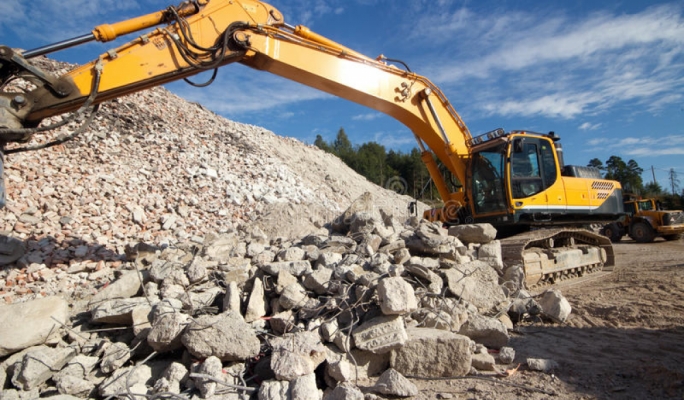
- Mechanical equipment like excavators and bulldozers.
- Manual dismantling for heritage or attached properties in narrow streets.
- Controlled partial demolition where only parts of a structure are removed.
5. Waste Removal and Recycling
The final step is clearing rubble and debris. In Malta, rubble is taken to licensed quarries, and some materials (like steel or stone) are recycled.
By breaking demolition down into stages, it’s clear that demolition Malta is about precision and safety—not chaos.
How Long Does Demolition Malta Take?
Another key concern for property owners is timing. So, how long does it take?
On average:
- Small houses: 7–10 days
- Medium houses: 10–15 days
- Large houses: 15–30 days
However, you should also factor in permit approval (7–14 days) and debris removal (3–7 days).
So in total, a demolition project in Malta can take 2–4 weeks from start to finish.
Factors That Affect Demolition Speed in Malta
Several elements influence how fast a demolition is completed:
- Property Size – Larger structures take longer.
- Access to Site – Narrow streets in Sliema or Valletta slow down heavy machinery.
- Demolition Method – Mechanical demolition is quicker than manual dismantling.
- Neighboring Buildings – Shared walls or close properties require extra care.
- Weather – Although Malta enjoys good weather, heavy rains or strong winds can delay work.
When it comes to demolition Malta, patience and preparation are key.
Why Hiring Experts for Demolition Malta Matters
You might be tempted to save money by hiring the cheapest contractor. But demolition is one area where expertise truly matters. Here’s why:
- Safety First: Demolition involves risks like collapsing walls, dust hazards, and falling debris. Professionals follow strict safety standards.
- Legal Compliance: Avoid fines by ensuring all work is carried out with the proper permits.
- Time Efficiency: Experienced contractors can plan demolition faster and anticipate challenges.
- Cost Control: Mistakes in demolition often lead to expensive repairs later.
At Kibitec, we’ve helped countless clients across Malta complete demolition projects safely, efficiently, and on schedule.
Real-Life Example of Demolition Malta
Let’s look at a real-world case.
A two-story townhouse in Birkirkara was scheduled for demolition to make space for modern apartments.
- Permits & prep: 2 weeks
- Demolition: 8 days (using mechanical + manual methods)
- Waste removal: 5 days
Total time: 25 days
This example highlights the balance of careful planning and efficient execution. Without experienced contractors, it could have taken much longer—or resulted in damage to neighboring properties.
Tips to Make Demolition Malta Faster and Smoother
If you want your demolition project to be efficient and stress-free, there are some practical steps you can take. While the contractor handles most of the heavy lifting, smart preparation on your side can save both time and money.
1. Handle Paperwork Early
The number one cause of delays in demolition Malta isn’t machinery—it’s permits. Apply for Planning Authority approval as soon as possible. Also, contact utility providers early to schedule disconnections.
2. Choose the Right Method
Demolition methods vary, and the wrong choice can slow down progress. Discuss options with your contractor—whether mechanical demolition, manual dismantling, or a hybrid approach.
3. Prepare for Waste Management
Malta is strict about rubble disposal. Pre-arrange waste collection trucks to avoid downtime when rubble starts piling up. Booking disposal slots in advance with licensed facilities prevents costly delays.
4. Set a Realistic Timeline
Don’t expect a three-story property in a crowded street to be demolished in a week. Setting realistic expectations avoids frustration and allows your contractor to work safely.
5. Hire Trusted Professionals
The most effective way to speed up the process is to choose an experienced demolition company. Skilled contractors can predict challenges, keep the process moving, and prevent costly surprises.
Common Mistakes People Make in Demolition Malta
Many homeowners and developers underestimate what’s involved in demolition. Here are some pitfalls to avoid:
1. Skipping Utility Disconnections
Attempting to start demolition without disconnecting electricity, gas, or water is both dangerous and illegal. It can also delay work significantly.
2. Underestimating Waste Volume
A 200 sqm house can produce hundreds of tons of rubble. Not planning for enough truckloads means the site will get clogged, slowing down the project.
3. Ignoring Neighbors
In Malta, where homes are closely packed, noise and dust can cause complaints. In extreme cases, local councils or authorities can halt work. Informing neighbors ahead of time avoids conflict.
4. Hiring the Cheapest Contractor
Low bids often mean corners are cut on safety, equipment, or waste management. This can result in higher costs later due to fines or structural damage.
5. Assuming All Demolition Is the Same
A rural farmhouse, a townhouse in Valletta, and a modern villa all require different demolition strategies. Assuming one method fits all can lead to problems.
Why the Right Contractor Makes All the Difference
When it comes to demolition Malta, the choice of contractor is the single most important decision you’ll make. Here’s why:
1. Knowledge of Regulations
Experienced contractors know Malta’s planning laws inside out. They can handle permits faster and ensure your project is legally compliant.
2. Access to the Right Equipment
The wrong equipment slows everything down. A good contractor will have the right machinery for your specific property—whether it’s a small skid-steer for tight alleys or a heavy excavator for open plots.
3. Safety Standards
Demolition is inherently risky. Professional contractors follow strict safety protocols, protecting workers, neighbors, and nearby structures.
4. Time and Cost Efficiency
Professionals don’t just work faster—they also minimize mistakes that cause delays and unexpected expenses.
5. Waste Management Expertise
From rubble disposal to recycling reusable materials, a skilled contractor ensures waste is handled responsibly, avoiding fines and environmental harm.
At Kibitec, we’ve built a reputation in Malta for handling demolition with precision, speed, and reliability. Our clients know that when we take on a project, it gets done properly.
The Future of Demolition Malta
The demolition industry in Malta is also evolving. As sustainability becomes a priority, more companies are focusing on:
- Recycling stone, steel, and wood instead of dumping everything.
- Dust suppression technology to reduce impact on neighbors and the environment.
- Noise reduction methods to make demolition less disruptive in urban zones.
- Safer, smaller equipment designed for Malta’s narrow streets.
These innovations may not always make demolition faster, but they make it smarter—delivering long-term benefits for both homeowners and communities.
Frequently Asked Questions About Demolition Malta
Q: Can I demolish a house without a permit in Malta?
No. You must obtain Planning Authority approval before any demolition takes place.
Q: How long does a demolition project usually take?
Typically 2–4 weeks, depending on property size, location, and method.
Q: How much does demolition cost in Malta?
Between 35–65 per square meter, with total costs ranging from 3,500 to 19,500 depending on property size.
Q: Can I recycle any materials from my demolished property?
Yes. Stone, steel, tiles, and some wood can often be salvaged and reused.
Q: Will my neighbors be affected?
Yes, to some extent. But professional contractors manage dust, debris, and noise carefully to reduce impact.
Final Thoughts: Why Demolition Malta Is Essential
So, what’s the takeaway? Demolition Malta isn’t just about knocking down walls—it’s about creating opportunities for something better. Whether you’re redeveloping a family home, constructing new apartments, or clearing space for a business, demolition is the first step toward transformation.
Done correctly, it’s safe, efficient, and cost-effective. Done poorly, it can become a nightmare of fines, delays, and safety hazards. That’s why choosing the right contractor is everything.
If you’re considering demolition, don’t leave it to chance—trust the experts.
Contact Us
Ready to start your demolition project in Malta? Our team at Kibitec is here to guide you every step of the way.
👉 Contact us today to discuss your demolition needs and get a free consultation.
Check Out Our Services
We provide professional demolition and excavation services in Malta for both residential and commercial clients. Learn more here:
With Kibitec, you can count on speed, safety, and quality.
Learn More
For a deeper dive into the process worldwide, explore this article on demolition.