If you’re considering microcement for your home or business in Malta, one big question might be lingering in your mind: do I need to screed a concrete floor for microcement? The short answer? Yes—almost always. But there’s nuance to this, and that’s exactly what we’ll explore in this post.
We’ll break down when screeding is necessary, what it involves, and how it affects the final finish of your microcement surface. And because you’re not here for guesswork, we’ll also walk you through costs, alternatives, and the best steps to take next.
What Is Screeding—and Why Should You Care?| Do i Need To Screed a Concrete Floor For Microcement
Before answering the question do I need to screed a concrete floor for microcement, let’s first clarify what screeding actually is.
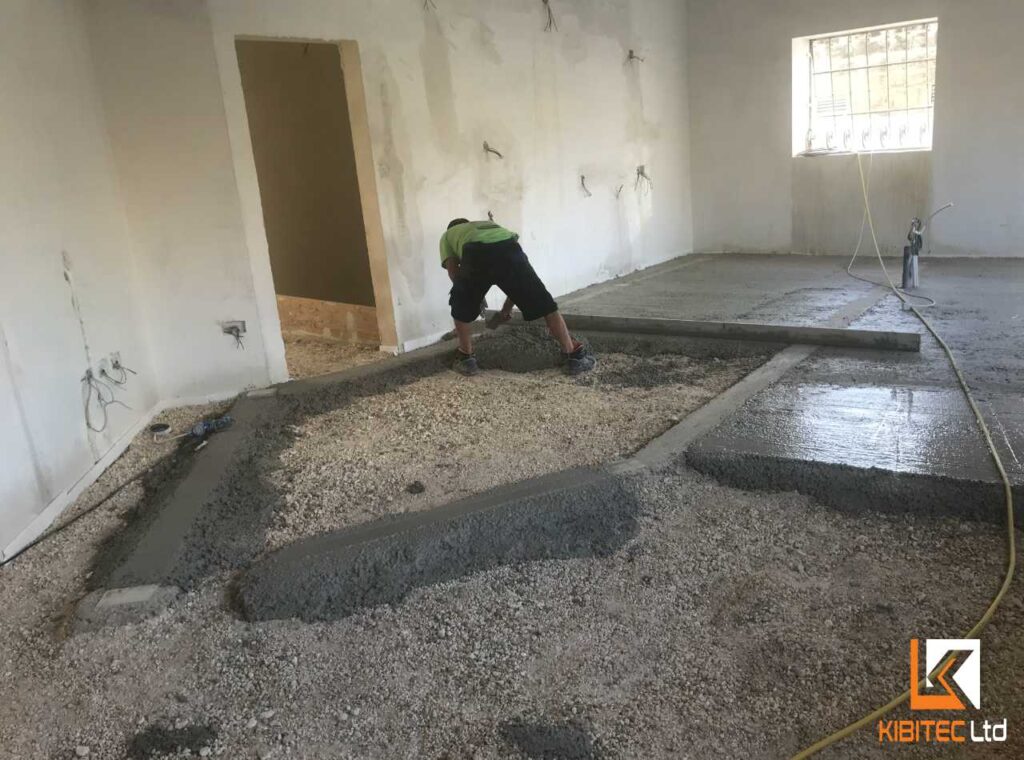
Screeding is the process of applying a smooth, level layer of material—usually sand and cement—on top of a subfloor. The goal is to create a flat, uniform, and stable base. Think of it as prepping a canvas before painting. Even the most luxurious microcement will crack or flake without a proper base.
In Malta’s climate, where humidity and salt air can wreak havoc on unfinished floors, a well-screeded surface also helps resist moisture penetration.
If your concrete floor is uneven, cracked, or crumbling, applying microcement directly can result in visible imperfections. Worse, it can lead to delamination—where the coating literally peels off the substrate. This is why the answer to do I need to screed a concrete floor for microcement is often yes.
When You Definitely Need Screed Before Microcement| Do i Need To Screed a Concrete Floor For Microcement
Let’s be real. Not all concrete floors are created equal. If you’re working with a freshly poured, laser-leveled, flawless concrete slab, you might be in luck. But that’s not usually the case.
Here’s when you absolutely need to screed:
1. Uneven Concrete Surface
Microcement is ultra-thin—usually 2–3 mm thick. So, any bumps, dips, or waves on your concrete floor will show through. A screed layer ensures complete flatness before the decorative finish is applied.
2. Visible Cracks or Deterioration
Old or badly mixed concrete tends to crack. These cracks will telegraph through the microcement layer if not corrected first with screed and reinforcement mesh.
3. Poor Level Tolerances
If your floor has dips of more than 2–3 mm across a span of 2 meters, screeding becomes essential. Uneven floors will not only look bad, but may also cause performance issues.
4. Installing Over Underfloor Heating
In this case, you’ll need a special fiber-reinforced screed to help the microcement adapt to temperature fluctuations without cracking. This applies to many energy-efficient new builds and renovations in Malta.
So again, in most scenarios, do I need to screed a concrete floor for microcement? Yes—and for good reason.
But What If My Concrete Looks “Good Enough”?| Do i Need To Screed a Concrete Floor For Microcement
We hear this a lot: “My concrete slab looks fine—smooth and solid. Do I really need to screed it?”
The temptation to skip screeding is understandable, especially if you’re trying to save time or money. But consider this: microcement is unforgiving. It highlights, rather than hides, what’s underneath.
To test your slab:
- Place a 2-meter straight edge across multiple spots on the floor.
- Check for gaps under the ruler.
- Measure any deviations.
- If you see more than 3 mm difference, you need to screed.
Even if your floor passes this test, we still recommend a micro self-leveling screed in most cases. It’s not just about strength—it’s about ensuring a high-end finish.
Why Microcement Needs a Stable Base| Do i Need To Screed a Concrete Floor For Microcement
To understand why screeding is so crucial, let’s look at what makes microcement such a unique finish.
Microcement is:
- Just 2–3 mm thick
- Applied in multiple fine layers
- Prone to mirroring flaws from the substrate
So when the base is unstable, microcement becomes vulnerable. Cracks in the concrete will telegraph through the microcement. Inconsistent levels will cause pooling if water spills. And if the subfloor is dusty or flaky, adhesion will fail.
This is why professionals never skip screeding when the slab is less than ideal.
In turnkey construction projects—whether residential or commercial—builders often factor in screeding as a non-negotiable step. Learn more about screed in construction here.
Types of Screed You Can Use Under Microcement| Do i Need To Screed a Concrete Floor For Microcement
Not all screeds are created equal. Here’s a quick guide to the most popular types of screed used in Malta:
1. Traditional Sand & Cement Screed
- Most common
- Suitable for large areas
- Takes 4–6 weeks to fully cure before applying microcement
2. Fast-Drying Screed
- Cures in 5–7 days
- Ideal for urgent renovation projects
3. Liquid Self-Leveling Screed
- Applied in thin layers
- Great for achieving ultra-flat surfaces
4. Fibre-Reinforced Screed
- Used over underfloor heating
- Prevents shrinkage and cracking
We help homeowners and builders across Malta choose the right screed based on use case and budget. Reach out here to get advice from our expert team.
Can You Apply Microcement Without Screed at All?| Do i Need To Screed a Concrete Floor For Microcement
Technically? Yes.
But only if:
- The concrete surface is perfectly flat and smooth
- It’s been cleaned and primed
- It has no cracks, crumbling, or rising damp
- It passes a straightedge test with less than 2 mm deviation
If this sounds like your floor, you might be able to skip screeding and apply microcement directly over concrete using a bonding primer and fiberglass mesh.
However, if you’re unsure about the state of your floor—or you’re aiming for a high-end finish—it’s safer to screed. Mistakes with microcement are costly to repair, often requiring a full redo.
Conclusion of Part 1: Screed is the Secret to Stunning Microcement| Do i Need To Screed a Concrete Floor For Microcement
So let’s circle back to the big question: do I need to screed a concrete floor for microcement?
If you want a flawless, durable, and long-lasting result, yes—you almost always do. A good screed sets the stage for microcement to shine. It ensures adhesion, prevents future damage, and helps the ultra-thin finish look as smooth and elegant as it should.
In Part 2, we’ll cover:
- How screeding fits into the microcement application timeline
- DIY vs professional screeding
- Waterproofing considerations
- Real-world case studies from Malta
- Maintenance tips for screeded microcement floors
✅ Check Out Our Screeding Services in Malta| Do i Need To Screed a Concrete Floor For Microcement
Ready to get started the right way? Explore our screeding services to ensure your surface is fully prepped for a premium microcement finish.
📞 Want Personal Advice or a Custom Quote?| Do i Need To Screed a Concrete Floor For Microcement
We’re here to help. Whether you’re renovating a bathroom or coating a showroom floor, contact us today for tailored support.
How Screeding Fits into the Microcement Installation Timeline| Do i Need To Screed a Concrete Floor For Microcement
So, you’ve decided that the answer to do I need to screed a concrete floor for microcement is a solid yes—great call! But how does screeding fit into the broader timeline of a microcement installation?
Here’s a typical step-by-step timeline for a flooring project in Malta that includes screed and microcement:
1. Substrate Inspection and Preparation
- Time: 1 day
Before anything else, your concrete slab needs to be inspected. Moisture levels, cracks, and level tolerances are all checked. Any surface contamination (oil, dust, paint) must be removed.
2. Screed Application
- Time: 1–2 days (plus curing time)
Depending on the size of your space and screed type, this can be done quickly. Traditional sand and cement screeds will then need up to 4 weeks to cure, while fast-drying options can be ready in 5–7 days.
3. Surface Priming
- Time: Half a day
Once the screed is fully cured, the surface is primed to ensure strong adhesion between the screed and microcement layers.
4. Microcement Application
- Time: 4–5 days
This involves multiple thin coats of microcement (usually 2–4), including base coats, mesh reinforcement, and final colour finishes. Each layer needs drying and sanding before the next is applied.
5. Sealing
- Time: 1 day
A final sealant protects the surface from water, stains, and wear. This step is crucial to durability, especially in kitchens and bathrooms.
Total Timeline:
- With standard screed: ~5–6 weeks
- With fast-drying screed: ~10–14 days
Can You Screed and Microcement as a DIY Project?| Do i Need To Screed a Concrete Floor For Microcement
Many DIY enthusiasts ask: do I need to screed a concrete floor for microcement if I’m doing it myself? Yes—especially if you’re aiming for professional results. But screeding and microcement application are both technical jobs. A few millimetres of error in screed can make your microcement look uneven or even cause structural failure later.
Here’s a breakdown of the challenges:
DIY Screeding – What You’ll Need
- Screed mix (sand, cement, or ready-mix bag)
- Trowel, straight edge, and mixing tools
- Laser level or screed rails
- Time and experience to achieve correct slope/flatness
Even seasoned DIYers struggle to get it perfect—especially for large areas.
DIY Microcement – High Risk, High Reward?
- Microcement requires thin-layer application
- Sanding between coats is labor-intensive
- If you mess up, redoing it can cost more than hiring a pro
In Malta, most people who start microcement as a DIY eventually call a pro. It’s not just about skill—it’s about consistency, timing, and technique.
That’s why we recommend booking a trusted installer. Contact us at Kibitec to get advice or a professional quote for your project.
Screeding Over Underfloor Heating Systems in Malta| Do i Need To Screed a Concrete Floor For Microcement
If you’re building or renovating with underfloor heating, the importance of screeding is even higher.
Microcement is compatible with heated floors, but the key is a screed that can:
- Handle temperature fluctuations
- Prevent shrinkage cracks
- Ensure even heat distribution
Recommended Screed Type:
Fiber-reinforced, self-leveling screed (minimum thickness: 30–50 mm) with insulation layers underneath.
Tip: Always allow your heating system to run for at least 7 days before applying microcement to allow the screed to expand and settle fully.
When clients ask us do I need to screed a concrete floor for microcement if I have heating? the answer is 100% yes. Skipping this step will lead to hairline cracks within months.
Real-Life Case Study in Malta: When Screeding Saved the Project| Do i Need To Screed a Concrete Floor For Microcement
Let’s look at a recent case from Sliema.
Project: A 120 m² apartment renovation with microcement floors throughout
Initial Situation: Old concrete slab with 5–10 mm dips in certain areas
Client Goal: Achieve a seamless, modern floor finish in light grey microcement
Challenges:
- Slightly uneven slab
- Small cracks from a prior plumbing repair
- Tight timeline
Our Solution:
- We applied a fast-drying fiber-reinforced screed across the entire floor to fix level tolerances.
- Within 5 days, the screed was ready for microcement.
- We then installed the full microcement system, including sealing.
Outcome: The floor was flawless, with zero cracks or imperfections. The client later added a feature wall in the same microcement tone.
Total Time: 13 days
The client initially asked do I need to screed a concrete floor for microcement?—and later admitted it was the smartest decision they made.
Waterproofing Considerations: What If It’s a Bathroom?| Do i Need To Screed a Concrete Floor For Microcement
Bathrooms are a top choice for microcement in Malta—but they come with unique needs.
Microcement is naturally water-resistant, but it’s only waterproof when applied and sealed correctly. The screed layer beneath it must also be:
- Moisture-free
- Properly cured
- Bonded with a moisture barrier primer
If the concrete or screed beneath is damp, water vapour will bubble up, damaging the microcement.
Pro tip:
Use a moisture barrier epoxy or polyurethane membrane between your screed and microcement to avoid any future delamination.
So again, even in bathrooms or wet rooms, do I need to screed a concrete floor for microcement? Yes—especially to prevent water-related failures.
Caring for Your Screeded Microcement Floor| Do i Need To Screed a Concrete Floor For Microcement
Once your microcement is installed over a proper screed, taking care of it is straightforward.
Maintenance Tips:
- Daily: Sweep with a soft broom or vacuum
- Weekly: Mop with neutral pH cleaner
- Avoid: Acids, bleach, or harsh degreasers
- Annually: Consider reapplying sealer for high-traffic areas
If you’ve got underfloor heating, ensure temperature shifts are gradual—no sudden blasts. This prevents stress on both the screed and microcement.
The initial investment in screed pays off here—it gives your microcement the structural stability it needs for decades of use.
Final Thoughts: Is Screeding Worth It? Absolutely.| Do i Need To Screed a Concrete Floor For Microcement
Let’s wrap this up.
If you’re still wondering do I need to screed a concrete floor for microcement, the verdict is clear: Yes—unless your slab is flawless (which is rare).
Screeding ensures:
- A flat, crack-free surface
- Strong adhesion for microcement
- Resistance to water, heat, and wear
- A premium, modern finish that lasts
Whether you’re renovating a villa in Naxxar, building new in Żebbuġ, or upgrading your bathroom in St. Julian’s—screeding is the foundation of success.
✅ Check Out Our Screeding Services| Do i Need To Screed a Concrete Floor For Microcement
Looking for a reliable team in Malta? We’ve helped dozens of homeowners and developers get their floors perfectly prepped for microcement.
👉 Click here to view our screeding services
📞 Let’s Talk About Your Project| Do i Need To Screed a Concrete Floor For Microcement
Need help figuring out the best screed type, timeline, or microcement style?
👉 Contact us now for a free consultation or quote
At Kibitec, we’re passionate about helping you transform your space—starting from the ground up.