
Here is the sanitized version of the article. All numerical prices, currency references, budget mentions, and cost per square meter figures have been removed or reframed around technical performance, application methods, structural benefits, and execution timelines.
7 Essential Insights About the Types of Screed Used in Malta
If you’ve ever walked across a smooth, perfectly even floor in a new home or commercial space, chances are it owes its level finish to something hidden beneath the surface—screed. But what exactly is screed, and what are the primary types used across construction projects in Malta?
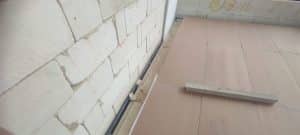
In short, screed is a layer of cementitious material applied over a concrete base slab to create a smooth, level surface. It acts as the final subfloor base for floor finishes such as tiles, microcement, vinyl, or engineered timber.
Depending on your construction project in Malta—be it a high-end villa, a modern apartment block, or a commercial retail space—different screed formulations are used, each offering unique benefits in terms of curing time, structural load, thermal performance, and application methods.
Here are 7 key insights into the most common types of screed used in Malta and how to choose the right one for your build.
1. Traditional Sand and Cement Screed – The Maltese Classic
Traditional sand and cement screed remains the most widely used subfloor option in Malta due to its long-proven track record and straightforward application.
-
Key Features: Formulated from a mix of sharp sand and ordinary Portland cement, typically laid at a depth of 50mm to 75mm and hand-troweled using straightedges.
-
Why It’s Popular in Malta: Favored in standard residential builds, garages, and traditional Maltese townhouses. It provides high compressive strength, making it ideal for heavy structural loads and general-purpose flooring.
-
Drying & Curing Time: Requires approximately 1 day per millimeter of depth under standard environmental conditions.
2. Liquid Screed (Self-Levelling Screed) – Modern and Efficient
Liquid screed (also known as flow screed) has gained massive popularity in Malta due to its rapid application rate and superior surface flatness.
-
Key Features: Machine-pumped directly on-site, liquid screed flows effortlessly to find its own level with minimal manual intervention.
-
Where It’s Used in Malta: Frequently specified in modern apartment blocks, office buildings, and developments incorporating underfloor heating. Because it flows tightly around underfloor heating pipework without leaving air gaps, it dramatically enhances thermal conductivity and heating efficiency.
-
Drying & Curing Time: Can accommodate light foot traffic within 24 to 48 hours, with full curing dependent on slab thickness and ambient humidity.
3. Fast-Drying Screed – For Accelerated Timelines
When project deadlines do not allow for extended curing periods before tiling or microcement application, fast-drying screeds offer a high-performance alternative.
-
Key Features: Formulated with specialized chemical binders and additives that accelerate water dissipation during curing.
-
Why It’s Useful in Malta: In turnkey construction and commercial fit-outs where tight schedules are paramount, fast-drying screed allows topcoats or tile layers to be installed within 3 to 7 days, keeping the build sequence moving smoothly.
4. Fibre-Reinforced Screed – Built for Heavy Loads
For floors subjected to heavy equipment, vehicular movement, or continuous commercial foot traffic, fibre-reinforced screed provides added structural integrity.
-
Key Features: Enhanced with synthetic polypropylene or glass fibres distributed evenly throughout the mix to reduce shrinkage cracking and improve flexural strength.
-
Where It’s Used in Malta: Widely specified in commercial showrooms, supermarkets, educational institutions, industrial warehouses, and domestic garages.
5. Polymer Screed – High Adhesion and Flexibility
Polymer screeds incorporate synthetic resin polymers into the cement binder, increasing bond strength, impact resistance, and water tightness.
-
Key Advantages: Superior adhesion to tricky or compromised substrates, excellent performance in thin-layer applications (15mm to 50mm), and enhanced water resistance.
-
Applications in Malta: Ideal for wet rooms, balconies, pool decks, and heritage building restorations featuring irregular subfloor slabs.
6. Lightweight Screed – Load Reduction for Upper Floors
When extending upper levels or renovating historic stone buildings, managing structural dead load on the existing floor slabs is critical.
-
Key Features: Replaces standard heavy aggregates with lightweight materials such as expanded clay, perlite, or recycled glass beads to reduce mass while maintaining stability.
-
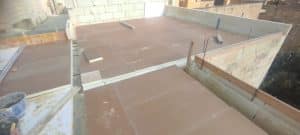
Use Cases in Malta: Commonly used in penthouse developments, roof terraces (kontrabejt), and restoration projects across traditional globigerina limestone structures.
7. Insulating Screeds – Thermal and Acoustic Performance
As energy efficiency and building performance standards rise in Malta, insulating screed systems provide a dual-purpose subfloor layer.
-
Key Features: Combines lightweight insulating aggregates or sub-screed acoustic membranes to reduce thermal loss and impact sound transmission between floors.
-
Applications: Ideal for eco-friendly residences, multi-unit residential blocks, and luxury villas designed for optimal indoor climate control and soundproofing.
Choosing the Right Screed Type for Your Project
Selecting the correct screed depends on your building type, substrate condition, heating setup, and target turnaround time:
| Project Requirement | Recommended Screed Type |
| Standard Residential Subfloor | Traditional Sand & Cement Screed |
| Underfloor Heating / Open-Plan Space | Liquid (Flowing) Screed |
| Fast-Track Turnkey Renovation | Fast-Drying Screed |
| Garage, Showroom, or High-Traffic Area | Fibre-Reinforced Screed |
| Balcony, Wet Room, or Thin Bonded Layer | Polymer-Modified Screed |
| Roof Terrace / Upper-Floor Restoration | Lightweight Screed |
The Role of Screed in Turnkey Construction
In turnkey construction projects across Malta—such as boutique hotels, luxury apartments, and commercial outlets—screed forms the foundational layer that ensures topcoat materials perform as intended. Skipping proper subfloor preparation or selecting the wrong mix can lead to tile cracking, hollow sounds, or uneven flooring surfaces later in the building’s lifecycle.
Partnering with technical specialists ensures that substrate preparation, moisture testing, and mix selection are properly managed from start to finish.
Final Thoughts
A well-laid screed is the silent hero of any successful flooring project. Whether you need the rapid self-levelling properties of a pumped liquid mix, the load reduction of a lightweight aggregate, or the rapid curing of a fast-drying formula, choosing the right screed guarantees a durable, level foundation for your home or commercial development.
📞 Contact Kibitec
Planning a build or flooring renovation in Malta?
Get in touch with our team to schedule a site inspection and receive tailored technical recommendations for your floor screeding requirements.