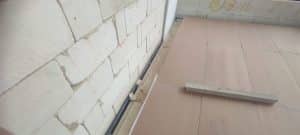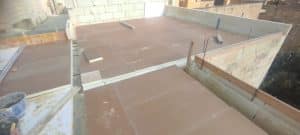

If you’re planning to install tiles in your Maltese home or commercial space, one essential step can make or break the final result: screed for tiled floors. You might not see it once the tiles are down, but the screed underneath is what determines how flat, durable, and moisture-resistant your floor will be.
So, is it really necessary? Yes—screed for tiled floors is not just important, it’s critical. Whether you’re renovating an old stone house in Mdina or tiling a sleek, modern apartment in Sliema, choosing the right screed type and applying it correctly can ensure your tiles stay flawless for years.
In this post, we’ll cover everything you need to know—from what screed is, to how it works under tile, to why it’s one of the smartest investments you can make during your next turnkey construction project.
1. What Is Screed for Tiled Floors—and Why Does It Matter? | Screed For Tiled Floors
Let’s start with the basics: screed is a cement-based material laid over a subfloor to create a smooth, level surface. It’s essential before installing flooring such as tiles, vinyl, microcement, or timber.
In Malta, where many homes have uneven stone or concrete substrates, screeding is the only way to achieve a flat and level base for tiles. It acts as both a leveling agent and a moisture buffer.
Why is screed for tiled floors especially important?
Because tiles don’t bend. If your substrate has bumps or slopes, your tiles will crack, pop off, or leave unsightly hollow sounds when stepped on.
Here’s what quality screed does under tiles:
Levels out uneven surfaces
Improves adhesion of tile adhesives
Minimises movement and cracking
Improves underfloor heating efficiency (if used)
Extends the life of your flooring
So whether you’re finishing a bathroom, open-plan kitchen, or penthouse terrace, laying screed for tiled floors is a foundational step—literally.
2. The Different Types of Screed for Tiled Floors in Malta | Screed For Tiled Floors
Choosing the right type of screed depends on where it’s going, how quickly you need it to dry, and what kind of tiles you’ll install. Below are the most common types of screed for tiled floors, along with pricing typical to Maltese projects.
A. Traditional Sand and Cement Screed
This is the most widely used option. It’s typically mixed at a 1:4 or 1:3 ratio (cement to sand) and laid at a thickness of 40–75mm.
Pros: Widely available, cost-effective, long-lasting
Cons: Slow drying (up to 75 days), prone to cracking without reinforcement
Average cost: €15–€20/m² (materials and labour)
B. Self-Leveling Screed (Flowing Screed)
This is ideal for surfaces that need to be extremely flat—like large, tiled commercial floors or homes with underfloor heating. It contains latex or polymer additives that improve flow and flexibility.
Pros: Perfectly level surface, fast application
Cons: More expensive, requires sealed substrate
Average cost: €25–€35/m²
C. Fast-Drying Screed
Need to tile quickly? Fast-drying screeds cure in 4–7 days instead of weeks. They are pre-mixed with additives that accelerate drying.
Pros: Ideal for urgent renovations or tight project timelines
Cons: Slightly more expensive
Average cost: €30–€40/m²
D. Polymer-Modified Screed
This option includes synthetic resins that reduce shrinkage, boost flexibility, and improve adhesion—perfect for balconies, wet rooms, or areas exposed to temperature changes.
Pros: Crack-resistant, waterproof, and super durable
Cons: Must be mixed and applied by pros
Average cost: €35–€45/m²
💡 Pro Tip: In Malta’s humid coastal environment, polymer-modified or fast-drying screeds offer superior protection against moisture problems, especially on balconies or bathrooms.
3. Common Problems Without Screed for Tiled Floors | Screed For Tiled Floors
Skipping screed might save you some cash up front—but it will cost you more later. Here’s what can go wrong when tiles are installed over an unprepared subfloor:
A. Uneven Tile Finish
Even a few millimetres of variance in floor level can cause tiles to look lopsided, or worse, feel unstable underfoot.
B. Cracked or Popped Tiles
Tiles installed over a subfloor that moves, cracks, or retains moisture can easily break or detach.
C. Poor Adhesion
Without a smooth and clean screed layer, tile adhesive can’t bond properly. Over time, this leads to hollow-sounding tiles or loose edges.
D. Water Damage
In areas like bathrooms and kitchens, moisture can seep into poorly prepared subfloors, causing efflorescence, mould, and damage to adhesive layers.
If you want your tiled floors to last, then screed isn’t optional—it’s essential.
4. Screed Thickness for Tiled Floors: What’s Ideal? | Screed For Tiled Floors
Many people ask: “How thick should screed be under tiles?” The answer depends on several factors, but here’s a general rule of thumb used by Maltese contractors:
| Type of Screed | Min Thickness | Ideal Use |
|---|---|---|
| Traditional | 50 mm | General floors |
| Self-Leveling | 3–10 mm | Topping existing screed |
| Fast-Drying | 35–50 mm | Renovations |
| Polymer-Modified | 20–50 mm | Balconies, wet zones |
Going too thin can compromise strength; going too thick extends drying time. If you’re laying underfloor heating, add at least 25 mm above the pipe or cable to ensure heat disperses evenly.
In commercial applications (restaurants, shops, etc.), you may want to reinforce screed with fibres or mesh for added impact resistance.
5. What to Expect During Screed Installation in Malta | Screed For Tiled Floors
If you’ve never gone through the screeding process, here’s a general breakdown of how it works for tiled floors:
Step 1: Subfloor Prep
The subfloor is cleaned, repaired, and sometimes primed. If necessary, a moisture barrier or insulation layer is added.
Step 2: Screed Mixing and Pouring
Depending on the type, screed is mixed on-site or delivered ready-made. It’s poured, spread, and compacted manually or by machine.
Step 3: Levelling
Using straightedges and laser levels, the screed is leveled to ensure perfect flatness across the room.
Step 4: Drying/Curing
This is the most critical stage. Depending on the screed used, drying can take anywhere from 3 to 75 days.
Step 5: Moisture Testing
Before tiling begins, professionals will test the screed to ensure moisture content is low enough (typically <2% CM for cement screeds).
Step 6: Tile Installation
Once approved, tiles can be laid over adhesive for a long-lasting finish.
Need Help With Screed for Tiled Floors in Malta?
Whether you’re finishing a bathroom renovation or working on a full turnkey construction project, Kibitec provides expert screed services tailored for tiled floors in the Maltese climate.
We offer:
Traditional, self-leveling, and fast-drying screeds
Polymer-modified solutions for wet zones and exteriors
Full prep, leveling, and installation
Moisture testing and project planning
👉 Contact us today to schedule a consultation or get a free quote:
https://kibitec.com/contact-us/
Check Out Our Screed Services
Want to explore your options? Learn more about the screed types, costs, and applications we offer for residential and commercial clients across Malta.
👉 Visit our screed service page:
https://kibitec.com/screed-malta/
6. How to Match Screed for Tiled Floors with the Right Tile Type | Screed For Tiled Floors
Not all tiles are created equal—and neither are screeds. Choosing the right combination ensures your floor performs well for years without cracks, lifting, or discoloration.
Here’s how screed for tiled floors should match different tile types commonly used in Malta:
Ceramic Tiles
Screed Recommendation: Standard sand and cement or fast-drying screed.
Why: Ceramic tiles are light and easy to bond. A well-leveled, clean screed is enough for successful adhesion.
Caution: Ensure the screed is dry to 2% CM or less before tiling to avoid adhesive failure.
Porcelain Tiles
Screed Recommendation: Polymer-modified screed or self-leveling screed.
Why: Porcelain is denser and heavier. It needs a perfectly level and high-bond screed base to prevent lifting.
Tip: Use a tile adhesive rated for porcelain with a screed that allows strong adhesion.
Natural Stone Tiles (Marble, Travertine, Limestone)
Screed Recommendation: Traditional screed with anti-moisture additives or a waterproof membrane.
Why: Natural stones are porous and can discolor or stain from moisture rising through the screed.
Tip: Apply a vapour barrier or waterproof membrane between the screed and tile.
Large Format Tiles
Screed Recommendation: Self-leveling or laser-leveled screed with minimal surface variation.
Why: Large tiles can crack if the substrate isn’t perfectly flat. A self-leveling screed ensures uniform contact.
Extra Advice: Screed must be checked for dips greater than 3mm over 2 meters.
💡 Pro Tip for Malta Homes: Because many Maltese buildings are built with limestone or stone subfloors, it’s especially important to level and insulate the substrate properly before applying any screed for tiled floors.
7. Is Screed Safe for Underfloor Heating in Malta? | Screed For Tiled Floors
Absolutely—and in fact, screed is the preferred choice when installing underfloor heating systems.
In Malta, where older buildings can get chilly in winter despite the sun, many homeowners are now turning to electric or hydronic underfloor heating systems. Here’s how screed works with them:
How It Works
Pipes or heating cables are laid on the prepared subfloor.
Screed is poured over, encapsulating the system.
The screed then acts as a heat conductor, spreading warmth evenly across the surface.
Recommended Screed Types for Underfloor Heating:
Fast-drying screed: Reduces downtime before tiling.
Self-leveling screed: Ensures even heat distribution.
Polymer-modified screed: Adds flexibility to accommodate thermal expansion.
Screed Thickness for Heated Floors:
Minimum 65mm for traditional screed.
45–55mm for flowing or anhydrite screeds (common in commercial settings).
Add a 10–25mm layer above the heating element for proper coverage.
💰 Estimated Costs in Malta: Installing screed over underfloor heating can cost €35–€55/m², depending on screed type and system complexity.
8. Waterproofing Options for Tiled Areas in Malta | Screed For Tiled Floors
Moisture is a major factor in Maltese homes—especially near the coast or in rooms like bathrooms, kitchens, and balconies. That’s why screed for tiled floors must be paired with proper waterproofing, particularly in wet zones.
Here are the best waterproofing strategies:
A. Screed with Waterproof Additives
These include crystalline, silicate, or polymer-based admixtures that reduce porosity and block capillaries.
Ideal for: Bathrooms, kitchens, laundry rooms
Price: €5–€10/m² extra
B. Waterproof Membranes Over Screed
Flexible or rigid membranes can be installed on top of cured screed before tiles are laid.
Ideal for: Showers, roof decks, and balconies
Liquid or roll-on membranes available
Price: €15–€25/m²
C. Fully Waterproof Screed Systems
These are factory-prepared and include a mix of polymers, resins, and quick-drying cement.
Ideal for: Time-sensitive and high-risk moisture areas
Price: €30–€45/m²
Remember: Tiles themselves are water-resistant, not waterproof. If water gets under them and into the screed, mold, lifting, or staining will occur.
For top-tier protection in Malta’s humid climate, combine a waterproof screed with a sealed grout and adhesive system.
9. Budgeting Tips: How to Plan Screed for Tiled Floors in Malta | Screed For Tiled Floors
Every project is different, but budgeting is key. Here’s how to plan your screed investment wisely:
Step 1: Measure Accurately
Measure each space’s length × width in meters.
Multiply to get total m².
Add 10% for waste and cuts.
Step 2: Choose Screed Type
| Screed Type | Approx. Price (€/m²) | Drying Time |
|---|---|---|
| Traditional | €15–€20 | 28–75 days |
| Self-Leveling | €25–€35 | 3–7 days |
| Fast-Drying | €30–€40 | 4–7 days |
| Polymer-Modified | €35–€45 | 7–10 days |
| Waterproof Membrane Add-On | +€15–€25 | N/A |
Step 3: Add Labour & Materials
Labour can make up 40–60% of the total cost, especially in hard-to-access sites like Valletta or Mdina.
💡 Don’t forget to include prep work (e.g., insulation, leveling), tile adhesives, waterproofing products, and moisture testing.
Step 4: Use Professionals for Best Value
Cutting corners on screed may save you money now but cost you hundreds or thousands later in tile repairs or replacements.
Want a custom estimate?
👉 Request a quote from Kibitec today
10. Common Mistakes to Avoid with Screed for Tiled Floors | Screed For Tiled Floors
Before wrapping up, here are a few costly mistakes we see often in Malta that you should steer clear of:
❌ Tiling Too Soon
Never tile on a screed that hasn’t dried completely. Even “fast-drying” products need testing before proceeding.
❌ Skipping Moisture Testing
Use a carbide moisture test before applying tiles. If the screed is still damp, the adhesive will fail.
❌ Using the Wrong Screed Type
For large tiles or underfloor heating, traditional screed alone isn’t enough. Match your screed to your tile system.
❌ DIY Screed in Big Areas
Unless you’re experienced with tools like laser levels and know how to batch-mix, it’s easy to make costly errors in thickness and flatness.
Final Thoughts: Screed Is the Unsung Hero of Tiled Floors | Screed For Tiled Floors
We often focus so much on choosing the right tiles that we forget what’s underneath them. But as we’ve seen, screed for tiled floors is what makes beautiful tiling possible.
It ensures the surface is flat, secure, durable, and protected from moisture—all critical in Malta’s climate.
To recap, here’s why screed is essential:
Guarantees flatness for flawless tile installation
Supports tiles against cracking or lifting
Can be customized for fast-drying, waterproofing, or heating
Suits all tile types—from ceramic to natural stone
Adds long-term value to your property
✅ Contact Us for Screed in Malta
Need help with screed for tiled floors in your home, office, or development?
Our team at Kibitec offers expert screed solutions tailored for the Maltese environment—plus tile-ready prep, underfloor heating integration, and waterproofing support.
👉 Request your free quote or consultation today:
https://kibitec.com/contact-us/
✅ Check Out Our Screed Services
We offer everything from traditional sand and cement screed to fast-drying and polymer-enhanced options—perfect for residential and commercial builds alike.
👉 See all our screed offerings here:
https://kibitec.com/screed-malta/
🔗 Bonus Read
Curious how screed fits into large renovation projects? Learn how it plays a key role in turnkey construction—from the ground up.