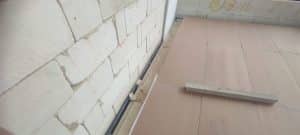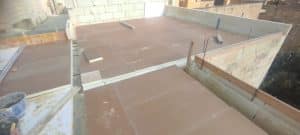

When planning a flooring project—whether for a new build or a renovation—choosing the right screed makes a big difference in performance, cost, and durability. One of the most common questions clients ask us is: what’s the difference between cement vs sand screed? It’s a valid question, especially in Malta where the climate, building regulations, and lifestyle all affect your choices.
In this post, we’ll break it down clearly so you can make the best choice for your space, whether you’re tiling, installing underfloor heating, or preparing a base for a polished concrete finish. We’ll also cover typical use cases, pricing in euros, and when to choose each type of screed.
Let’s get into the nitty-gritty of cement vs sand screed, without the jargon—just real advice, backed by years of experience on Maltese construction sites.
What Is Screed and Why Does It Matter? | Cement Vs Sand Screed
Before comparing cement vs sand screed, let’s clear up what screed actually is.
Screed is a layer of material—typically a mixture of cement and fine aggregates—laid over a concrete subfloor to provide a level surface for final floor finishes such as tiles, wood, or microcement. It can also be used to embed underfloor heating systems or to improve thermal or acoustic insulation.
While it might seem like a minor component in a larger building project, screed plays a critical role in the longevity and stability of your floor.
In turnkey construction projects (https://en.wikipedia.org/wiki/Screed), screeding is one of the final structural steps before interior finishes, meaning it needs to be done properly for everything else to go smoothly.
Cement vs Sand Screed: What’s the Real Difference? | Cement Vs Sand Screed
Let’s now explore the keyword directly: cement vs sand screed. Though they sound similar, they serve slightly different purposes and vary in strength, drying time, finish, and cost.
Here’s how they compare:
1. Composition and Mix Ratios | Cement Vs Sand Screed
Cement screed—also called traditional screed—is typically a blend of cement and sharp sand, with a mix ratio of about 1 part cement to 3–5 parts sand. Water is added until the desired workability is achieved.
Sand screed, on the other hand, is usually a reference to dry-mix screed that contains a higher proportion of fine sand to cement. It’s often used for semi-dry or dry installation methods. Sometimes, additives or fibres are included to enhance strength and reduce shrinkage.
Verdict: Cement screed is denser and stronger. Sand screed is more workable and easier to spread over large areas.
2. Strength and Durability | Cement Vs Sand Screed
When it comes to compressive strength, cement screeds outperform sand screeds. Cement screeds can achieve strengths of 25 to 40 N/mm², making them ideal for heavy foot traffic, commercial applications, and industrial spaces.
Sand screeds, particularly those with higher sand ratios, are generally softer and more prone to cracking under load unless reinforced.
Verdict: For long-term durability—especially in high-traffic areas like commercial kitchens or showrooms—cement screed wins.
3. Drying Time and Workability | Cement Vs Sand Screed
In Malta’s hot and humid climate, drying time can affect your project schedule. Cement screeds typically take 3–4 weeks to fully cure before applying tiles or floor finishes, though this depends on thickness and ambient humidity.
Sand screed, with its lighter texture, tends to dry more evenly, especially in thinner layers. However, because of its higher sand content, it may retain moisture if laid too thick.
Verdict: If you’re on a tight timeline and using thin layers, sand screed might dry faster. But always consult a professional for moisture testing before installing tiles.
4. Application and Finish Quality | Cement Vs Sand Screed
Applying cement vs sand screed also differs in terms of tools and expertise.
Cement screed is usually applied manually using a straight edge and trowel. It demands experience, especially to avoid trowel marks or dips that could affect tiling later.
Sand screed is generally easier to work with, especially when applied using mechanical pumps. It provides a smoother finish that can be ideal for direct applications under tiles or microcement.
Verdict: If you want a smoother finish with fewer chances of imperfections, sand screed may be the better option—but only when the strength requirement is low to moderate.
5. Cost Comparison in Malta | Cement Vs Sand Screed
Now let’s talk numbers. In Malta, construction costs vary based on labour, material availability, and site conditions. Here’s a typical breakdown:
| Type of Screed | Price per m² (materials + labour) |
|---|---|
| Cement Screed | €18–€26 |
| Sand Screed | €15–€22 |
Prices vary depending on thickness, whether any additives (like quick-drying agents or fibres) are included, and if insulation is required underneath.
Verdict: Sand screed is more budget-friendly for residential or light-use areas, while cement screed provides better value for long-term strength.
Ideal Use Cases: Which Screed Should You Choose? | Cement Vs Sand Screed
Let’s zoom in on practical examples, especially relevant for Maltese homeowners and contractors.
✅ Use Cement Screed If:
You’re installing underfloor heating systems—cement conducts heat better and maintains structural integrity.
The area will receive heavy foot traffic—like lobbies, hallways, or commercial spaces.
You want a solid base for tiles, microcement, resin, or hardwood.
You’re renovating older homes in Malta’s historic zones, where added structural strength is necessary.
✅ Use Sand Screed If:
You’re tiling a light-use interior space like a bedroom or home office.
You need a thin layer to level out a surface.
Your budget is limited, and you’re okay with less compressive strength.
You want a faster installation with mechanical tools.
Common Mistakes to Avoid When Choosing Screed | Cement Vs Sand Screed
Let’s save you some trouble down the line. Here are common errors to avoid when debating cement vs sand screed:
❌ Skipping Surface Prep
No screed—no matter how good—will adhere properly if the subfloor isn’t clean, primed, and stable.
❌ Misjudging Thickness
Cement screed should generally be laid at 50mm or thicker for strength. Going too thin can lead to cracks.
❌ Ignoring Moisture Levels
Especially in Malta’s coastal areas, high humidity can slow down drying. Always test moisture before tiling.
❌ DIY Installations Without Experience
Screeding might look simple, but getting a level surface with correct drying and bonding requires skill and specialised tools.
For best results, we recommend working with professionals. If you’re planning a project, contact us at Kibitec—we’re happy to assess your site and suggest the right screed solution for your needs.
Malta-Specific Screeding Considerations | Cement Vs Sand Screed
Why is all this extra important in Malta? Great question.
High humidity means you need to be extra careful with drying times and moisture testing.
Heritage buildings in Valletta, Mdina, or the Three Cities often have uneven subfloors that require custom screed mixes.
Rising temperatures in summer can accelerate setting—great for productivity, but risky if you’re not quick enough on application.
We’ve worked on screed projects across Malta—from brand-new Sliema apartments to rustic Gozo farmhouses—so we know how to adapt mixtures, timing, and tools to the local environment.
Where to Buy or Get Screeding Done in Malta | Cement Vs Sand Screed
If you’re now leaning toward one option in the cement vs sand screed debate, don’t worry—we can help.
At Kibitec, we supply high-quality screed materials and provide professional screed installation services across Malta. Our team uses the latest equipment and proven techniques to guarantee a flawless finish.
You can contact us directly to request a quote or schedule a site visit.
Performance in Real Environments: Malta’s Unique Climate | Cement Vs Sand Screed
When comparing cement vs sand screed, understanding how each type performs in Malta’s specific conditions is essential. With our hot, dry summers and mild, damp winters, flooring materials must strike a balance between strength, moisture tolerance, and longevity.
Sand Screed in Malta
Sand screeds, made by mixing sand and cement in a 4:1 to 5:1 ratio, are known for being more economical and easier to apply. However, they are prone to:
Cracking if not properly cured in high heat
Absorbing moisture, which can lead to mold under tiles
Requiring longer drying times, especially during humid months
This makes them less ideal for fast-track projects or humid indoor areas like bathrooms or basements unless additional sealers or additives are used.
Cement Screed in Malta
Cement-rich screeds or modified polymer cement screeds fare better in Malta’s variable humidity. These mixes offer:
Faster drying and curing times
Greater resistance to cracking from temperature changes
Improved water resistance with appropriate additives
This makes cement screeds the preferred option for modern renovations, especially in turnkey construction projects (source) where time and durability are paramount.
Which Is Cheaper: Cement or Sand Screed? | Cement Vs Sand Screed
One of the most common concerns when deciding between cement vs sand screed is cost. Let’s break it down clearly.
Cost of Sand Screed
Sand screed is generally cheaper per square metre. You’re looking at an average price range of:
€10 to €15/m² for material and basic labour
However, you’ll need to factor in:
Longer drying time, meaning delays in tiling or finishing
Additional sealers or waterproofing layers if used in humid areas
Potential remedial work if cracks develop over time
Cost of Cement Screed
Cement screed is more expensive upfront, typically ranging from:
€15 to €25/m² depending on thickness and reinforcement
While it might sound like more, it usually results in fewer complications down the road. It’s more stable, easier to tile on, and often eliminates the need for separate moisture barriers.
If you’re looking to strike a balance between performance and cost, polymer-modified cement screeds provide mid-range pricing and excellent long-term value.
➡️ Need help choosing the right screed for your renovation or new build in Malta? Contact our specialists at Kibitec for expert advice and a free quote.
Which Screed Is Best for Tiled Floors? | Cement Vs Sand Screed
The million-euro question! In a tiled floor system, the screed acts as the foundation for everything above it, so getting it right is critical.
Adhesion
Cement screed provides better adhesion for tile adhesives due to its density and surface hardness. This reduces the risk of tile delamination—a common issue with sand screeds if they crumble or shift.
Surface Smoothness
For large-format tiles, marble, or porcelain tiles, cement screeds can be laser-leveled to a near-perfect surface, which reduces:
Tile lippage (height difference between tile edges)
Adhesive consumption
Installation errors
Underfloor Heating Compatibility
If you’re incorporating underfloor heating—a growing trend in Malta’s luxury homes—cement screeds are far superior. They have better thermal conductivity and bond more reliably with the heating cables or pipes.
Sustainability and Environmental Impact | Cement Vs Sand Screed
Eco-conscious building is increasingly important in Malta. When comparing cement vs sand screed, which is more sustainable?
Cement Screed
Cement production has a higher carbon footprint due to the energy used in clinker production. However:
Many modern cement screeds now incorporate fly ash or ground granulated blast-furnace slag (GGBS), reducing the CO₂ impact
Their longer lifespan means fewer repairs and replacements, ultimately reducing material consumption
Sand Screed
Sand screeds consume less cement, but:
Use a significant volume of natural river sand, contributing to sand mining
Tend to crack and need more frequent maintenance or full replacement, which offsets the initial savings
If sustainability matters to you, opt for eco-friendly cement screeds made with recycled materials and consider low-VOC (volatile organic compounds) additives.
The Verdict: Which One Should You Choose? | Cement Vs Sand Screed
Here’s a quick recap to guide your decision on cement vs sand screed:
| Factor | Cement Screed | Sand Screed |
|---|---|---|
| Cost | €15–€25/m² | €10–€15/m² |
| Drying Time | Faster (3–7 days) | Slower (7–28 days) |
| Moisture Resistance | High with additives | Low |
| Durability | High | Medium |
| Ideal For | Wet rooms, underfloor heating, fast projects | Dry areas, low-budget builds |
Final Word:
If your project demands durability, moisture resistance, and a fast finish, cement screed is the way to go.
If you’re handling a dry indoor space on a tight budget, sand screed may still serve you well—but consider reinforcement and sealing.
And remember, you don’t have to make this decision alone.
💬 Contact Us for Expert Screeding in Malta | Cement Vs Sand Screed
Kibitec offers premium screed installation across Malta, from residential flats to luxury villas. Whether you’re tackling a bathroom renovation or need a full screed layer in a new build, our experienced team ensures precision, durability, and speed.
👉 Get a quote today or speak to a project expert who can advise you on the best screed mix for your needs.
🛠️ Check Out Our Screeding Services in Malta | Cement Vs Sand Screed
We use advanced techniques and the latest screeding products to guarantee the ideal surface for tiling, wood flooring, microcement, or resin coatings.
Explore our service in detail here 👉 Kibitec Screed Malta