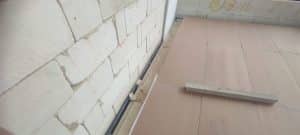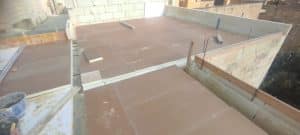

When it comes to tough, long-lasting flooring for commercial and industrial spaces, few solutions come close to the durability and versatility of industrial screed flooring Malta has to offer. Whether you’re managing a warehouse in Marsa, a retail space in Valletta, or a logistics hub in Ħal Far, industrial screed provides the robust underfoot surface you need to support heavy-duty operations in Malta’s humid, salt-heavy air.
In this article, we’ll answer your key question directly, explore what makes industrial screed ideal for the Maltese climate, compare different types, and even touch on local pricing and application techniques. Let’s dive into the powerful reasons why industrial screed is dominating Malta’s commercial flooring scene.
What Is Industrial Screed Flooring Malta Clients Rely On?
Industrial screed flooring in Malta refers to a cementitious material applied as a sub-floor or final finish in commercial and industrial buildings. It is typically composed of cement, aggregates, and additives to increase strength, reduce shrinkage, and enhance bonding.
Unlike traditional domestic screeds, industrial screeds are designed to withstand:
Heavy traffic from forklifts or pallets
Abrasion and chemical exposure
Moisture from cleaning and the Mediterranean climate
High loads over large floor areas
There are several types commonly used in Malta:
Traditional sand and cement screed (strong, but may require reinforcement)
Polymer-modified screeds (enhanced flexibility and adhesion)
Fibre-reinforced screeds (added tensile strength)
Fast-drying screeds (ideal for quicker project timelines)
Each variant of industrial screed flooring Malta construction professionals use has distinct advantages depending on your project’s needs.
Why Industrial Screed Flooring Works So Well in Malta
Malta presents unique construction challenges due to its coastal climate, limestone-based soil, and increasing commercial infrastructure. Here’s why industrial screed flooring Malta contractors recommend has become such a popular solution:
Salt-Air Resistance: Malta’s salty air can cause corrosion in subpar flooring systems. Industrial screeds offer protective finishes that prevent deterioration over time.
Load-Bearing Strength: Industrial screeds can handle the extreme weights often present in warehouses or manufacturing plants.
Moisture Tolerance: With the high humidity levels in Malta, especially near coastal areas, screed must resist water ingress. Modified or resin-bonded options excel here.
Thermal Stability: Malta’s summer heat can cause expansion in some flooring systems. Industrial screed is stable and expands minimally, reducing cracks.
Even Surface for Finishes: It provides a level base for epoxy, tiles, microcement, or polished concrete—a must for professional settings.
If your facility needs flooring that won’t buckle under pressure, screed is a smart investment.
Common Applications of Industrial Screed in Malta
The flexibility of industrial screed flooring in Malta makes it useful in several sectors. You’ll find it in:
Logistics centres: For smooth forklift movement.
Retail outlets: Durable yet sleek underfoot surface.
Airports & transport hubs: Crack-free, fast-curing options reduce downtime.
Pharmaceutical & food production: Where hygiene, anti-dust, and chemical resistance matter.
Underground car parks: With waterproof and anti-slip additives.
Even in high-end developments or turnkey construction projects (read more), industrial screeds form the backbone of long-lasting, visually appealing floors.
Cost of Industrial Screed Flooring in Malta
Prices for industrial screed flooring Malta suppliers offer will vary depending on materials, thickness, reinforcement, and area size. As a general guide:
Traditional screed: Starts around €14–€18 per m²
Fibre-reinforced screed: €20–€26 per m²
Polymer-modified screed: €22–€30 per m²
Fast-drying or self-levelling options: From €28–€35 per m²
Add in labour, curing time, surface prep, and finishing, and your full screed flooring system may range between €35–€60 per m² depending on scale.
To get an exact quote tailored to your project, you can contact us directly.
Need Help Choosing? Here’s What to Consider:
When selecting industrial screed flooring Malta clients can rely on, take these into account:
Environment: Is your space exposed to chemicals or water? Then polymer or resin screed is ideal.
Load pressure: Warehouses may require fibre-reinforced options.
Drying time: If you’re working on a tight schedule, opt for fast-curing screeds.
Budget: Traditional screeds are more affordable, but may need more upkeep.
Still unsure? No problem—check out our full screed service here, or speak with our expert team for a tailored solution.
When it comes to tough, long-lasting flooring for commercial and industrial spaces, few solutions come close to the durability and versatility of industrial screed flooring Malta has to offer. Whether you’re managing a warehouse in Marsa, a retail space in Valletta, or a logistics hub in Ħal Far, industrial screed provides the robust underfoot surface you need to support heavy-duty operations in Malta’s humid, salt-heavy air.
In this article, we’ll answer your key question directly, explore what makes industrial screed ideal for the Maltese climate, compare different types, and even touch on local pricing and application techniques. Let’s dive into the powerful reasons why industrial screed is dominating Malta’s commercial flooring scene.
What Is Industrial Screed Flooring Malta Clients Rely On?
Industrial screed flooring in Malta refers to a cementitious material applied as a sub-floor or final finish in commercial and industrial buildings. It is typically composed of cement, aggregates, and additives to increase strength, reduce shrinkage, and enhance bonding.
Unlike traditional domestic screeds, industrial screeds are designed to withstand:
Heavy traffic from forklifts or pallets
Abrasion and chemical exposure
Moisture from cleaning and the Mediterranean climate
High loads over large floor areas
There are several types commonly used in Malta:
Traditional sand and cement screed (strong, but may require reinforcement)
Polymer-modified screeds (enhanced flexibility and adhesion)
Fibre-reinforced screeds (added tensile strength)
Fast-drying screeds (ideal for quicker project timelines)
Each variant of industrial screed flooring Malta construction professionals use has distinct advantages depending on your project’s needs.
Why Industrial Screed Flooring Works So Well in Malta
Malta presents unique construction challenges due to its coastal climate, limestone-based soil, and increasing commercial infrastructure. Here’s why industrial screed flooring Malta contractors recommend has become such a popular solution:
Salt-Air Resistance: Malta’s salty air can cause corrosion in subpar flooring systems. Industrial screeds offer protective finishes that prevent deterioration over time.
Load-Bearing Strength: Industrial screeds can handle the extreme weights often present in warehouses or manufacturing plants.
Moisture Tolerance: With the high humidity levels in Malta, especially near coastal areas, screed must resist water ingress. Modified or resin-bonded options excel here.
Thermal Stability: Malta’s summer heat can cause expansion in some flooring systems. Industrial screed is stable and expands minimally, reducing cracks.
Even Surface for Finishes: It provides a level base for epoxy, tiles, microcement, or polished concrete—a must for professional settings.
If your facility needs flooring that won’t buckle under pressure, screed is a smart investment.
Common Applications of Industrial Screed in Malta
The flexibility of industrial screed flooring in Malta makes it useful in several sectors. You’ll find it in:
Logistics centres: For smooth forklift movement.
Retail outlets: Durable yet sleek underfoot surface.
Airports & transport hubs: Crack-free, fast-curing options reduce downtime.
Pharmaceutical & food production: Where hygiene, anti-dust, and chemical resistance matter.
Underground car parks: With waterproof and anti-slip additives.
Even in high-end developments or turnkey construction projects (read more), industrial screeds form the backbone of long-lasting, visually appealing floors.
Cost of Industrial Screed Flooring in Malta
Prices for industrial screed flooring Malta suppliers offer will vary depending on materials, thickness, reinforcement, and area size. As a general guide:
Traditional screed: Starts around €14–€18 per m²
Fibre-reinforced screed: €20–€26 per m²
Polymer-modified screed: €22–€30 per m²
Fast-drying or self-levelling options: From €28–€35 per m²
Add in labour, curing time, surface prep, and finishing, and your full screed flooring system may range between €35–€60 per m² depending on scale.
To get an exact quote tailored to your project, you can contact us directly.
Need Help Choosing? Here’s What to Consider:
When selecting industrial screed flooring Malta clients can rely on, take these into account:
Environment: Is your space exposed to chemicals or water? Then polymer or resin screed is ideal.
Load pressure: Warehouses may require fibre-reinforced options.
Drying time: If you’re working on a tight schedule, opt for fast-curing screeds.
Budget: Traditional screeds are more affordable, but may need more upkeep.
Still unsure? No problem—check out our full screed service here, or speak with our expert team for a tailored solution.
Installation Process & Timeline in Malta
One of the reasons industrial screed flooring Malta contractors favour this solution is due to its relatively fast and efficient installation process.
Key Stages of Screed Installation:
Surface Preparation: Cleaning, levelling, and priming the base substrate.
Mixing the Screed: On-site or pre-mixed delivery depending on scale.
Application: Pumped or poured depending on the type, spread manually or by machine.
Leveling: Laser levels or hand tools ensure surface accuracy.
Curing: Time depends on the screed type—can be 24 hours to 7 days.
Finishing: Can include sealing, polishing, or overlaying with final floor systems.
Typical Timeframes:
Traditional screed: 4–7 days to dry per cm of thickness
Fast-drying screed: Usable in 24–72 hours
Always factor in Malta’s humidity, as it can slightly affect drying times, especially in enclosed or underground spaces.
Aftercare: Keeping Your Screed in Top Condition
To maintain your industrial screed flooring in Malta, regular care is straightforward but essential:
Initial cleaning should avoid harsh chemicals for the first 7 days.
Routine maintenance: Sweep and mop frequently to prevent dust accumulation.
Periodic inspection: Check for cracks or delamination—especially in high-use areas.
Sealing: Consider resealing every 3–5 years if your screed is exposed or polished.
Proper aftercare ensures your screed floor lasts 10–25 years, depending on traffic levels and exposure.
Avoiding Cracks and Failures: Pro Tips
No screed floor is completely immune to cracking, but the risk is greatly reduced by following best practices:
Use control joints in large areas to allow for expansion.
Avoid fast surface drying by protecting from direct sun.
Ensure proper curing time before applying finishes.
Always work with certified Malta-based screed professionals who understand local conditions.
If in doubt, a fibre-reinforced or polymer-modified screed will significantly reduce crack risk.
Final Thoughts: Is Industrial Screed Right for You?
Whether you’re flooring a production facility, underground garage, or retail space, the industrial screed flooring Malta offers is a cost-effective, durable, and highly adaptable solution.
From outstanding compressive strength to coastal resilience, screed meets Malta’s construction challenges head-on.
Ready to level up your flooring project?
👉 Get a free quote or consultation here