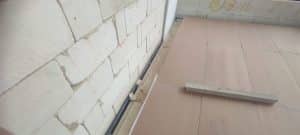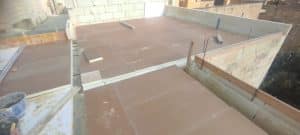

When it comes to installing radiant floor heating, one of the most common questions we hear is: how thick is an underfloor heating sheet? It might seem like a small detail, but the thickness of your heating sheet can significantly impact everything from floor level height to energy efficiency and even comfort.
In this article, we’ll break down exactly how thick is an underfloor heating sheet, explore the implications of different thicknesses, and help you decide which option is best for your property in Malta—whether it’s a new build or a renovation project.
And yes, you can buy our premium underfloor heating sheets or get full professional installation by contacting us here.
1. What Is an Underfloor Heating Sheet?| How Thick Is an Underfloor Heating Sheet
Before we go into the question how thick is an underfloor heating sheet, let’s take a step back. What exactly is it?
An underfloor heating sheet is a flexible, pre-configured electric mat that contains heating elements distributed evenly across its surface. It’s designed to be laid underneath floor finishes such as tiles, laminate, or engineered wood. These sheets are part of electric underfloor heating systems, which are popular for their ease of installation and rapid heating performance. (Here’s more on what underfloor heating is via Wikipedia.)
Depending on the model and application, heating sheets come in different widths, lengths, and—yes—thicknesses.
2. So, How Thick Is an Underfloor Heating Sheet?| How Thick Is an Underfloor Heating Sheet
The million-euro question: how thick is an underfloor heating sheet?
In most standard installations across Malta and Europe, the typical thickness of an underfloor heating sheet ranges from 2 mm to 6 mm. But let’s break this down further:
| Type | Thickness | Use Case |
|---|---|---|
| Ultra-thin | 2 – 3 mm | Ideal for renovation projects where floor height must be preserved |
| Standard | 3.5 – 4.5 mm | Most common in residential applications |
| Heavy-duty | 5 – 6 mm | Suitable for commercial areas or rooms with high foot traffic |
If you’re installing it underneath ceramic or porcelain tiles, you may prefer the standard 3.5–4.5 mm thickness, which balances heat output and minimal floor buildup. For engineered wood or vinyl flooring, thinner sheets (2–3 mm) are typically used to avoid lifting the floor too high or interfering with door clearances.
Kibitec’s underfloor heating sheets fall within this optimal thickness range, engineered specifically for the climate and flooring types common in Maltese homes. Feel free to contact us for a recommendation tailored to your space.
3. Why Sheet Thickness Matters More Than You Think| How Thick Is an Underfloor Heating Sheet
Now that you know how thick is an underfloor heating sheet, let’s explore why that detail matters so much:
✔️ Impact on Floor Height
Especially in Malta, where many homes are stone-built and may not have much flexibility with ceiling height, even a few millimeters can make a big difference. Thicker systems require more levelling compound, which can raise the floor more than expected.
✔️ Heating Efficiency
Contrary to popular belief, thicker doesn’t always mean better. Ultra-thin heating sheets often heat faster and more evenly because they sit closer to the surface. That means less energy is used to warm the floor above.
✔️ Compatibility with Flooring Types
Certain floor types—like luxury vinyl tiles (LVTs) or engineered wood—require heating elements that won’t exceed a particular temperature. A thinner underfloor heating sheet allows better control of the heat output.
✔️ Installation Time and Cost
Thinner sheets are generally faster to install, and require less adhesive or levelling compound. That translates into savings—both on material and labour. In Malta, where tradespeople often charge per hour, shaving installation time can result in significant euro savings.
4. Comparing Heating Sheets by Thickness: A Real-World Scenario| How Thick Is an Underfloor Heating Sheet
Let’s consider two typical cases of homeowners in Malta:
Case 1: A Renovation in Valletta
Sophie is renovating her 120-year-old townhouse. The ceiling height is low, and the floors are uneven. She chooses a 2.5 mm underfloor heating sheet, which adds minimal build-up to her new ceramic tile floors. With just 1.5 mm of levelling compound and tile adhesive on top, the total floor rise is under 7 mm. This allowed her to retain original doors and trims without adjustment.
Case 2: A New Build in Gozo
Mark is building a new villa in Gozo with an open-plan layout. Since he’s pouring a new screed, he opts for a 4.5 mm heating sheet under polished concrete flooring. The extra thickness gives him a bit more heat power, which is ideal for heating the large space efficiently during the cooler months.
In both cases, choosing the right thickness of heating sheet created better results, greater comfort, and improved energy performance—all for less than €75 per square meter installed.
5. Common Myths About Underfloor Heating Sheet Thickness| How Thick Is an Underfloor Heating Sheet
Let’s bust a few myths to clarify what really matters:
❌ “Thicker means more powerful.”
Not necessarily. Heating performance depends more on watt density (watts per square meter) than just sheet thickness.
❌ “Thin sheets break more easily.”
Today’s modern ultra-thin sheets are reinforced with fibreglass mesh and waterproof materials, making them incredibly durable.
❌ “You can’t use thick sheets under wooden floors.”
You absolutely can—as long as the heat output is controlled and the wood type is compatible. Again, this is where expert guidance can save costly mistakes.
6. Choosing the Right Thickness for Malta’s Climate| How Thick Is an Underfloor Heating Sheet
In Malta, we deal with short, humid winters and long, dry summers, which means underfloor heating is more about comfort than extreme heat output.
Most homeowners in Malta benefit from:
Thin sheets (2–3 mm) in bedrooms and bathrooms where rapid heating is desirable
Standard sheets (3.5–4.5 mm) in open spaces and kitchens
Thicker options (5–6 mm) only in specific commercial or industrial scenarios
Also, because most homes use ceramic, porcelain, or natural stone floors, heat transfer is excellent even with thin sheets—making them the ideal option for most properties.
👷 Want to know exactly which thickness is best for your flooring?
Our team can help! Contact us for personalised advice or to request an on-site evaluation in Malta.
7. Installation Tips: What to Know Based on Thickness| How Thick Is an Underfloor Heating Sheet
Once you’ve chosen your underfloor heating sheet, understanding how its thickness affects installation is critical. Whether you’re hiring a professional or going DIY, here are some important guidelines:
✅ Surface Preparation
Regardless of thickness, a flat and clean subfloor is non-negotiable. But with ultra-thin sheets, any unevenness in the surface becomes more noticeable under flooring—especially tiles. That’s why professionals in Malta often use self-levelling compounds before laying heating sheets that are 2–3 mm thick.
✅ Adhesive Depth
The thicker the heating sheet, the more adhesive or compound you’ll need. For example:
2 mm sheets: Require about 2–3 mm of adhesive or levelling compound
4.5 mm sheets: May need closer to 5–6 mm coverage above the mat
Failing to account for this could lead to uneven flooring or even poor heat distribution.
✅ Temperature Sensors
Most modern electric underfloor heating sheets—regardless of thickness—use floor temperature sensors. But if the mat is thicker, sensors must be installed deeper, which can slightly reduce reaction time. Always follow the manufacturer’s recommendations for sensor placement.
8. Maintenance & Durability: Does Thickness Affect Longevity?| How Thick Is an Underfloor Heating Sheet
A lot of people ask if thicker underfloor heating sheets last longer than thinner ones. The short answer? Not necessarily.
Most electric underfloor heating sheets, regardless of thickness, have a lifespan of 20–30 years when installed correctly. However, their durability depends on:
Quality of materials
Installation quality
Floor type and daily use
Thinner Sheets (2–3 mm)
✅ Highly flexible and crack-resistant
✅ Less intrusive in retrofit projects
❌ Slightly more vulnerable to damage during installation if not handled with care
Thicker Sheets (4.5–6 mm)
✅ Better suited for high-traffic commercial areas
✅ Extra reinforcement may protect against pressure from heavy furniture
❌ Require more adhesive and installation time
At Kibitec, we only supply heating sheets that meet EU safety and durability standards, with warranties ranging from 10 to 20 years. Reach out for details on available product lines in Malta.
9. How Does Thickness Affect Energy Use?| How Thick Is an Underfloor Heating Sheet
When we talk about how thick is an underfloor heating sheet, we must also talk about energy performance.
Contrary to what you might think, thicker heating sheets don’t always use more energy, but they take longer to heat up and cool down slower. That’s because they’re generally installed deeper below the finished floor level.
➤ Energy-Efficient Heating Setup
For homes in Malta, where quick and efficient warmth is often more valuable than all-day heating, thinner sheets (2.5–3.5 mm) tend to be the sweet spot. They:
Heat up faster (in 15–30 minutes)
Deliver warmth closer to the surface
Are ideal for zone heating (i.e., heating only the rooms you need)
Pairing thin heating sheets with a programmable thermostat can save up to 25–30% in electricity usage, especially in bedrooms, bathrooms, and kitchen areas.
10. Cost Breakdown Based on Sheet Thickness| How Thick Is an Underfloor Heating Sheet
Let’s be real—budget matters. So how much will different heating sheet thicknesses set you back?
Here’s a price guide (in euros) based on real-world installations in Malta:
| Thickness | Material Cost (€/m²) | Installed Cost (€/m²) | Best For |
|---|---|---|---|
| 2–3 mm | €45 – €55 | €65 – €75 | Renovations, bathrooms |
| 3.5–4.5 mm | €50 – €60 | €75 – €90 | Kitchens, bedrooms |
| 5–6 mm | €60 – €70 | €90 – €105 | Commercial, high-traffic |
Note: Prices vary depending on accessories, thermostat types, and whether subfloor preparation is needed.
Want an exact quote? Just contact us and our Malta-based team will walk you through the costs and savings.
11. FAQs About Underfloor Heating Sheet Thickness| How Thick Is an Underfloor Heating Sheet
Here are some common questions we get from homeowners, builders, and architects in Malta:
Q1: Will a thicker sheet give me more heat?
Not necessarily. Wattage per square meter defines the heat output—not the sheet’s thickness.
Q2: Can I cut the heating sheet if it doesn’t fit?
You can cut the mesh, but never the actual heating cable. If you’re unsure, leave it to a professional.
Q3: Do I need insulation under a thin sheet?
Yes! Especially in Malta’s stone floors, a layer of thermal insulation helps prevent heat loss downward. This is even more important with thinner sheets, which react quickly but can also lose heat fast without insulation.
Q4: What floor finishes work best with thin sheets?
Ceramic, porcelain, vinyl, and engineered wood all work well. For hardwood, always check temperature compatibility.
Q5: Can I combine different thicknesses in one home?
Absolutely. In fact, it’s a smart approach. Use thinner sheets in areas with tight height constraints, and thicker ones where extra thermal mass or power is needed.
12. Final Recommendations: Thickness by Room Type| How Thick Is an Underfloor Heating Sheet
Still wondering how thick is an underfloor heating sheet best suited for your home? Here’s a simple guide:
| Room | Recommended Thickness |
|---|---|
| Bathroom | 2–3 mm |
| Kitchen | 3.5–4.5 mm |
| Bedroom | 3–4 mm |
| Living Room | 4–5 mm |
| Office | 3–4 mm |
| Commercial Area | 5–6 mm |
These recommendations are based on dozens of installations we’ve completed in Sliema, Gozo, Valletta, and across Malta. And remember—thinner doesn’t mean lower quality, it simply means faster responsiveness and less buildup.
💬 Contact Us| How Thick Is an Underfloor Heating Sheet
If you’re planning to install underfloor heating in Malta and want expert advice on which sheet thickness is right for you, we’re happy to help.
📞 Let’s talk:
Contact us here for a no-obligation consultation.
🔧 Check Out Our Underfloor Heating Sheet Service| How Thick Is an Underfloor Heating Sheet
We provide supply, design, and full installation of premium electric underfloor heating sheets across Malta.
👉 Click here to explore our services
🌐 Learn More About Underfloor Heating| How Thick Is an Underfloor Heating Sheet
Want to dive deeper into how underfloor heating works? Here’s a great Wikipedia article that breaks down the science behind the comfort.