
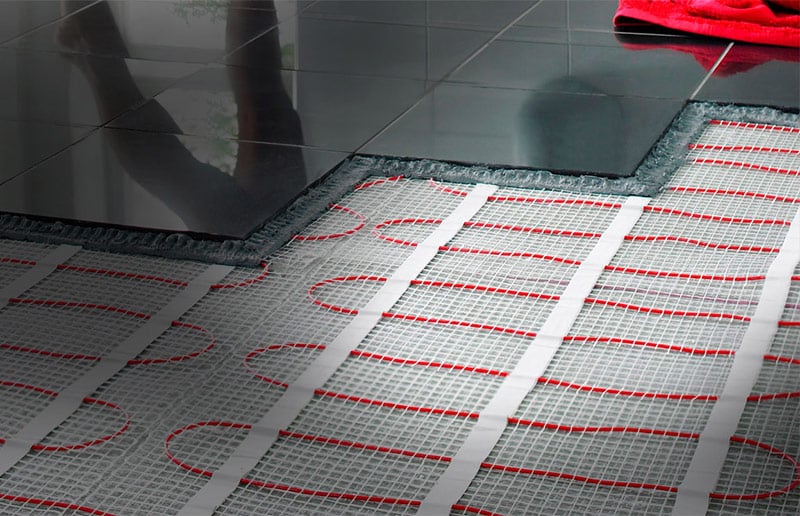
If you’re considering investing in underfloor heating under tiles, one of the first questions you might have is: How long will it last? After all, any home improvement project—especially one that sits beneath your flooring—should provide lasting value for your money. The good news is that the lifespan of underfloor heating under tiles can be impressively long when installed and maintained properly, often exceeding 25 years.
In Malta, tiled floors are a popular choice for kitchens, bathrooms, and living spaces due to their durability and timeless appeal. Combining them with a reliable underfloor heating system creates a comfortable and stylish living environment that can serve you for decades.
In this guide, we’ll look at what affects the lifespan of underfloor heating under tiles, how different systems compare, common issues to watch out for, and what you can do to ensure your investment lasts as long as possible.
Why the Lifespan of Underfloor Heating Under Tiles Matters
When you install underfloor heating, you’re making a decision that involves both comfort and practicality. The lifespan of underfloor heating under tiles is especially important because the system is not something you can easily access for repairs—it’s beneath your flooring. Replacing or fixing it can mean removing tiles, which is disruptive and costly.
Knowing how long your system is expected to last helps you plan your home improvements wisely and avoid unpleasant surprises later on. It also allows you to choose the right type of system for your budget and long-term needs.
Average Lifespan of Underfloor Heating Systems
The type of underfloor heating you choose has a big impact on how long it will last under tiles:
-
Electric Underfloor Heating – High-quality electric systems typically last 20–30 years or more, especially when installed by professionals and used correctly. The heating cables or mats have no moving parts, which reduces the risk of mechanical failure.
-
Hydronic (Water-Based) Underfloor Heating – These systems can last 30–50 years or even longer if properly maintained. The pipes themselves are incredibly durable, while parts like pumps or valves may need occasional replacement.
For both systems, the actual lifespan of underfloor heating under tiles also depends on the quality of materials, the installation process, and how the system is used over the years.
Factors That Affect the Lifespan of Underfloor Heating Under Tiles
Several elements can influence how long your underfloor heating lasts:
1. Quality of Materials
Not all heating mats, cables, or pipes are created equal. Choosing high-grade products from reputable manufacturers can add years to the system’s lifespan.
2. Professional Installation
Even the best system won’t perform well if installed incorrectly. Uneven placement, inadequate insulation, or poor electrical connections can lead to premature failure.
3. Tile Type and Thickness
Tiles conduct heat efficiently, but thicker tiles (like natural stone) may require more energy to heat and could put more strain on the system if not properly accounted for in the design.
4. Proper Insulation
Installing insulation boards beneath the heating system prevents heat loss into the subfloor, improving efficiency and reducing wear on the system.
5. Usage Patterns
Running the system at excessively high temperatures can shorten its lifespan. Modern thermostats help prevent this by maintaining steady, optimal temperatures.
Signs Your Underfloor Heating May Need Attention
While the lifespan of underfloor heating under tiles is generally long, no system is immune to wear. Here are some signs to look for:
-
Uneven heating or cold spots on the floor
-
A sudden increase in energy bills
-
The thermostat not responding properly
-
Sections of the floor taking much longer to warm up
If you notice any of these, it’s best to have a professional assess the system before the issue worsens.
Maintaining Underfloor Heating for Maximum Lifespan
One of the best things about underfloor heating is its low maintenance requirements. Still, a few simple practices can help you get the most out of your investment:
-
Annual Checks – Have a qualified technician inspect the system annually, especially for hydronic systems where pumps and valves need occasional servicing.
-
Smart Thermostats – Using programmable controls prevents overheating and reduces wear.
-
Avoid Floor Damage – When drilling or screwing into the floor for future renovations, always check for the location of heating elements.
With these measures, the lifespan of underfloor heating under tiles can easily surpass its average range.
Cost Considerations Over the Lifespan
Looking only at the installation cost can be misleading. While underfloor heating might seem like a bigger investment upfront—averaging between 60–100 per square metre for electric systems and 80–120 per square metre for hydronic—the long lifespan spreads that cost over decades of use.
In fact, when you break it down into annual cost over the full lifespan of underfloor heating under tiles, the expense becomes much more affordable than many other home upgrades.
Why Tiled Floors Are Ideal for Long-Lasting Underfloor Heating
Tiles—whether ceramic, porcelain, or natural stone—are among the best flooring materials for underfloor heating. They conduct heat efficiently, resist warping, and can handle years of gentle, consistent warmth without damage.
This compatibility is a big reason why the lifespan of underfloor heating under tiles tends to reach the higher end of the average range. In Malta, where tiled floors are both a cultural and practical choice, this makes the pairing even more attractive.
The Role of Installation Quality in Lifespan
We can’t emphasize this enough: the quality of installation plays a major role in determining the lifespan of underfloor heating under tiles. A professional installer ensures:
-
Heating elements are evenly spaced
-
Adequate insulation is in place
-
Electrical connections are secure
-
The system is tested before the tiles are laid
Cutting corners at this stage can lead to expensive repairs later, so it’s worth investing in skilled workmanship from the start.
Warranty Coverage and What It Means for Lifespan
When you invest in underfloor heating, you’re not just buying a product—you’re buying peace of mind. Many reputable manufacturers offer warranties ranging from 10 to 25 years, and some even provide lifetime coverage for certain components. This is especially important given the long lifespan of underfloor heating under tiles.
A robust warranty can protect you against manufacturing defects or early system failures. However, keep in mind that warranties often require professional installation and may be voided by improper use or DIY alterations. Always read the fine print and keep all documentation for future reference.
Environmental Benefits Over the Lifespan
One of the lesser-discussed advantages of the lifespan of underfloor heating under tiles is its environmental impact—or rather, the lack of it when used efficiently. Because the system works at lower temperatures than traditional radiators, it uses less energy to achieve the same comfort level.
Over a lifespan of 25–50 years, this efficiency can translate into a significant reduction in carbon emissions, especially if the system is paired with renewable energy sources such as solar panels or a heat pump. This makes underfloor heating not only a long-lasting investment but also a sustainable one.
Real-World Examples of Lifespan Performance
In Malta and across Europe, there are plenty of real-world examples where underfloor heating systems have been in use for decades without major issues. For instance, many electric systems installed in the early 1990s are still running efficiently today. Similarly, hydronic systems in well-built homes have easily surpassed 40 years of service.
These examples prove that the lifespan of underfloor heating under tiles isn’t just a marketing claim—it’s a reality for homeowners who prioritize quality installation and regular maintenance.
Impact of Climate on System Longevity
The Maltese climate actually works in favour of the lifespan of underfloor heating under tiles. Because our winters are mild, the system operates for fewer hours annually compared to colder countries. This reduced workload means less wear and tear on components, helping extend its life.
How Tile Adhesives Influence Longevity
An often-overlooked factor in the lifespan of underfloor heating under tiles is the choice of tile adhesive. Using flexible, heat-resistant adhesives allows for slight expansion and contraction without cracking or damaging the heating elements beneath. Professional installers in Malta are careful to select products rated for underfloor heating to ensure maximum durability.
Importance of System Testing Before Tiling
A critical installation step for guaranteeing the lifespan of underfloor heating under tiles is testing the system before the tiles are laid. This ensures that any wiring or pipe issues are identified and fixed early, preventing costly floor removal later. Skipping this step can lead to hidden problems that only surface months or years down the line.
Smart Controls and Their Role in Longevity
Using smart thermostats not only improves energy efficiency but also protects the lifespan of underfloor heating under tiles. By preventing overheating and allowing for gradual temperature increases, smart controls reduce strain on the heating system and help maintain optimal performance for decades.
Comparing Lifespan Across Flooring Types
While underfloor heating works under many types of flooring, the lifespan of underfloor heating under tiles is generally longer compared to materials like vinyl or laminate. Tiles’ excellent heat conductivity and durability mean the heating system doesn’t have to work as hard, reducing stress on its components.
Long-Term Cost Efficiency
When calculated over decades, the lifespan of underfloor heating under tiles makes it one of the most cost-effective heating solutions available in Malta. With minimal maintenance, reduced energy waste, and decades of service, the cost per year is often lower than traditional radiator systems, especially in tiled-floor homes.
Future-Proofing Your Home
Installing a system with a long lifespan of underfloor heating under tiles is also a way to future-proof your home. As energy costs rise and sustainable heating becomes more important, having an efficient, long-lasting heating system already in place increases your home’s appeal and functionality for years to come.
Preventing Damage During Renovations
One of the risks to the lifespan of underfloor heating under tiles is accidental damage during future renovations. Homeowners should always provide contractors with installation maps showing exactly where heating elements are located to avoid drilling or cutting into them.
Upgrading Components Over Time
While the core system can last decades, upgrading peripheral components—like thermostats or control units—can extend the functional lifespan of underfloor heating under tiles even further. Newer controls improve energy management and system responsiveness without replacing the main heating elements.
Peace of Mind Through Professional Support
The best way to ensure the full lifespan of underfloor heating under tiles is to work with trusted professionals for both installation and occasional maintenance. With expert support, you can address small issues before they escalate and enjoy decades of consistent, efficient warmth under your tiled floors.
Common Mistakes That Shorten Lifespan
While underfloor heating is built to last, there are certain mistakes that can shorten its useful life:
-
Skipping Insulation – Without proper insulation, heat loss increases and the system works harder, leading to premature wear.
-
Overheating the System – Constantly running the system at maximum temperature can degrade components faster.
-
Ignoring Small Issues – Delaying repairs for cold spots or thermostat faults can lead to more significant problems.
By avoiding these pitfalls, you can help ensure the lifespan of underfloor heating under tiles reaches its full potential.
Is Underfloor Heating the Right Long-Term Choice for You?
Deciding whether underfloor heating is right for your home involves balancing upfront cost with long-term value. Given the impressive lifespan of underfloor heating under tiles, the investment pays off over decades, especially in Malta where tiled flooring is standard and energy efficiency is increasingly valued.
If you’re building a new home or renovating, now is the perfect time to integrate underfloor heating into your plans—it’s far easier to install during these stages than as a retrofit.
Your Next Step: Professional Advice and Installation
If you’re ready to enjoy the comfort, efficiency, and durability of a system designed to last decades, we can help.
👉 Contact us here to get expert guidance, a detailed quote, and professional installation for your underfloor heating system.
Check Out Our Service
Want to know exactly how we install and optimize systems for the longest possible lifespan of underfloor heating under tiles?
👉 Underfloor Heating on Tiles Malta
With our experience and dedication to quality, we ensure your system is not only installed to perfection but also designed to deliver reliable comfort for decades.
Final Thoughts
The lifespan of underfloor heating under tiles makes it one of the most worthwhile home upgrades available. With proper installation, quality components, and smart usage, you can expect decades of reliable, efficient heating.
From reduced energy bills to the luxury of warm floors on cool Maltese mornings, underfloor heating transforms the way you experience your home—and it does so for the long haul.