When it comes to modern home comfort, few innovations feel as luxurious—and surprisingly practical—as underfloor heating mats. Imagine stepping onto warm tiles on a crisp winter morning instead of that all-too-familiar chill. Sounds like something out of a spa, right? But before you rush to install, it’s worth weighing the pros and cons of underfloor heating mats.
In Malta, where winters are short but still damp and chilly, homeowners are increasingly turning to this heating solution. Not only does it add comfort, but it can also increase efficiency when compared to traditional radiators or air heaters. However, like any investment, there are trade-offs to consider.
In this guide, we’ll break down the pros and cons of underfloor heating mats, explore real-world costs in euros, and help you decide if this option is right for your home or renovation project.
What Exactly Are Underfloor Heating Mats? | Pros and Cons of Underfloor Heating Mats
Before looking at the pros and cons of underfloor heating mats, it’s important to understand what they actually are.
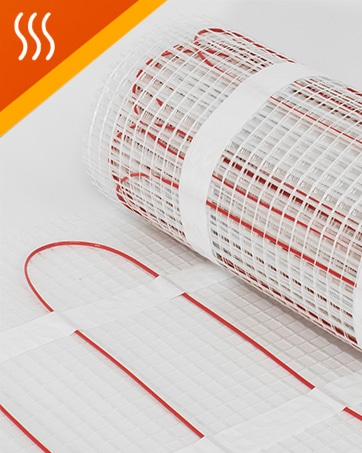
An underfloor heating mat is a thin electric mesh system installed beneath flooring such as tiles, stone, or laminate. Once connected to a thermostat and power supply, it generates gentle radiant heat that rises evenly through the floor surface.
Unlike traditional radiators that heat air unevenly and take up wall space, underfloor heating mats distribute heat consistently from the ground up. This creates a more stable and comfortable indoor temperature throughout the room.
In Malta, where tiled flooring is extremely common and winters can feel cold indoors, this system is especially practical for improving comfort without bulky heating units.
The Pros of Underfloor Heating Mats | Pros and Cons of Underfloor Heating Mats
1. Luxurious Comfort and Warm Floors
One of the main advantages is the comfort experience. Warm flooring creates a consistent and pleasant feeling underfoot, especially during colder months.
Instead of uneven air heating, warmth is delivered directly through the floor surface, creating a more natural indoor climate.
2. Energy Efficiency and Controlled Heating
Underfloor heating mats are designed to operate efficiently by maintaining comfort at lower thermostat settings compared to traditional heating systems.
Because heat is evenly distributed, the system avoids overheating certain areas while leaving others cold.
Smart thermostats further improve efficiency by allowing precise control over usage times and temperature settings.
3. Space-Saving Design
Since the system is fully installed beneath the floor, it remains completely invisible once completed.
This allows for:
- No radiators on walls
- No portable heating devices
- Full freedom in interior layout
- Cleaner, modern aesthetics
This is especially beneficial in compact Maltese homes and apartments.
4. Fast and Simple Installation
Electric underfloor heating mats are relatively quick to install compared to water-based systems.
They are rolled out, positioned according to the room layout, and connected to a thermostat before flooring is applied.
This makes them ideal for renovation projects where minimizing disruption is important.
5. Long Lifespan and Low Maintenance
Once installed correctly, underfloor heating mats are designed for long-term use with minimal maintenance.
- No moving mechanical parts
- No regular servicing required
- Fully sealed system beneath the flooring
- Designed for long operational lifespan
The Cons of Underfloor Heating Mats | Pros and Cons of Underfloor Heating Mats
1. Higher Initial Investment
The main disadvantage is the upfront installation requirement, which is higher than basic portable heating solutions.
However, this reflects the system’s long-term durability and integrated design.
2. Electricity Dependence
The system operates entirely on electricity, meaning performance and running cost depend on energy usage and tariff conditions.
Efficiency can be improved through proper insulation and smart thermostat control.
3. Floor Height Considerations
Installation introduces a slight increase in floor height, which may need to be accounted for during renovation planning, especially between adjacent rooms.
4. Best Suited for Specific Areas
Underfloor heating mats are most effective in:
- Bathrooms
- Kitchens
- Bedrooms
- Small to medium living areas
For large or poorly insulated properties, additional heating solutions may be required.
5. Professional Installation Recommended
Although the system is straightforward, professional installation is strongly recommended to ensure:
- Proper wiring
- Even heat distribution
- Long-term reliability
- Safety compliance
Pros and Cons of Underfloor Heating Mats: Summary
| Pros | Cons |
|---|---|
| High comfort level | Higher initial investment |
| Even heat distribution | Electricity dependency |
| Space-saving design | Floor height adjustment |
| Fast installation | Not ideal as sole heating in large spaces |
| Long lifespan | Requires professional installation |
Is It Worth It in Malta?
For many Maltese homes, underfloor heating mats are a highly practical solution due to:
- widespread use of tile flooring
- mild winter conditions
- need for space-saving heating
- demand for modern, clean interior design
They are particularly effective in bathrooms and bedrooms, where comfort is most noticeable.
Final Thought
The pros and cons of underfloor heating mats show a clear balance: while there is an upfront investment and dependence on electricity, the long-term benefits in comfort, design freedom, and durability make them a strong choice for modern homes in Malta.
Real Homeowner Experiences in Malta| Pros and Cons of Underfloor Heating Mats
Sometimes the best way to understand the pros and cons of underfloor heating mats is through real-world examples.
Case Study 1: A Retired Couple in Gozo
Living in a traditional stone farmhouse, this couple faced cold floors and dampness in the winter. They installed underfloor heating mats in their bedroom and lounge. While they loved the comfort, they noticed that in very large rooms with high ceilings, the mats weren’t always enough on their own. They now use them alongside a small air heater on the coldest nights.
Case Study 2: A New Build in Mellieħa
A developer added underfloor heating mats to all bathrooms in a new block of apartments. Buyers were thrilled with this “luxury touch,” which boosted the property’s value. The mats were marketed as a premium feature, helping the developer sell units more quickly.
These examples highlight how the pros and cons of underfloor heating mats play out differently depending on the property type and personal lifestyle.
Maintenance and Longevity| Pros and Cons of Underfloor Heating Mats
Another point in the pros and cons of underfloor heating mats discussion is maintenance. The good news? Once installed correctly, there’s almost nothing to worry about.
- Durability: Most mats last over 20 years.
- Maintenance: There are no moving parts, so there’s nothing to service regularly.
- Repairs: In the rare case of damage, thermal imaging can pinpoint the fault, and technicians can fix only the affected area without ripping up the entire floor.
In other words, while radiators or air conditioning units need servicing, underfloor heating mats are a nearly “fit and forget” system.
FAQs About Underfloor Heating Mats| Pros and Cons of Underfloor Heating Mats
Here are some of the most frequently asked questions homeowners in Malta have:
Q1. Can underfloor heating mats be installed under any flooring?
They work best under tile, stone, or laminate. Carpets or thick flooring reduce efficiency.
Q2. How long do they take to heat up?
Typically 20–40 minutes, depending on room size and insulation.
Q3. Are they safe in bathrooms?
Yes—when installed by professionals with proper waterproofing and safety measures.
Q4. Can I install them myself?
DIY kits exist, but professional installation is highly recommended for safety and warranty validity.
Q5. Do they add value to my property?
Yes—buyers view them as a premium feature, especially in modern or renovated homes.
Q6. Do they replace air conditioning in summer?
No, they’re purely for heating. Air conditioning units are still necessary for cooling during Malta’s hot summers.
Final Thoughts: Balancing the Pros and Cons| Pros and Cons of Underfloor Heating Mats
When weighing the pros and cons of underfloor heating mats, it becomes clear that the decision isn’t purely financial—it’s also about lifestyle and comfort.
For many Maltese homeowners, the ability to enjoy warm tiles, reduce visible heating equipment, and improve energy efficiency is well worth the upfront cost. While drawbacks like electricity dependence and installation expenses exist, they’re often outweighed by the daily comfort this system provides.
And let’s not forget—unlike a decorative upgrade, this is a practical investment you’ll feel every single day.
If you’re considering installing underfloor heating mats in Malta, the next step is to connect with a professional team who can evaluate your home, calculate the costs, and design a system that matches your needs.
✅ Contact Us| Pros and Cons of Underfloor Heating Mats
Interested in learning more about the pros and cons of underfloor heating mats or ready to get a quote for your home? Our team is here to help.
👉 Contact us today and we’ll walk you through the best solutions for your property in Malta.
✅ Check Out Our Service| Pros and Cons of Underfloor Heating Mats
We also provide full installation services for homes and businesses across Malta.
👉 Check out our underfloor heating mats service to see how we can transform your living spaces with modern, efficient heating.
Bonus Resource| Pros and Cons of Underfloor Heating Mats
Want to dive deeper into the history and technology of radiant heating? Learn more on underfloor heating via Wikipedia.