When it comes to protecting your home or commercial property from water damage, one product stands out for its effectiveness and reliability: liquid membrane. But a common question we hear from homeowners and builders alike is: how many coats of liquid membrane are actually necessary for maximum protection?
At Kibitec, we provide liquid membrane with the best quality service and reliable results, tailored to your needs. Whether you’re waterproofing a shower, balcony, or terrace in Malta, knowing the right number of coats can save you time, money, and future headaches.
Let’s explore everything you need to know about liquid membranes, their application, and how to get the best results.
Understanding Liquid Membrane: What It Is and Why You Need It| How Many Coats of Liquid Membrane
Before we dive into the exact number of coats, it’s important to understand what liquid membrane is. Essentially, liquid membrane is a flexible, waterproof coating that forms a protective barrier on surfaces prone to water damage. It’s widely used in bathrooms, balconies, rooftops, and even swimming pools.
The benefits of using liquid membrane are numerous:
- Superior waterproofing: Unlike traditional materials, liquid membranes create a seamless layer that eliminates weak points where water can seep in.
- Durable and flexible: It expands and contracts with surfaces, preventing cracks from forming over time.
- Cost-effective: Although the upfront cost may seem higher than traditional waterproofing, its long-term benefits—less maintenance, fewer repairs—make it worth the investment.
For more technical details, you can check out this informative liquid membrane article.
How Many Coats of Liquid Membrane Should You Apply?| How Many Coats of Liquid Membrane
So, here’s the burning question: how many coats of liquid membrane do you really need? The answer isn’t one-size-fits-all—it depends on several factors, including the type of surface, its exposure to water, and the product’s specifications.
Standard Application Guidelines
Most professional waterproofing experts, including us at Kibitec, recommend at least two coats for standard applications such as indoor bathrooms or kitchens. Here’s why:
- First coat for adhesion: The first coat penetrates and adheres to the surface, ensuring a strong foundation.
- Second coat for coverage: The second coat ensures uniform coverage and eliminates any thin spots that could compromise waterproofing.
For areas exposed to heavy water flow—like terraces, swimming pools, or external balconies—three coats are often recommended. This extra layer provides added security and durability against harsh weather conditions in Malta.
Factors Affecting the Number of Coats
Several elements influence how many coats you should apply:
- Surface type: Porous surfaces like cement or concrete may require more coats to achieve full waterproofing.
- Exposure to elements: Outdoor areas exposed to sun, rain, or salt air (common in Malta) benefit from additional coats for longevity.
- Desired durability: The more coats, the longer your waterproofing will last without maintenance.
Applying multiple coats isn’t just about slathering on more product—it’s about ensuring even coverage and proper curing time between each layer. A professional like Kibitec will ensure each coat is applied with precision for maximum protection.
Step-by-Step Guide to Applying Liquid Membrane| How Many Coats of Liquid Membrane
If you’re thinking about taking on the job yourself or simply want to understand the process before contacting a professional, here’s how it’s generally done:
- Surface Preparation
Clean the surface thoroughly. Remove dust, grease, or old paint. A smooth, clean surface allows the membrane to bond properly. - Priming (if required)
Some surfaces, especially highly porous ones, require a primer before applying the membrane. This helps the first coat adhere better. - Applying the First Coat
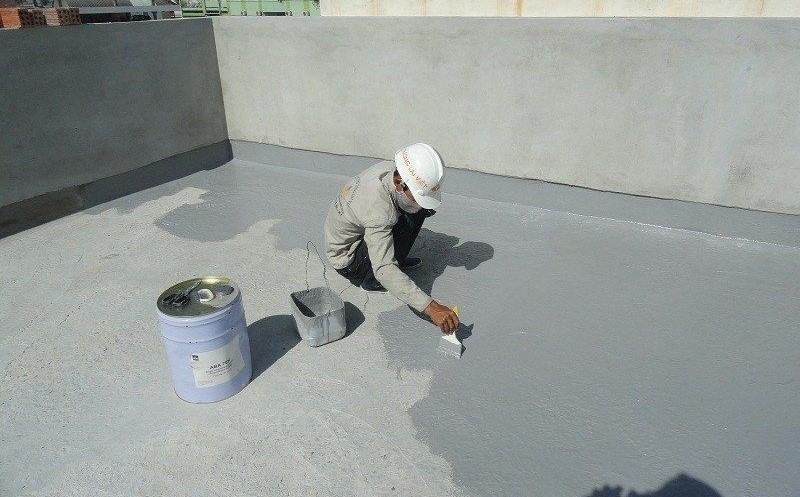
Using a brush or roller, apply the first coat evenly. Pay special attention to corners, joints, and edges where water infiltration is most likely. - Curing Time
Allow the first coat to dry completely, usually between 4–6 hours, depending on temperature and humidity. - Applying the Second Coat
Apply the second coat perpendicular to the first to ensure complete coverage. Some projects may require a third coat for high-stress areas. - Inspection and Finishing
Inspect the surface for any thin spots or uneven areas. Once fully cured, your surface is ready for tiling, painting, or other finishes.
Applying the right number of coats isn’t just a recommendation—it’s a guarantee of durability. With Kibitec, you can rest assured that every project is handled with the utmost care and professionalism.
Benefits of Applying Multiple Coats| How Many Coats of Liquid Membrane
You might wonder: why not just apply one thick coat? Here’s why multiple thinner coats work better:
- Enhanced adhesion: Each layer bonds better than a single thick coat.
- Reduced risk of cracking: Thick layers can crack as they dry, compromising waterproofing.
- Improved flexibility: Multiple coats allow the membrane to expand and contract with the surface naturally.
- Long-term savings: Investing a little more time and product upfront prevents costly repairs in the future.
In Malta, where humidity and coastal conditions can be harsh on building materials, applying two to three coats of liquid membrane ensures your surfaces stay protected for years.
Common Mistakes to Avoid| How Many Coats of Liquid Membrane
Even experienced DIYers can make mistakes when applying liquid membrane. Avoid these pitfalls to maximize your results:
- Skipping surface preparation – Dust, grease, or old coatings can prevent proper adhesion.
- Applying too thick a coat – Thick coats may bubble, crack, or take excessively long to dry.
- Ignoring curing time – Not allowing proper drying between coats reduces effectiveness.
- Using the wrong type of membrane – Always choose a product suitable for your surface and exposure conditions.
With our expertise at Kibitec, we ensure that none of these mistakes happen. Our team applies the correct number of coats with precision, guaranteeing reliable waterproofing.
Why Choose Kibitec for Your Liquid Membrane Needs| How Many Coats of Liquid Membrane
At Kibitec, we pride ourselves on delivering best quality service and reliable results. Whether you need liquid membrane for residential or commercial projects, we offer:
- Professional advice tailored to your property and exposure conditions.
- High-quality products sourced from trusted suppliers.
- Precision application by trained experts who understand Malta’s unique climate.
You can buy our liquid membrane products or request a service by contacting us directly at Kibitec Contact Us.
Check Out Our Service| How Many Coats of Liquid Membrane
For those interested in professional application and long-lasting results, check out our specialized waterproof membrane service in Malta. We handle everything from surface preparation to final inspection, ensuring that every coat of liquid membrane is applied correctly.
Advanced Tips for Applying Liquid Membrane| How Many Coats of Liquid Membrane
Once you understand the basics of how many coats of liquid membrane to apply, there are several advanced tips that can elevate your waterproofing results. These techniques are especially important in Malta, where sun, humidity, and coastal conditions challenge your surfaces daily.
Use Reinforcement Where Needed| How Many Coats of Liquid Membrane
For areas prone to cracking—like corners, joints, and transitions between different materials—using a reinforcing fabric between coats can provide added protection. This ensures the liquid membrane remains intact even under stress.
- How it works: Lay a fiberglass or polyester mesh over the first coat, then apply the second coat on top.
- Benefits: It prevents tears, enhances flexibility, and provides long-term durability.
At Kibitec, we integrate reinforcement seamlessly into our application process for areas that need extra strength, guaranteeing maximum waterproofing performance.
Consider the Environmental Conditions| How Many Coats of Liquid Membrane
Environmental conditions play a major role in curing and performance. Here’s what you should keep in mind:
- Temperature: Liquid membranes typically cure best between 15°C and 30°C. Avoid application in extremely hot or cold conditions.
- Humidity: High humidity can extend drying times but may also improve adhesion on porous surfaces.
- Sun Exposure: Direct sunlight during curing can cause uneven drying. For external applications, apply in shaded or controlled conditions when possible.
By paying attention to these factors, you can ensure that each coat of liquid membrane achieves its full potential.
Choosing the Right Product for Your Needs| How Many Coats of Liquid Membrane
Not all liquid membranes are created equal. Different formulations suit different applications:
- Acrylic-based membranes – Ideal for indoor use, bathrooms, and areas with light water exposure.
- Polyurethane membranes – Perfect for terraces, rooftops, and swimming pools; highly elastic and weather-resistant.
- Cementitious membranes – Best for concrete structures and heavy-duty waterproofing.
Selecting the right type can reduce the number of coats needed while providing optimal protection. Kibitec experts help you choose the perfect membrane for your project, ensuring both efficiency and cost-effectiveness.
Real-World Applications: How Many Coats Work Best| How Many Coats of Liquid Membrane
Understanding how many coats of liquid membrane are appropriate is easier when we look at specific scenarios. Here’s how professionals usually approach different areas:
Bathrooms and Showers| How Many Coats of Liquid Membrane
- Standard recommendation: Two coats.
- Why: These areas see frequent water exposure but are mostly indoor, so two coats provide sufficient waterproofing.
- Tip: Always reinforce corners and junctions for added safety.
Terraces and Balconies| How Many Coats of Liquid Membrane
- Standard recommendation: Three coats.
- Why: Outdoor surfaces face rain, heat, and sometimes salt air, which can wear down a thinner coating quickly.
- Tip: Use a UV-resistant polyurethane membrane for long-term durability.
Swimming Pools
- Standard recommendation: Three to four coats.
- Why: Pools are constantly exposed to water, chemicals, and movement, requiring maximum protection.
- Tip: Combine multiple coats with reinforcing mesh for the best results.
Commercial Spaces
- Standard recommendation: Two to three coats, depending on the traffic and exposure.
- Why: Commercial floors see both water exposure and heavy foot traffic, which can stress the membrane.
By adjusting the number of coats based on the application, you ensure that the liquid membrane performs optimally while avoiding unnecessary costs.
Maintenance Tips for Long-Lasting Waterproofing| How Many Coats of Liquid Membrane
Applying the correct number of coats is crucial, but maintenance is equally important to preserve the integrity of the membrane. Here’s how to make your investment last:
- Regular inspections – Check for cracks, peeling, or bubbles at least twice a year.
- Prompt repairs – If you notice damage, repair it immediately to prevent water infiltration.
- Avoid sharp objects – Heavy or sharp objects can puncture the membrane, compromising protection.
- Gentle cleaning – Use mild detergents and soft brushes; harsh chemicals can degrade the membrane over time.
With proper maintenance, a professionally applied liquid membrane can last over 10–15 years, providing peace of mind and significant long-term savings.
Common Myths About Liquid Membrane| How Many Coats of Liquid Membrane
Many homeowners in Malta have questions or misconceptions about liquid membrane. Let’s clarify a few common myths:
- Myth 1: One thick coat is enough – False. Multiple thin coats adhere better, prevent cracking, and provide more reliable waterproofing.
- Myth 2: Liquid membrane is only for bathrooms – False. It’s suitable for terraces, balconies, pools, and even commercial floors.
- Myth 3: DIY is just as effective as professional application – False. Proper surface preparation, curing time, and correct number of coats are essential for long-term protection.
By working with a trusted provider like Kibitec, you avoid these pitfalls and ensure that your surfaces remain fully protected.
Why Kibitec Is Your Go-To Expert in Malta| How Many Coats of Liquid Membrane
Kibitec is proud to offer liquid membrane with best quality service and reliable results for both residential and commercial projects across Malta. Here’s why clients trust us:
- Expert advice – Our team evaluates your property and recommends the ideal number of coats for maximum waterproofing.
- Top-quality products – We use premium membranes suited for local weather conditions.
- Professional application – Every coat is applied with precision, ensuring a flawless, long-lasting finish.
You can buy our liquid membrane products or request a service by contacting us today at Kibitec Contact Us.
Check Out Our Service| How Many Coats of Liquid Membrane
For a hassle-free experience, check out our professional waterproof membrane service in Malta. We handle everything from surface prep to final inspection, ensuring your surfaces are fully protected with the right number of coats.
Conclusion| How Many Coats of Liquid Membrane
When it comes to how many coats of liquid membrane you need, the rule is clear: two coats for standard indoor areas, and three or more for outdoor or high-exposure surfaces. Each coat serves a purpose—ensuring adhesion, coverage, and long-term protection.
By choosing the right membrane, applying the correct number of coats, and performing regular maintenance, you guarantee durability and peace of mind for your property.
At Kibitec, we combine expertise, premium products, and professional service to deliver waterproofing solutions that last. Don’t risk your property with shortcuts—contact us today at Kibitec Contact Us to get started.
And for more details on our specialized offerings, check out our service at Kibitec Waterproof Membrane Malta.