Waterproofing is one of the most critical aspects of roofing, especially in Malta, where sun, rain, and coastal humidity can quickly damage even the strongest structures. Property owners and contractors often ask: liquid applied roofing membrane vs rubber membrane – which one should I choose?
At Kibitec, we provide liquid membrane with best quality service and reliable results, ensuring that your roof remains fully protected, durable, and long-lasting. In this guide, we’ll break down the differences, highlight advantages, and offer expert tips for making the right choice.
Understanding Roofing Membranes| Liquid Applied Roofing Membrane vs Rubber Membrane
Before comparing, it’s essential to understand what a roofing membrane does. Simply put, a roofing membrane is a waterproof barrier applied to a roof surface to prevent water infiltration. Proper membrane installation protects the building’s structure, prevents leaks, reduces mold growth, and extends the lifespan of your roof.
Two popular options in Malta are liquid applied roofing membranes and rubber membranes. Each has unique characteristics, advantages, and applications.
What Is a Liquid Applied Roofing Membrane?| Liquid Applied Roofing Membrane vs Rubber Membrane
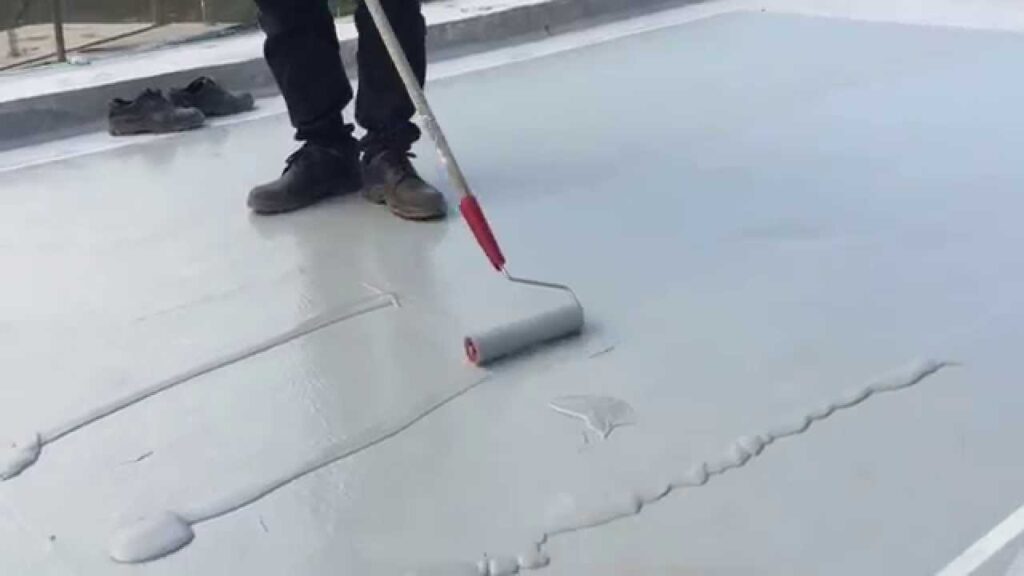
A liquid applied roofing membrane is a waterproofing layer applied in liquid form. Once it cures, it forms a seamless, elastic barrier that adapts to the roof’s surface.
Key Features of Liquid Applied Roofing Membranes:
- Seamless Coverage – Forms a continuous layer without joints or seams, reducing weak points where water could penetrate.
- Flexibility – Expands and contracts with temperature fluctuations and structural movement.
- Durability – Lasts 10–15 years with proper application and maintenance, even in Malta’s harsh coastal climate.
- Versatility – Suitable for flat, sloped, or complex roof surfaces, terraces, balconies, and even swimming pools.
For a deeper technical understanding, you can explore liquid membrane.
What Is a Rubber Membrane?| Liquid Applied Roofing Membrane vs Rubber Membrane
Rubber membranes, often referred to as EPDM (ethylene propylene diene monomer) membranes, are synthetic rubber sheets applied over a roof surface. These membranes are highly elastic and known for their durability.
Key Features of Rubber Membranes:
- Pre-Manufactured Sheets – Applied as large sheets with seams and joints that must be sealed.
- Elasticity – Can stretch up to 300% without cracking, accommodating structural movement.
- UV and Weather Resistance – Strong resistance to sun, rain, and temperature extremes.
- Durability – Can last 20–30 years with proper installation and maintenance.
Rubber membranes are a popular choice for flat roofs but require careful seam sealing and precise installation to avoid leaks.
Advantages of Liquid Applied Roofing Membranes| Liquid Applied Roofing Membrane vs Rubber Membrane
Choosing a liquid applied roofing membrane offers several benefits, particularly in Malta:
- Seamless Protection – Continuous coverage reduces the risk of leaks at seams.
- Flexibility on Complex Surfaces – Ideal for terraces, sloped roofs, and irregular shapes.
- Quick Application – Easier to apply in multiple coats without the need for heavy mechanical fixing.
- Adaptable to Repairs – Damage can be repaired by simply applying an additional layer.
- Cost-Effective – Lower upfront cost compared to rubber membranes for complex roofs.
At Kibitec, we provide best quality service and reliable liquid membrane installation, ensuring long-lasting protection for your property.
Advantages of Rubber Membranes| Liquid Applied Roofing Membrane vs Rubber Membrane
While liquid membranes have many benefits, rubber membranes also excel in specific scenarios:
- Long Lifespan – Can last 20–30 years, especially in low-traffic areas.
- High Elasticity – Can stretch without cracking, accommodating significant structural movement.
- UV and Weather Resistance – Excellent resistance to Malta’s strong sun and coastal humidity.
- Low Maintenance – Requires minimal upkeep once seams are properly sealed.
Rubber membranes are ideal for smooth, flat roofs where long-term durability and minimal maintenance are priorities.
Step-by-Step Guide: Applying a Liquid Applied Roofing Membrane| Liquid Applied Roofing Membrane vs Rubber Membrane
For roofs requiring complex coverage or terraces, here’s how professionals apply a liquid membrane:
- Surface Cleaning and Preparation
Remove dust, grease, old coatings, and debris. Smooth surfaces ensure proper adhesion. - Priming
Apply a primer to porous surfaces to improve bonding for the first membrane layer. - First Coat Application
Spread the membrane evenly using a brush, roller, or spray. Pay attention to corners, joints, and edges. - Reinforcement (Optional)
For high-stress areas, embed a net membrane between coats for extra strength. - Second Coat
Apply a second coat perpendicular to the first. Ensure uniform coverage and allow proper curing time. - Inspection
Check for thin areas or imperfections. Once cured, the roof is fully waterproof.
Kibitec follows these steps meticulously, guaranteeing best quality service and reliable results for your roofing project.
Common Mistakes to Avoid| Liquid Applied Roofing Membrane vs Rubber Membrane
Even the best membranes can fail if not applied correctly. Avoid these pitfalls:
- Skipping Surface Preparation – Dust and debris reduce adhesion.
- Applying Too Thick a Coat – Can lead to cracks or uneven curing.
- Ignoring Reinforcement – Critical for high-stress areas.
- Improper Curing – Rushing drying times compromises durability.
- Poor Seam Sealing in Rubber Membranes – Leaks often occur at improperly sealed joints.
Professional application ensures these mistakes are avoided, providing long-lasting protection.
Case Studies: Liquid Applied vs Rubber Membranes in Malta| Liquid Applied Roofing Membrane vs Rubber Membrane
Residential Roof in Sliema| Liquid Applied Roofing Membrane vs Rubber Membrane
A flat, irregularly shaped roof required waterproofing with terraces and parapets. We applied a liquid applied roofing membrane with reinforcement, resulting in a seamless, durable solution.
Flat Commercial Roof in Valletta| Liquid Applied Roofing Membrane vs Rubber Membrane
A commercial property needed long-lasting waterproofing with minimal maintenance. A rubber membrane was installed, providing excellent UV and weather resistance for decades.
Terrace in St. Julian’s| Liquid Applied Roofing Membrane vs Rubber Membrane
A terrace exposed to heavy sun and occasional foot traffic required flexibility and durability. Liquid membrane with net reinforcement offered a cost-effective, walkable solution with long-term waterproofing.
Maintenance Tips for Long-Lasting Roofing Membranes| Liquid Applied Roofing Membrane vs Rubber Membrane
Whether you choose a liquid applied roofing membrane or a rubber membrane, proper maintenance ensures long-term performance and protects your investment.
1. Regular Inspections| Liquid Applied Roofing Membrane vs Rubber Membrane
Check your roof at least twice a year, particularly after heavy rains or strong winds. Look for:
- Cracks or bubbles in the membrane
- Lifting seams in rubber sheets
- Water pooling on flat surfaces
Early detection of minor issues prevents costly repairs and prolongs membrane lifespan.
2. Gentle Cleaning| Liquid Applied Roofing Membrane vs Rubber Membrane
Use soft brushes and mild detergents. Avoid abrasive tools, high-pressure washers, or harsh chemicals, which can damage the membrane surface.
3. Prompt Repairs| Liquid Applied Roofing Membrane vs Rubber Membrane
Small punctures, tears, or thin spots should be addressed immediately. With liquid membranes, minor repairs are as simple as applying a touch-up coat. For rubber membranes, ensure seams are resealed promptly.
4. Environmental Considerations| Liquid Applied Roofing Membrane vs Rubber Membrane
Malta’s intense sun and coastal humidity can accelerate wear. Inspect your roof more frequently in exposed areas and ensure proper drainage to prevent water accumulation.
5. Professional Check-Ups| Liquid Applied Roofing Membrane vs Rubber Membrane
Schedule a professional inspection every 2–3 years. Experts can identify areas needing reinforcement, recoating, or minor repairs, keeping your roof in top condition.
At Kibitec, we provide best quality service and reliable maintenance advice, ensuring your membrane performs optimally for years.
Advanced Tips for Maximum Durability| Liquid Applied Roofing Membrane vs Rubber Membrane
For high-traffic terraces, balconies, or complex roofs, consider these professional tips:
- Reinforce Critical Areas
Corners, parapets, and joints are prone to stress. Embed a net membrane or reinforcement layer for added durability. - Curing and Layering
Allow each coat to cure fully before applying the next. Rushing can compromise adhesion and elasticity. - Surface Preparation
Smooth, clean, and primed surfaces maximize membrane performance. Uneven surfaces can create weak points and reduce lifespan. - Select the Right Product
Polyurethane-based liquid membranes are ideal for walkable, high-traffic areas, while rubber membranes excel on flat, low-maintenance roofs.
Following these steps ensures your roofing membrane withstands Malta’s climate and daily wear.
Common Myths About Roofing Membranes| Liquid Applied Roofing Membrane vs Rubber Membrane
Myth 1: Rubber membranes are maintenance-free.
Truth: Seams can fail over time, especially if exposed to heavy foot traffic or extreme weather.
Myth 2: Liquid membranes are only for small roofs.
Truth: Modern liquid membranes can cover large surfaces efficiently, even with complex shapes.
Myth 3: One coat is enough for waterproofing.
Truth: Walkable or high-stress areas require multiple coats, often with reinforcement, to ensure durability.
Professional installation prevents these mistakes and ensures best quality service and reliable results.
Case Studies: Liquid vs Rubber Membranes in Malta| Liquid Applied Roofing Membrane vs Rubber Membrane
Residential Roof in Sliema
A flat roof with parapets and terraces needed waterproofing with occasional foot traffic. A liquid applied roofing membrane was used with net reinforcement. The result: seamless coverage, walkable areas, and excellent durability.
Flat Commercial Roof in Valletta
A large commercial property required a long-lasting, low-maintenance solution. A rubber membrane was installed, providing decades of UV and weather resistance while minimizing maintenance.
Terrace in St. Julian’s
The terrace had exposure to sun, rain, and furniture movement. A reinforced liquid membrane was applied, ensuring walkable, durable, and fully waterproof surfaces.
These examples highlight that both systems can be highly effective when applied correctly by professionals.
Why Choose Kibitec for Your Roofing Membrane| Liquid Applied Roofing Membrane vs Rubber Membrane
At Kibitec, we combine expertise, premium materials, and meticulous application to deliver liquid membrane with best quality service and reliable results.
- Expert Consultation – We evaluate your roof type, usage, and exposure to recommend the ideal solution.
- Premium Materials – High-quality liquid and rubber membranes suited to Malta’s climate.
- Professional Application – Precision in every coat ensures durability, waterproofing, and walkability.
You can buy our liquid membrane products or request a service by contacting us at Kibitec Contact Us.
Check Out Our Service| Liquid Applied Roofing Membrane vs Rubber Membrane
For professional, durable, and reliable roof waterproofing, explore our waterproof membrane service in Malta. We handle everything from surface preparation to final inspection, ensuring your surfaces remain fully protected and long-lasting.