When it comes to building or renovating a home in Malta, you’ve probably heard the term “kontrabejt” thrown around by contractors or architects. But what is kontrabejt in Malta, really — and why does it matter so much for your home’s durability and comfort?
Let’s dive into the details of this often-overlooked yet crucial construction element, understand its purpose, its benefits, and why Maltese homeowners and builders rely on it for high-quality results.
1. What Is Kontrabejt in Malta? (The Basics Explained)│What is Kontrabejt in Malta
If you’ve ever walked into a newly built Maltese property and admired its smooth, level floors — that’s kontrabejt at work.
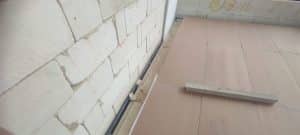
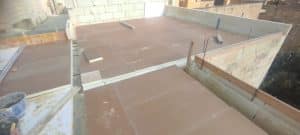
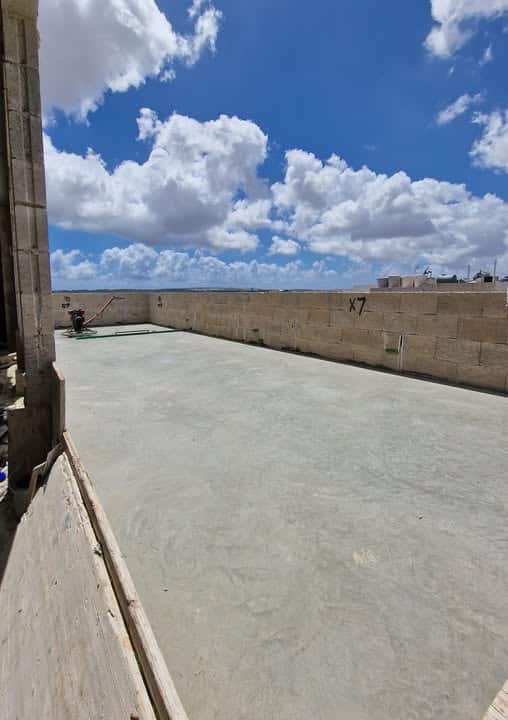
In simple terms, kontrabejt (derived from the Maltese construction tradition) refers to a cement-based screed layer applied over the structural concrete surface before finishing materials like tiles, parquet, or resin are laid. It’s essentially the foundation for your flooring finish, ensuring the surface is flat, level, and strong enough to handle daily use.
In modern construction, kontrabejt serves both a functional and protective role. It not only provides a uniform base but also helps in:
- Balancing uneven surfaces
- Embedding underfloor heating systems
- Protecting insulation layers
- Enhancing sound and thermal performance
So when you ask, “what is kontrabejt in Malta?”, the short answer is:
👉 It’s the vital screed layer that ensures your floors are durable, level, and long-lasting.
In Maltese construction, kontrabejt is often applied in both residential and commercial projects — from traditional limestone houses to contemporary high-rise apartments. It’s a key step between the concrete structure and the decorative flooring finish, bridging practicality with aesthetics.
If you’re building or renovating, skipping kontrabejt (or doing it poorly) could mean future issues like cracking tiles, uneven floors, or moisture problems — all costly to fix later.
2. Types of Kontrabejt Used in Malta│What is Kontrabejt in Malta
Not all kontrabejt is created equal. Depending on the type of project and the desired performance, there are several kinds of kontrabejt used in Malta — each with specific properties and applications.
a. Traditional Sand and Cement Kontrabejt│What is Kontrabejt in Malta
This is the most common type used across Malta. It’s a mix of cement, sand, and water, typically applied manually or semi-mechanically. It offers good strength and durability for standard flooring installations.
- Mix ratio: Usually around 1:4 (cement to sand)
- Thickness: 40–70 mm depending on site conditions
- Curing time: Approximately 7–10 days before tiling
It’s the go-to option for residential floors, internal rooms, and projects where cost-effectiveness is key.
b. Liquid or Self-Levelling Kontrabejt
This modern alternative is a flowable screed that levels itself naturally after pouring. It’s ideal for larger areas or floors that require exceptional smoothness — for example, beneath vinyl, laminate, or resin finishes.
- Faster application
- Perfectly even finish
- Compatible with underfloor heating systems
c. Lightweight or Insulated Kontrabejt
Some buildings in Malta — especially older stone structures — require lightweight kontrabejt to reduce load on existing floors. This type uses special aggregates (like expanded clay or polystyrene beads) mixed into the screed.
It improves thermal insulation, making it an excellent choice for energy-efficient homes.
Though more specialized, it’s becoming increasingly popular in eco-friendly renovations and green building projects.
3. Why Is Kontrabejt So Important in Maltese Construction?│What is Kontrabejt in Malta
Understanding what is kontrabejt in Malta also means recognizing why it matters. Many homeowners see it as “just another layer” under the tiles — but in truth, it’s one of the most important stages of floor installation.
Here’s why:
1. It Ensures Perfect Level Floors
Maltese homes often feature large-format tiles or porcelain slabs that demand precision. Even a small unevenness can ruin the look and cause long-term tile damage. A properly applied kontrabejt guarantees a level and consistent surface.
2. It Protects Your Flooring Investment
Tiles, wood, or resin flooring aren’t cheap — and neither is replacing them. By providing a stable base, kontrabejt protects your flooring materials from stress, cracking, and movement.
3. It Supports Underfloor Heating Systems
As modern homes in Malta increasingly use underfloor heating, kontrabejt acts as the thermal mass that distributes and retains heat efficiently. Self-levelling kontrabejt is particularly ideal for this purpose, ensuring even heat distribution across rooms.
4. It Adds Structural Strength
In multi-level buildings or commercial spaces, kontrabejt contributes to the overall floor stability. It strengthens the bond between layers, reducing vibration and improving sound insulation.
5. It Helps with Moisture and Insulation Control
Certain kontrabejt formulations are designed to include moisture barriers or insulation boards underneath. This prevents dampness — a common problem in Malta’s humid coastal environment — and enhances indoor comfort.
4. How Is Kontrabejt Installed? (Step-by-Step Process)│What is Kontrabejt in Malta
Let’s take a closer look at how professional contractors in Malta install kontrabejt properly. Understanding the process helps you appreciate the craftsmanship involved — and ensures you can identify quality work on your project.
Step 1: Preparation
Before pouring kontrabejt, the floor surface is cleaned of debris, dust, and oil. If insulation or underfloor heating is included, it’s installed and securely fixed. Expansion joints are added along walls or large sections to allow for thermal movement.
Step 2: Leveling and Setting Guides
Using laser levels or traditional guides, installers set the required thickness and slope. Proper leveling is key — even a 2 mm difference can affect tile alignment later.
Step 3: Mixing
For sand and cement kontrabejt, the mix is prepared on-site using the correct cement-sand ratio and just enough water for workability. For liquid screed, pre-mixed material is pumped directly from a truck or machine.
Step 4: Application
The kontrabejt is then poured or spread evenly over the area. It’s compacted and leveled with specialized tools like straightedges or vibrating screed bars. In the case of self-levelling kontrabejt, the material naturally flows into place, eliminating manual smoothing.
Step 5: Curing
Curing is crucial. The kontrabejt must be kept moist for several days to prevent cracking and ensure full strength development. Depending on the type used, curing can take between 5–14 days before tiles or other finishes can be applied.
Step 6: Quality Check
Before tiling or flooring, the surface is checked for flatness, cracks, and moisture content. A good contractor ensures all specifications meet Maltese building standards and the flooring manufacturer’s requirements.
5. How Much Does Kontrabejt Cost in Malta?│What is Kontrabejt in Malta
Prices for kontrabejt in Malta vary depending on the material type, site conditions, and the size of the project.
If you want a reliable team that handles everything — from preparation to finishing — contact us at Kibitec. Our professionals ensure that your kontrabejt installation meets the highest Maltese standards, with smooth and durable results that last for years.
6. Common Mistakes Homeowners Make With Kontrabejt│What is Kontrabejt in Malta
Even though kontrabejt might sound simple, it’s often where costly mistakes happen — especially when handled by unqualified workers. Here are a few things to watch out for:
1. Skipping Proper Curing Time
Many rush to install tiles before the kontrabejt has fully dried. This traps moisture underneath, causing tiles to lift, discolor, or crack later on.
2. Incorrect Thickness
If kontrabejt is too thin, it lacks strength; too thick, and it can crack or cause unnecessary weight. Always follow the specifications — typically between 40–70 mm.
3. Poor Mixing or Wrong Ratios
Adding too much water weakens the mix. A poor blend means uneven strength and potential crumbling after installation.
4. Ignoring Expansion Joints
Especially in large rooms or outdoor terraces, expansion joints prevent cracking from temperature changes. Overlooking this step can cause visible damage within months.
5. Hiring Unqualified Installers
A skilled hand makes all the difference. Kontrabejt requires knowledge of mix ratios, leveling, and curing — not just basic cement work.
7. Modern Innovations and Trends in Kontrabejt Technology│What is Kontrabejt in Malta
Maltese construction is evolving quickly. As homeowners demand better insulation, faster installation times, and environmentally responsible solutions, kontrabejt materials have also modernized. Here are some of the latest developments shaping how kontrabejt is applied today.
1. Fast-Drying and Polymer-Modified Kontrabejt
Traditional screeds can take up to two weeks to dry fully before tiling begins. But with polymer-modified kontrabejt, curing time is drastically reduced — sometimes to just 24–48 hours.
These enhanced mixes include special additives that:
- Increase flexibility (reducing cracking)
- Improve bonding with subfloors and tiles
- Allow early application of finishes
For homeowners who can’t afford long project delays, this is a game-changer.
2. Eco-Friendly and Low-Carbon Options
Sustainability is no longer optional. Builders in Malta are turning to low-carbon kontrabejt solutions, made with recycled aggregates or reduced cement content. These eco-friendly alternatives minimize carbon emissions while maintaining the same strength and performance.
Some contractors also mix in fly ash or ground granulated blast furnace slag (GGBS) — industrial by-products that replace part of the cement and lower the environmental footprint.
3. Fibre-Reinforced Kontrabejt
To increase tensile strength and prevent cracking, modern kontrabejt often includes fibres — typically polypropylene or glass. This reinforcement distributes stress more evenly throughout the screed, making it ideal for:
- High-traffic commercial spaces
- Industrial floors
- Garage and workshop applications
4. Smart Heating Integration
As more Maltese homes adopt underfloor heating, contractors are integrating smart thermostats and heating cables directly within the kontrabejt layer. This allows for seamless energy transfer and better control through Wi-Fi-connected systems.
If you’re considering underfloor heating, a self-levelling kontrabejt offers the best thermal conductivity. It helps heat distribute uniformly, reducing cold spots and improving energy efficiency — something every homeowner in Malta appreciates during cooler months.
8. Maintenance Tips: Keeping Your Kontrabejt in Perfect Condition│What is Kontrabejt in Malta
Even though kontrabejt is hidden beneath your flooring, how it’s treated and maintained can affect the lifespan of your entire floor system. Here are some expert tips from Maltese contractors and flooring specialists:
1. Let It Cure Naturally
Rushing the drying process by exposing it to direct sunlight or heaters can cause surface cracking. Always let kontrabejt cure at a natural pace, ideally in a well-ventilated environment.
2. Protect It from Moisture
Before laying tiles or finishes, ensure the kontrabejt is completely dry. Any trapped moisture could lead to mould growth or tile lifting later. Professional teams use moisture meters to check this before proceeding.
3. Use Suitable Adhesives
Not all tile adhesives are compatible with every type of kontrabejt. For instance, a polymer-modified kontrabejt often requires flexible adhesives to accommodate micro-movement.
4. Seal or Prime When Necessary
For areas exposed to humidity (like bathrooms or balconies), applying a sealing primer on top of the kontrabejt adds an extra layer of protection.
5. Watch Out for Settlement Cracks
Minor hairline cracks are common and not usually a concern. But wider or uneven cracks might indicate structural movement or poor mixing. Always consult a professional if you’re unsure.
9. How to Choose the Right Kontrabejt Contractor in Malta│What is Kontrabejt in Malta
Now that you understand what is kontrabejt in Malta, choosing the right contractor becomes your most important step. An experienced professional ensures correct ratios, levelling, curing, and finishing — the difference between a floor that lasts decades and one that fails in a year.
Here’s what to look for when hiring:
1. Proven Experience
Ask how many years they’ve been working with kontrabejt in Malta. Local experience matters because building materials, humidity levels, and temperature conditions vary significantly from other regions.
2. Proper Equipment
Contractors using laser levelling systems and pumping machines usually deliver faster and more precise results — especially for large-scale or commercial projects.
3. Transparent Quotes
A trustworthy contractor provides detailed estimates that break down:
- Material costs ( per m²)
- Labour costs
- Drying time and project duration
This clarity helps you budget realistically and avoid hidden charges.
4. Warranty and After-Service
Top professionals will back their work with a guarantee — ensuring your kontrabejt won’t crack or delaminate under normal use. This is especially valuable for new builds.
5. Strong Portfolio and References
Before committing, ask to see photos of past projects or visit completed sites if possible. Seeing the results firsthand gives you confidence in the quality of their work.
At Kibitec, our team combines decades of local experience with the latest kontrabejt technologies — ensuring every project meets Malta’s strict construction standards. Whether you need kontrabejt for a home renovation, a new commercial space, or an energy-efficient upgrade, we handle everything from preparation to final finish.
👉 Contact us today to request a personalized quotation or professional advice on your project.
10. Kontrabejt vs. Other Screed Types: A Quick Comparison│What is Kontrabejt in Malta
If you’ve read about screed systems abroad, you might wonder how Maltese kontrabejt compares to other international versions. While the principle is similar, local adaptation makes a big difference.
So while kontrabejt is essentially a form of screed (you can read more about screed here on Wikipedia), the Maltese adaptation focuses on durability and resistance to the island’s unique environment.
11. When Should You Replace or Redo Kontrabejt?│What is Kontrabejt in Malta
In most cases, properly installed kontrabejt can last 20–30 years without major issues. However, replacement might be necessary if you notice:
- Large cracks that continue spreading
- Hollow or uneven sounds when walking
- Persistent moisture problems
- Lifting or uneven tiles caused by underlying failure
In such cases, removing the old layer and reapplying a fresh kontrabejt is usually the best long-term fix. At Kibitec, our specialists can inspect your floors and determine whether repair or full replacement is the right approach.
12. Why You Should Never Skip Kontrabejt in Malta│What is Kontrabejt in Malta
It’s tempting to cut costs in a construction project — but skipping kontrabejt (or using poor-quality materials) is a mistake that always comes back to haunt homeowners. Without this key layer, your floors may:
- Develop uneven spots or slopes
- Crack under load or temperature changes
- Suffer moisture damage from rising damp
- Cause your expensive tiles or flooring to detach
Think of kontrabejt as the “invisible strength” beneath your floor. It might not be visible once the job’s done, but it’s what keeps everything level, firm, and safe for years to come.
13. Final Thoughts: Why Kontrabejt Is the Backbone of Maltese Flooring
By now, you should have a clear answer to the question “what is kontrabejt in Malta” — and a deep understanding of why it’s essential. From balancing surfaces to protecting against moisture, kontrabejt is more than just a filler; it’s the unsung hero that determines how well your floors perform over time.
Whether you’re building a new home, renovating a traditional townhouse, or upgrading to underfloor heating, getting this step right is critical.
A professional, well-installed kontrabejt layer ensures strength, stability, and energy efficiency for the entire lifetime of your property.
Check Out Our Service
Ready to get started? Explore our professional kontrabejt and flooring preparation services at Kibitec Services. You’ll find detailed information on our methods, materials, and custom solutions for homes and businesses across Malta.
Contact Us
Still wondering which type of kontrabejt is best for your project or need a quotation?
Our expert team is here to help with tailored advice, precise workmanship, and transparent pricing — all in euros () for Maltese homeowners.
📞 Get in touch today through our official contact page:
👉 https://kibitec.com/contact-us/
Key Takeaway
Kontrabejt isn’t just another step in construction — it’s the secret to flawless, long-lasting floors. Whether you’re renovating a single room or constructing a new building, investing in high-quality kontrabejt means investing in comfort, safety, and value for years to come.