The Complete Guide to Construction and Renovation Planning in Malta
When people discuss building or renovating in Malta, it’s often seen as a major undertaking. Whether you’re planning to construct a family home, an apartment block, or a commercial property, understanding how construction projects are structured and managed in Malta will help you plan effectively and avoid unexpected delays or compromises.
In this guide, we’ll break down the key factors behind construction management in Malta, explain what drives project scope, and show you how to execute your build efficiently. Think of this as a practical roadmap—insights you can use today if you’re planning a project.
Key Factors Shaping Construction in Malta
Building or renovating in Malta comes with unique considerations specific to an island environment. Several key factors come into play:
-
Limited Land and High Demand: Malta’s high density means available space is tightly managed, requiring smart structural design and careful site utilization.
-
Building Regulations: Complying with local Planning Authority (PA) rules, Building & Construction Authority (BCA) guidelines, and EU energy efficiency standards requires specialized planning.
-
Material Logistics: Because many structural and finishing materials (such as steel, specialized timber, and thermal glazing) are imported, supply chain timing and logistics play a central role.
-
Resource and Expertise Demand: Skilled tradespeople are in high demand across simultaneous residential and commercial developments, making scheduling and team coordination vital.
Breakdown of Project Scope by Construction Type
Every project requires a different combination of structural engineering, mechanical installations, and finishing works:
| Construction Type | Key Specifications & Scope |
| Basic Residential | Focuses on structural shell, core plastering, baseline plumbing, and basic electrical distribution. |
| Mid-Range Residential | Incorporates higher-performance glazing, tailored floor finishes, updated fixtures, and detailed lighting plans. |
| Luxury Residential | Focuses on premium architectural finishes, integrated energy-efficient HVAC, custom joinery, and home automation. |
| Commercial Office Blocks | Demands complex technical systems, fire safety compliance, raised flooring, and specialized acoustic insulation. |
| Retail Spaces | Prioritizes customized shopfront fit-outs, heavy-duty lighting circuits, and durable high-traffic finishes. |
| Industrial Warehouses | Features large-span structural frames, reinforced concrete slabs, and heavy load-bearing capabilities. |
What Is Included in a Full Construction Scope?
A common oversight is assuming construction only covers concrete and blockwork. In reality, a comprehensive project scope includes:
-
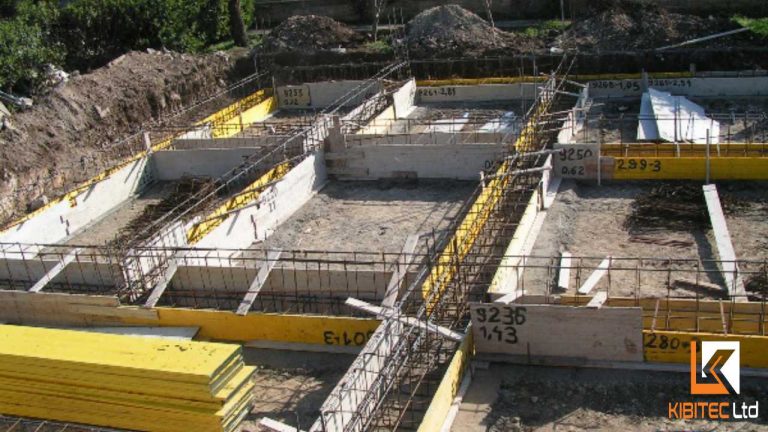
Structural Works: Excavation, foundations, load-bearing walls, concrete slabs, and roof decking.
-
Mechanical & Electrical (MEP) Systems: Water supply, drainage, electrical distribution, air conditioning, and ventilation.
-
Finishing Works: Plastering, floor and wall tiling, painting, doors, and sanitaryware.
-
External Works: Façade treatment, thermal insulation systems, outdoor paving, and waterproofing.
-
Professional Management: Architectural design, structural engineering, site management, and safety coordination.
-
Site Preparation & Logistics: Scaffolding, waste management, crane permits, and municipal permissions.
The Impact of Material Selection
Material choice directly impacts building performance and long-term durability:
-
Concrete & Aggregate: Needs correct specification for Malta’s humid, saline air to prevent carbonation and structural weathering.
-
Steel Reinforcement: Must be properly coated and encased to protect against sea-salt corrosion.
-
Floor & Wall Finishes: Options range from standard ceramic to large-format porcelain, marble, or microcement—each requiring specific substrate preparation.
-
Windows & Apertures: Thermally broken aluminum or high-grade PVC frames with double/triple glazing are essential to control indoor climate and noise.
Investing in weather-resistant, high-specification materials during construction prevents frequent maintenance and premature repairs later in the building’s lifecycle.
Skilled Trades and Workmanship
Workmanship quality determines how well structural and aesthetic details hold up over time. Essential trades include:
-
Experienced masons and structural concrete teams
-
Certified electricians and plumbers
-
Specialist plasterers, tile layers, and waterproofers
Working with structured management ensures that trades execute work in the correct sequence, preventing costly rework.
Renovations vs. New Builds in Malta
When evaluating property projects in Malta, choosing between a renovation and a new build depends on structural goals:
-
Renovations: Preserves traditional Maltese features (such as stone arches or globigerina limestone walls) but requires structural underpinning, damp-proofing upgrades, and rewiring.
-
New Builds: Offers complete design freedom, seamless integration of modern thermal insulation, and optimized structural layouts from the ground up.
Additional Project Considerations
When mapping out your project timeline and scope, ensure you include:
-
Permits & Statutory Compliance: Planning Authority approvals, BCA clearances, and road closure permits.
-
Design & Engineering Fees: Architectural plans, structural calculations, and interior design specifications.
-
Contingency Planning: Setting aside extra time and resources to manage unexpected site conditions, particularly when excavating near historic structures.
Construction Trends Influencing Maltese Building Standards
Modern construction in Malta is rapidly evolving toward higher performance and sustainability standards:
-
Thermal Efficiency: Continuous roof and wall insulation, thermal bridges reduction, and energy-efficient glazing.
-
Renewable Energy Integration: Solar PV provisions, heat pump water heaters, and rain harvesting systems (kontrabejt).
-
Smart Technology: Integrated lighting, automated climate control, and security monitoring.
Smart Ways to Manage Your Construction Project
-
Detail the Scope Before Work Begins: Avoid mid-project changes to layout or mechanical points, as revisions during construction cause delays and disruption.
-
Select Materials Based on Lifecycle: Choose materials that withstand local humidity, UV rays, and coastal air to reduce ongoing maintenance.
-
Engage Professional Turnkey Teams: Unified management aligns design, site execution, and trade scheduling under a single point of responsibility.
-
Prioritize Energy Performance: Investing in insulation and modern HVAC setups keeps long-term operational and energy consumption low.
Step-by-Step Project Planning Framework
-
Step 1: Define Core Priorities: Separate essential structural and functional requirements from optional aesthetic upgrades.
-
Step 2: Obtain Technical Specifications: Ensure detailed bill of quantities (BOQ) and architectural drawings are completed prior to execution.
-
Step 3: Establish a Clear Sequence: Sequence structural works, MEP first-fix, plastering, waterproofing, and final finishes in strict order.
-
Step 4: Monitor Execution Quality: Conduct site inspections at key milestones (e.g., steel inspection before concrete pours, waterproofing flood tests).
Real-Life Project Scenarios
-
Apartment Build: Focuses on modern slab layouts, acoustic insulation between floors, centralized MEP risers, and contemporary interior finishes.
-
Townhouse Renovation: Involves structural reinforcement, inserting new steel lintels, damp-proofing limestone walls, and integrating updated utility networks.
-
Commercial Retail Fit-Out: Prioritizes fast execution timelines, open-span floor planning, heavy-duty electrical setups, and durable commercial finishes.
The Value of Proper Project Scope Planning
Incomplete planning or skipping preparation steps often leads to stalled projects or compromised builds. Shortcuts in subfloor preparation, thermal insulation, or waterproofing may seem time-saving during construction, but they inevitably lead to moisture ingress, cracking, and structural issues down the line.
Thorough planning, detailed specifications, and professional oversight ensure your build proceeds smoothly from excavation to final handoff.
Final Thoughts
Building or renovating in Malta is a rewarding journey when approached with the right strategy and expertise. By understanding project requirements, selecting performance-tested materials, and working with experienced professionals, you can bring your vision to life seamlessly.
At Kibitec, we specialize in providing turnkey construction, structural works, and finishing services tailored to the Maltese landscape. Whether you are undertaking a new build, a heritage restoration, or a commercial development, our team ensures every phase is executed to the highest standards.
📞 Contact Kibitec
Ready to start your construction or renovation project in Malta?
Get in touch with our team to discuss your plans and schedule an initial technical consultation.