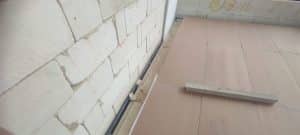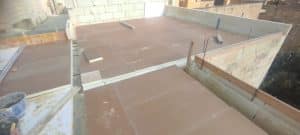
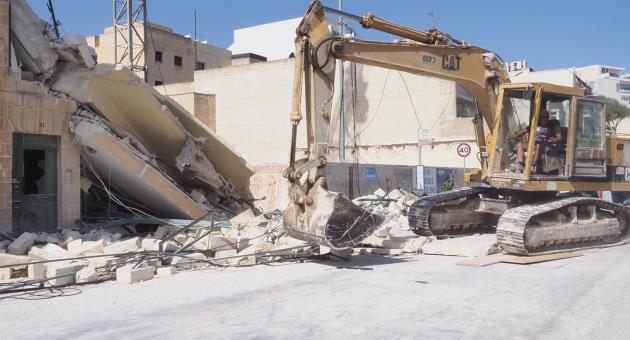
When people think of Malta’s booming construction sector, images of shiny new buildings, modern offices, and elegant waterfront developments come to mind. But there’s a side to this growth that isn’t as glamorous: construction and demolition waste Malta.
This issue is far from minor. Every time an office block is renovated, an old hotel is demolished, or new residential complexes rise from the ground, tons of waste are generated—everything from concrete rubble to plasterboard, tiles, metals, and wood.
Handling this waste responsibly is essential, not just for environmental reasons but also for legal, financial, and community well-being. In this guide, we’ll explore exactly what construction and demolition waste in Malta involves, why it matters, and how it can be managed effectively.
If you’re a contractor, developer, or property owner, you’ll discover practical insights to keep your projects compliant and cost-efficient. And if you want professional support, you can always contact us at Kibitec to handle waste management the right way.
What is Construction and Demolition Waste in Malta?
Construction and demolition waste Malta refers to the materials generated during building, renovating, or tearing down structures. This type of waste is one of the largest waste streams in Malta, as the islands continue to grow and urbanize at a fast pace.
Typical components include:
- Concrete and bricks from old foundations.
- Tiles and ceramics from bathrooms and kitchens.
- Metals like steel, copper, and aluminum.
- Wood from doors, windows, and furniture.
- Plastics used in piping, insulation, and fittings.
- Hazardous waste, such as asbestos, chemicals, or paints.
Unlike household waste, construction debris is bulky and often difficult to dispose of. Some of it can be recycled, but much of it requires careful handling and compliance with Maltese environmental regulations.
1. Why Construction and Demolition Waste Malta is a Growing Issue
The islands’ rapid urban development is both a blessing and a challenge. Here’s why construction and demolition waste Malta has become such a pressing concern:
Limited Land
Malta’s small land area means landfill space is scarce. Every ton of waste takes up valuable space that could be used more productively.
Environmental Impact
Improper disposal can lead to soil contamination, air pollution from dust, and even marine pollution when waste ends up in the sea.
Legal Compliance
The Maltese government, aligned with EU waste directives, has strict rules on how construction waste must be disposed of or recycled. Contractors who ignore these rules risk fines of thousands of euros.
Community Pressure
Residents are increasingly vocal about noise, dust, and waste mismanagement. Developers who neglect responsible disposal may face reputational damage.
Financial Costs
Waste mismanagement often results in higher costs down the line—whether through fines, inefficient transport, or lost opportunities to recycle materials.
The scale of the problem means that construction and demolition waste Malta is no longer just an afterthought—it’s a core part of responsible building.
2. How Much Construction and Demolition Waste Does Malta Generate?
You might be surprised at the numbers. According to EU studies, construction and demolition waste accounts for about 25%–30% of all waste generated in Europe. In Malta, the percentage is even higher due to the intense pace of construction and limited landmass.
3. Recycling and Reuse: Turning Waste into Opportunity
Not all construction waste is destined for landfills. With the right systems in place, much of it can be recycled or reused, creating both environmental and financial benefits.
Recyclable Materials in Malta
- Concrete and rubble can be crushed and reused as road base or backfill.
- Metals like steel and copper have high resale value.
- Wood can be repurposed for furniture or energy generation.
- Plastics and glass can be processed for new construction materials.
Why Recycling Matters
- Reduces landfill pressure.
- Lowers disposal costs for contractors.
- Supports Malta’s commitment to EU circular economy goals.
- Enhances a company’s green credentials—important for winning public and private tenders.
In short, what starts as construction and demolition waste Malta doesn’t have to end up as waste. With professional planning, it can fuel new opportunities.
4. Legal Framework for Construction and Demolition Waste Malta
Handling construction and demolition waste Malta isn’t just about good practice—it’s the law.
Key Regulations
- Waste Management Regulations (LN 184 of 2011) set obligations for waste producers.
- Planning Authority Permits are required for demolition projects, including waste management plans.
- Environmental and Resource Authority (ERA) oversees compliance, especially for hazardous waste.
- EU Waste Framework Directive (2008/98/EC) requires Malta to recycle 70% of construction and demolition waste by 2025.
Contractor Responsibilities
- Keep detailed records of waste generated and where it goes.
- Use only licensed carriers and disposal facilities.
- Separate recyclable from non-recyclable waste.
Failure to comply can stop projects in their tracks. Choosing experienced providers like Kibitec ensures that all legal requirements are handled on your behalf.
5. The Role of Demolition in Waste Generation
Since demolition is one of the main sources of construction waste, it deserves special mention.
Every demolition—whether partial or complete—generates significant waste. That’s why planning waste management is a key part of the demolition process itself. For more background, check out this overview of demolition and its implications.
In Malta, where many old buildings are being replaced with modern developments, demolition waste often accounts for the bulk of construction debris. Professional demolition contractors not only bring down structures safely but also manage waste efficiently, ensuring recycling opportunities are maximized.
6. Why Professional Waste Management Services Matter in Malta
So, why not just rent a truck and haul the rubble yourself? Because construction and demolition waste Malta is far more complex than it looks. Professional services bring:
- Legal compliance – avoiding fines and legal action.
- Efficient logistics – faster, smoother projects.
- Cost savings – through recycling and bulk disposal rates.
- Environmental responsibility – minimizing impact on Malta’s fragile ecosystem.
- Reputation protection – developers seen as responsible win more contracts.
At Kibitec, we combine demolition expertise with waste management, meaning you don’t just get a cleared site—you get peace of mind that everything was handled correctly.
Innovative Solutions for Construction and Demolition Waste Malta
Malta’s unique geography means the country must innovate to manage waste effectively. Here are some of the most promising strategies being applied today:
Mobile Crushing Units
Instead of transporting rubble long distances, some contractors use mobile crushers on-site to process concrete into reusable aggregate. This reduces transport costs and landfill use.
Material Sorting Facilities
Dedicated facilities in Malta now separate metals, plastics, and wood from mixed waste, boosting recycling rates.
Digital Waste Tracking
Contractors are increasingly adopting digital logs to track where waste comes from and where it goes, ensuring transparency and legal compliance.
Circular Construction Practices
Some forward-thinking developers design projects with future recycling in mind—using materials that are easier to dismantle and reuse later.
Economic Opportunities Hidden in Waste
At first glance, construction and demolition waste Malta looks like a cost. But when handled strategically, it can actually create value.
Recycling Revenue
Metals, in particular, are valuable. Selling salvaged steel, aluminum, or copper can offset demolition costs.
Lower Disposal Costs
Recycling is often cheaper than landfill disposal, especially for bulk materials like concrete.
Job Creation
The recycling and waste management sector creates skilled jobs for Maltese workers, from machine operators to environmental engineers.
Competitive Advantage
Developers who promote sustainable practices often attract more investors and clients, boosting long-term profits.
So, while waste is unavoidable, smart management turns it into opportunity.
Future Trends in Construction and Demolition Waste Malta
As Malta’s population grows and its construction sector expands, the future of waste management will be shaped by new policies and technologies. Here’s what to expect:
Stricter Regulations
The EU requires Malta to recycle 70% of construction and demolition waste by 2025. Expect tougher enforcement, higher fines, and more audits.
Expanded Recycling Facilities
To meet targets, Malta is likely to invest in new waste processing plants capable of handling larger volumes of mixed waste.
Incentives for Green Practices
Tax breaks or subsidies for developers who prioritize recycling and eco-friendly waste disposal may become more common.
Smarter Demolition Practices
Robotics, drones, and AI-powered tools will streamline demolition, making waste separation more efficient from the start.
Public Awareness
Residents are increasingly concerned about sustainability. Companies that demonstrate eco-friendly demolition and waste management will enjoy stronger reputations.
Why Professional Help is Essential
It’s tempting to see waste management as a side issue, but in Malta’s tightly regulated environment, it’s a core business priority. Trying to cut corners can lead to massive setbacks:
- Illegal dumping → fines up to 50,000.
- Improper asbestos removal → immediate project shutdown.
- Non-compliance with recycling targets → refusal of permits for future projects.
Professional services ensure:
- Full compliance with Maltese and EU regulations.
- Cost savings through efficient logistics and recycling.
- Peace of mind knowing everything is handled legally and safely.
At Kibitec, we manage not only demolition but also waste handling, recycling, and legal compliance—so you don’t have to.
Why Choose Kibitec for Construction and Demolition Waste Malta
Here’s why developers and property owners across Malta trust us:
- Experience – Years of expertise in managing demolition and waste across residential, commercial, and industrial sites.
- Complete Solutions – From permits to site clearance, we cover everything.
- Transparent Pricing – Quotes in euros with no hidden costs.
- Eco-Friendly Practices – Recycling and sustainable disposal at every step.
- Client-Centric Approach – Projects delivered on time, on budget, and in full compliance.
If your project involves construction and demolition waste Malta, we’re here to make the process smooth, safe, and sustainable.
Ready to Take the Next Step?
Don’t let waste management become the stumbling block in your project. Our expert team is ready to help you handle construction and demolition waste Malta efficiently and legally.
👉 Contact Us Today: https://kibitec.com/contact-us/
Check Out Our Services
Explore our full demolition and excavation solutions here:
We provide reliable, professional services tailored to your project’s needs.
Final Thoughts
Construction and demolition waste Malta isn’t just a byproduct of building—it’s a challenge that defines the sustainability of the entire construction industry. With space running out, regulations tightening, and public expectations rising, businesses can no longer afford to ignore waste management.
Handled poorly, it creates legal, financial, and environmental headaches. Handled well, it creates opportunities for savings, sustainability, and stronger reputations.
The good news? With professional partners like Kibitec, you don’t have to manage it alone. From planning to recycling, we’re here to make sure your project succeeds—responsibly and efficiently.