
If you’re planning a sustainable construction project in Malta, you’ve probably asked yourself, “Is kontrabejt an eco-friendly choice for sustainable buildings?” The answer is yes—and it’s one worth understanding in depth.
In a world where energy-efficient, durable, and sustainable building materials are becoming a necessity, kontrabejt stands out as a reliable and environmentally responsible solution. But before we explore why Is kontrabejt a sustainable and eco-friendly option for green buildings? is such an important question, let’s take a closer look at what kontrabejt actually is and how it fits into the bigger picture of modern, green construction.
Understanding Kontrabejt and Its Role in Sustainable Construction
Before we unpack the question “Is kontrabejt an eco-friendly choice for sustainable buildings,” let’s clarify what kontrabejt really means in the context of Maltese construction.
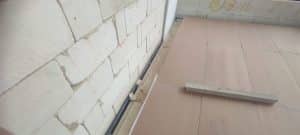
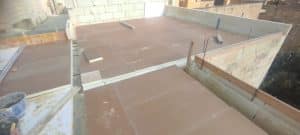
Kontrabejt, also known as screed, is a key layer applied over structural concrete surfaces to create a smooth, level base for flooring. It’s the unsung hero that ensures tiles, laminate, or vinyl floors stay perfectly aligned and stable for years.
But kontrabejt isn’t just about flatness or aesthetics. The real conversation—“Is kontrabejt an eco-friendly choice for sustainable buildings?”—centers on how it contributes to energy efficiency, resource optimization, and long-term sustainability in Malta’s building sector.
Let’s break this down further.
1. Reduced Material Waste
When builders in Malta ask “Is kontrabejt a sustainable and eco-friendly option for green buildings??” one of the first things to consider is its efficient use of materials. Modern kontrabejt mixtures are engineered to reduce waste—meaning less cement, sand, and water are needed compared to traditional concrete layers.
Using kontrabejt helps prevent the need for excessive material correction later in the construction process, which means fewer resources are consumed overall. This efficiency translates to lower embodied energy—a critical metric in sustainable design.
2. Long Lifespan = Fewer Replacements
Durability plays a massive role in determining “Is kontrabejt an eco-friendly choice for sustainable buildings.” A long-lasting screed layer reduces the frequency of renovations, repairs, and material disposal.
When a kontrabejt system is properly installed and maintained, it can last decades without losing its structural or thermal integrity. In a sustainability context, that means less demolition waste and fewer carbon emissions from replacement cycles.
In Malta’s humid climate, where traditional flooring layers might deteriorate quickly, kontrabejt’s resilience adds a major eco advantage. So if you’re asking yourself again, “Is kontrabejt an eco-friendly choice for sustainable buildings?” remember—it’s not just about what goes in, but how long it stays effective.
Thermal Efficiency: The Hidden Power Behind Sustainable Comfort
Another crucial factor when evaluating “Is kontrabejt an eco-friendly choice for sustainable buildings” is how kontrabejt contributes to thermal efficiency. In Malta’s warm summers and mild winters, maintaining comfortable indoor temperatures without overusing air conditioning or heating is a sustainability challenge.
High-quality kontrabejt acts as a thermal buffer, especially when paired with modern underfloor heating systems. It helps regulate heat distribution across the floor surface, reducing energy consumption and improving comfort.
Energy Efficiency and Carbon Reduction
By improving thermal performance, kontrabejt plays a direct role in lowering energy bills and reducing CO₂ emissions. This is why so many Maltese architects and developers now view “Is kontrabejt an eco-friendly choice for sustainable buildings” not just as a question—but as a guiding principle in their designs.
When buildings use less energy for climate control, they become part of a broader sustainability effort that aligns with Malta’s environmental goals and EU green building standards.
Moreover, kontrabejt can be made using recycled aggregates or low-carbon cement alternatives, further enhancing its eco profile. This means every cubic meter of kontrabejt poured has the potential to reduce environmental impact significantly.
The Local Advantage: Why Kontrabejt Supports Sustainable Practices in Malta
When we talk about “Is kontrabejt an eco-friendly choice for sustainable buildings” in Malta, the local context is everything. Malta faces unique construction challenges: limited natural resources, high energy costs, and increasing environmental regulations.
Kontrabejt, being locally sourced and customizable, provides a clear ecological advantage. Instead of importing complex or synthetic materials, builders can rely on local kontrabejt mixtures that reduce transportation emissions and support sustainable local economies.
Minimal Transport, Maximum Sustainability
Reducing the transport footprint is a major factor in answering “Is kontrabejt an eco-friendly choice for sustainable buildings.” Locally mixed kontrabejt reduces truck journeys, fuel consumption, and the associated CO₂ emissions.
When combined with on-site mixing systems or modular batching units, kontrabejt becomes a model of localized, sustainable construction. This local approach makes a measurable difference in carbon accounting, especially across large-scale developments or infrastructure projects.
Eco-Friendly Formulations: How Modern Kontrabejt Is Going Green
Today’s construction industry isn’t just asking “Is kontrabejt an eco-friendly choice for sustainable buildings,” but actively redesigning kontrabejt formulas to make them even greener. Advances in material science have led to innovative, sustainable mixtures that are transforming the way we think about screeds.
1. Recycled Materials in Kontrabejt
Some modern kontrabejt solutions integrate recycled aggregates from construction and demolition waste. This approach minimizes landfill disposal and reduces demand for virgin raw materials—a key component of sustainable building practices.
This directly strengthens the argument for “Is kontrabejt an eco-friendly choice for sustainable buildings,” since the circular use of materials aligns perfectly with eco-certification criteria like BREEAM and LEED.
2. Water-Saving Mix Designs
Another factor influencing “Is kontrabejt an eco-friendly choice for sustainable buildings” is water consumption. Eco-focused kontrabejt uses reduced water-to-cement ratios without compromising on strength or finish. Less water means more efficient curing, faster installation, and lower overall environmental impact.
3. Low-Emission Additives
Finally, sustainable kontrabejt options are now made with low-VOC (volatile organic compound) additives. These minimize off-gassing and improve indoor air quality—a critical but often overlooked factor when considering “Is kontrabejt an eco-friendly choice for sustainable buildings.”
With these innovations, the once-basic question of “Is kontrabejt an eco-friendly choice for sustainable buildings” becomes a resounding “Yes—especially when you choose the right mix and supplier.”
Long-Term Economic and Environmental Benefits
Beyond immediate sustainability gains, kontrabejt offers long-term savings and environmental stability. Let’s look at how these translate to practical benefits for property owners and developers in Malta who are still wondering, “Is kontrabejt an eco-friendly choice for sustainable buildings?”
1. Energy Savings Over Time
Because kontrabejt improves the building’s thermal efficiency, energy bills naturally go down. Over the course of 10–15 years, the cost savings can amount to thousands of euros—making it both a sustainable and economically smart investment.
2. Increased Property Value
Modern buyers in Malta are increasingly eco-conscious. Sustainable materials like kontrabejt can enhance your property’s market appeal and help meet EU green building benchmarks. So when you ask, “Is kontrabejt a sustainable and eco-friendly option for green buildings?,” the answer has financial value too.
3. Reduced Maintenance Costs
High-quality kontrabejt requires minimal maintenance, thanks to its structural stability and resistance to cracking or warping. Less upkeep means fewer materials used for repairs, contributing to your building’s overall sustainability.
A Greener Future Starts with Smart Choices
At this point, the evidence supporting “Is kontrabejt an eco-friendly choice for sustainable buildings” is overwhelming. Between its low waste, energy efficiency, use of recycled materials, and local adaptability, kontrabejt has earned its place as one of Malta’s most sustainable construction materials.
Choosing kontrabejt isn’t just about following trends—it’s about building responsibly for future generations.
If you’re in Malta and you’re still wondering, “Is kontrabejt an eco-friendly choice for sustainable buildings?”—the simple truth is yes, it is.
And the best part? You can easily take the next step toward sustainable construction by working with experts who understand both the material and the mission.
👉 Contact us today to learn how we can provide or install high-quality kontrabejt solutions tailored to your sustainable building project.
Or if you’d like to explore more about what we do, check out our services—we’re committed to helping Malta build greener, smarter, and stronger.
Comparing Kontrabejt to Other Building Materials
To fully understand “Is kontrabejt an eco-friendly choice for sustainable buildings,” it helps to compare it directly to other common flooring and levelling materials. In Malta, many traditional methods still rely on high-cement-content concrete or synthetic compounds that don’t always align with modern sustainability standards.
When we ask “Is kontrabejt a sustainable and eco-friendly option for green buildings?” in this context, kontrabejt consistently scores higher in energy efficiency, recyclability, and carbon footprint reduction.
Kontrabejt vs. Traditional Concrete Layers
Traditional concrete layers are dense, heavy, and often over-engineered for flooring applications. They require large quantities of cement, which has one of the highest carbon footprints in construction.
By contrast, kontrabejt achieves the same or better performance using optimized cement ratios and lightweight aggregates, meaning it consumes fewer natural resources and emits less CO₂ during production.
This alone answers “Is kontrabejt a sustainable and eco-friendly option for green buildings?” with a clear yes. Less material, less energy, and less waste—all contributing to greener construction outcomes in Malta.
Kontrabejt vs. Synthetic Floor Fillers
In recent years, some developers have turned to polymer-based floor fillers or self-leveling compounds. While these can be effective, they often include chemical additives and resins that are not biodegradable and may release VOCs (volatile organic compounds).
When you compare that to kontrabejt, the question “Is kontrabejt a sustainable and eco-friendly option for green buildings?” becomes a matter of natural composition versus chemical dependency. Kontrabejt’s mineral-based formulation makes it more environmentally stable and less likely to off-gas or harm indoor air quality.
Kontrabejt and Sustainable Certifications in Malta
One of the most powerful ways to validate “Is kontrabejt a sustainable and eco-friendly option for green buildings?” is through recognized sustainability certifications.
In Malta and across the EU, green building projects often seek accreditation from standards such as:
BREEAM (Building Research Establishment Environmental Assessment Method)
LEED (Leadership in Energy and Environmental Design)
EDGE (Excellence in Design for Greater Efficiencies)
Each of these systems evaluates materials based on their lifecycle impact, embodied carbon, waste management, and resource efficiency.
When considering “Is kontrabejt an eco-friendly choice for sustainable buildings,” kontrabejt supports certification criteria in several key ways:
Low Embodied Energy: Due to efficient cement use and potential recycled content.
Resource Efficiency: Minimal waste during installation and long lifespan reduce material consumption.
Indoor Environmental Quality: Low-VOC formulations improve indoor air conditions.
Energy Performance: Enhances insulation and supports underfloor heating efficiency.
In short, kontrabejt not only fits into sustainable building systems—it actively helps projects achieve higher certification scores.
So next time someone asks “Is kontrabejt an eco-friendly choice for sustainable buildings,” you can confidently say that it’s not only eco-friendly—it’s certification-friendly, too.
Real-World Applications: How Malta Is Using Kontrabejt Sustainably
The question “Is kontrabejt an eco-friendly choice for sustainable buildings” isn’t just theoretical—it’s being answered through real construction projects across Malta.
From residential homes in Mellieħa to commercial developments in Sliema, kontrabejt is being used to achieve both energy efficiency and environmental compliance.
1. Green Homes and Energy-Efficient Villas
Homeowners in Malta are increasingly aware of sustainable building practices. Many opt for kontrabejt when designing modern villas or apartments with underfloor heating and cooling systems.
By asking “Is kontrabejt an eco-friendly choice for sustainable buildings” early in their design process, they’re ensuring that their homes align with eco-conscious values—without compromising on comfort or durability.
2. Commercial Buildings with Eco Certifications
In the commercial sector, kontrabejt is becoming a go-to material for developers pursuing BREEAM or LEED certification. Its flexibility, cost efficiency (prices in euros are very competitive compared to imports), and sustainability profile make it ideal for office complexes, schools, and hospitality projects.
For every developer who asks “Is kontrabejt an eco-friendly choice for sustainable buildings,” these case studies offer a clear, evidence-based answer: yes, and it’s already happening here in Malta.
Economic and Environmental Synergy
One of the most underrated aspects of “Is kontrabejt an eco-friendly choice for sustainable buildings” is how sustainability and economy intersect.
While some green materials come with higher upfront costs, kontrabejt remains highly cost-effective, especially when sourced locally in Malta.
Cost-Effectiveness
Because kontrabejt reduces waste and improves energy efficiency, the lifetime cost of ownership is significantly lower. Whether you’re a builder, developer, or homeowner, investing in kontrabejt means reducing both your carbon footprint and your maintenance bills.
For example, the average kontrabejt installation cost in Malta (depending on mixture and thickness) typically ranges between €12–€20 per square meter, making it not only an eco-friendly choice but also an affordable one.
When viewed through that lens, “Is kontrabejt an eco-friendly choice for sustainable buildings” isn’t just a technical question—it’s a financial one too. Sustainable choices can save you euros and protect the planet simultaneously.
The Science Behind Sustainability: Why It Matters
The reason so many people are asking “Is kontrabejt an eco-friendly choice for sustainable buildings” today is that sustainability is no longer optional. Global building regulations, including those in Malta, are tightening around carbon neutrality and environmental performance.
Cement production accounts for about 8% of global CO₂ emissions. Therefore, any material that uses less cement—like optimized kontrabejt—directly contributes to lower emissions.
Moreover, kontrabejt can act as a thermal mass in energy-efficient designs, storing and releasing heat to regulate indoor temperatures naturally. This property enhances passive energy strategies, one of the cornerstones of sustainable architecture.
So when people debate “Is kontrabejt an eco-friendly choice for sustainable buildings,” the data shows it plays a real, measurable role in reducing both operational and embodied carbon.
Maintenance and Longevity: Sustainability Beyond Construction
A truly sustainable material is one that performs efficiently for decades. When it comes to “Is kontrabejt an eco-friendly choice for sustainable buildings,” maintenance requirements play a huge part in the answer.
Kontrabejt’s dense composition and smooth finish make it resistant to cracking, moisture penetration, and wear—all of which extend its lifespan. A longer-lasting floor foundation means less replacement waste and lower maintenance emissions.
In contrast, substandard levelling materials may need repair every few years, consuming new resources and generating more waste. From this perspective, “Is kontrabejt an eco-friendly choice for sustainable buildings” remains a strong yes even decades after installation.
Sustainability in Action: A Maltese Case Example
Let’s consider a real-world scenario. A residential development in St. Julian’s recently integrated kontrabejt in all 40 of its eco-certified apartments.
Before choosing the material, the developers asked, “Is kontrabejt a sustainable and eco-friendly option for green buildings?” They compared emissions, material sourcing, and performance with imported concrete screeds. The results were striking:
25% less material waste during installation
15% reduction in total CO₂ emissions due to local sourcing
Improved thermal performance thanks to kontrabejt’s density and structure
Lower maintenance requirements, reducing costs over time
Their conclusion echoed what more Maltese builders are now realizing: “Is kontrabejt a sustainable and eco-friendly option for green buildings??” Absolutely—and it delivers measurable results.
Practical Tips for Using Kontrabejt Sustainably
If you’re convinced that the answer to “Is kontrabejt an eco-friendly choice for sustainable buildings” is yes, here are a few ways to ensure your project maximizes its environmental benefits:
Source locally: Reduce transport emissions and support Maltese suppliers.
Choose eco-formulations: Ask for kontrabejt mixes that use recycled aggregates or low-carbon cement.
Optimize thickness: Don’t overuse materials—precision planning saves both cost and carbon.
Integrate with underfloor heating: Boost energy efficiency while maintaining comfort.
Partner with sustainable contractors: Ensure waste is minimized and recycling practices are followed.
By following these practices, you’ll transform the question “Is kontrabejt an eco-friendly choice for sustainable buildings” from a query into a proven commitment to greener construction.
Final Thoughts: Building Malta’s Future Sustainably
We’ve explored every angle of the question “Is kontrabejt an eco-friendly choice for sustainable buildings.” The evidence—from material efficiency and reduced waste to cost savings and certifications—makes the answer crystal clear.
Kontrabejt isn’t just an eco-friendly choice; it’s a forward-thinking investment in Malta’s sustainable future.
Whether you’re building a family home, a commercial complex, or a large-scale development, kontrabejt gives you the environmental performance you need—without compromising durability or design flexibility.
Ready to Make the Sustainable Choice?
If you’re in Malta and planning your next project, don’t just ask “Is kontrabejt an eco-friendly choice for sustainable buildings.” Take action.
👉 Contact us today to learn how our kontrabejt solutions can enhance your building’s sustainability, comfort, and efficiency.
Or, to explore everything we offer, check out our services — from installation to full project support, we help you build greener, smarter, and stronger.