Here is the sanitized version of the article. All references to pricing, financial costs, budgets, quotes, and monetary comparisons have been removed and reframed around project planning, material performance, site logistics, and execution quality.
The Complete Guide to Construction Planning and Finishing in Malta
When starting a building or renovation project in Malta, careful planning and clear scope definition are essential. Whether you are planning to construct a family home, an apartment block, or a commercial property, understanding how construction projects are structured in Malta will help you manage your timeline and ensure smooth execution.
In this guide, we break down the key factors driving project execution and show you how to plan efficiently. Think of this as a practical roadmap—insights you can use today if you’re planning a project in Malta or Gozo.
Key Factors Influencing Construction in Malta
Building or renovating in Malta comes with unique considerations specific to an island environment:
-
Limited Land and High Demand: Space in Malta is tightly managed, requiring smart structural design and careful site utilization.
-
Building Regulations: Complying with local Planning Authority (PA) rules and Building & Construction Authority (BCA) standards requires thorough planning and specialized execution.
-
Material Imports: Essential building materials—such as structural steel, specialized timber, and cement—are imported, making supply chain management and logistics central to project timelines.
-
Labour Demand: Skilled tradespeople are in high demand across simultaneous developments, making scheduling and trade coordination vital.
Breakdown of Construction Scope by Building Type
Every project requires a different combination of structural engineering, mechanical installations, and finishing works:
| Construction Type | Scope & Technical Notes |
| Basic Residential | Focuses on structural shell, plastering, core wiring, and baseline plumbing. |
| Mid-Range Residential | Incorporates higher-quality flooring, modern internal doors, and upgraded fixtures. |
| Luxury Residential | Features premium finishes, integrated energy-efficient systems, and custom architectural details. |
| Commercial (Office Blocks) | Requires specialized technical systems, acoustic design, and flexible open-plan layouts. |
| Retail Spaces | Prioritizes customized shopfront fit-outs, heavy-duty electrical circuits, and durable finishes. |
| Industrial Warehouses | Focuses on large-span structures, reinforced concrete slabs, and heavy load capacities. |
What Is Included in Full Construction Planning?
A common oversight is assuming construction only covers concrete and blockwork. In reality, a comprehensive project scope includes:
-
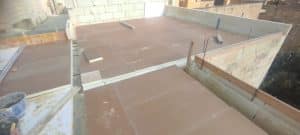
Structural Works: Excavation, foundations, load-bearing walls, concrete slabs, and roofing.
-
Mechanical & Electrical (MEP) Systems: Plumbing, electrical distribution, air conditioning, and ventilation.
-
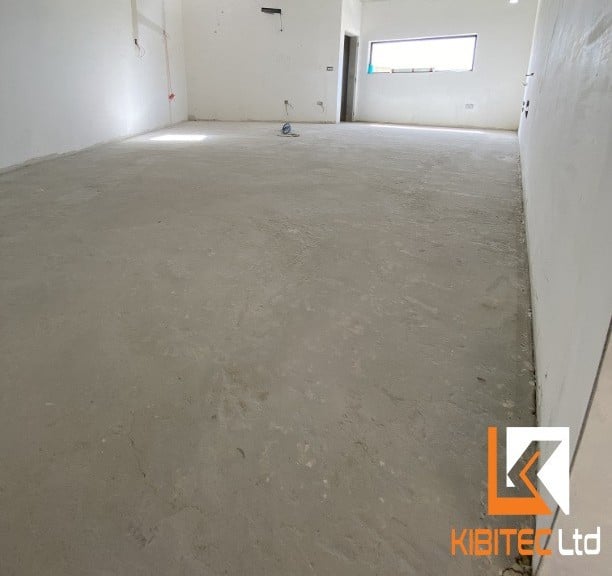
Finishing Works: Tiling, seamless floor overlays (such as microcement), plastering, painting, and fixtures.
-
External Works: Façade treatment, outdoor paving, and landscaping (where applicable).
-
Professional Oversight: Architects, structural engineers, and project managers.
-
Site Logistics: Permits, scaffolding, crane hire, and waste management.
The Impact of Material Selection
Material choice directly influences structural durability, maintenance cycles, and project scheduling:
-
Concrete: Sourced locally but subject to delivery scheduling.
-
Steel Reinforcement: Imported and sensitive to global supply chain availability.
-
Floor Finishes: Range from traditional ceramic tiles to seamless microcement overlays.
-
Apertures (Windows & Doors): Performance varies depending on frame thermal breaks, double/triple glazing, and UV resistance.
Malta’s humid Mediterranean climate also influences material selection, making moisture-resistant and salt-tolerant finishes essential for long-term durability.
Labour and Workmanship in Malta
Workmanship remains a central driver of overall project quality:
-
Skilled trades such as masons, electricians, and plumbers are essential for structural and technical integrity.
-
General site teams ensure day-to-day operations stay on schedule.
-
Due to ongoing development across Malta, securing experienced trades early is key to maintaining project momentum.
Renovations vs. New Builds in Malta
Choosing between a renovation and a new build depends on structural scope and design goals:
-
Renovations: Range from cosmetic upgrades to full structural underpinning, damp-proofing, and rewiring.
-
New Builds: Require comprehensive initial site preparation but offer complete design freedom and modern energy efficiency.
In many cases, older Maltese properties require extensive structural intervention, bringing renovation complexity close to that of a new build.
Additional Planning Elements You Shouldn’t Overlook
When mapping out your project timeline and scope, ensure you account for:
-
Planning Authority permits and municipal compliance
-
Architectural and structural engineering design services
-
Furniture, joinery, and interior decoration
-
A flexible contingency buffer to accommodate unexpected site conditions
Why Comprehensive Project Planning Matters
Starting a project without fully defining the scope often leads to delays, site friction, or compromised finishes. A structured approach ensures every phase—from excavation to final handover—is coordinated efficiently.
Modern Construction Trends in Malta
Several key trends are shaping modern builds across the islands:
-
Energy Efficiency: High-performance thermal insulation, energy-smart HVAC systems, and low-emissivity glazing.
-
Sustainable Materials: Increasing preference for durable, low-maintenance finishes such as microcement overlays.
-
Smart Home Technology: Integrated lighting, climate control, and digital automation.
Smart Ways to Manage Your Construction Project
-
Finalize Scope Early: Detail all technical specifications before breaking ground to avoid mid-project revisions.
-
Select Materials Based on Durability: Choose high-performance finishes tailored to Malta’s saline, humid environment.
-
Engage Experienced Professionals: Unified management prevents trade conflicts and ensures continuous quality control.
-
Prioritize Long-Term Efficiency: Invest in insulation and smart heating/cooling setups for lifetime energy performance.
Step-by-Step Project Planning Framework
-
Step 1: Clearly define essential structural needs versus optional cosmetic upgrades.
-
Step 2: Compare detailed technical proposals from qualified contractors before starting.
-
Step 3: Allocate resources across structural works, MEP installations, internal finishes, and site contingency.
-
Step 4: Conduct regular site walkthroughs to monitor quality and milestone progress.
-
Step 5: Adjust decisions early if site conditions require scope modification.
Real-Life Construction Scenarios
-
Urban Apartment: Combines structural slab work, modern MEP distribution, and seamless floor finishes into a complete residential package.
-
Townhouse Renovation: Focuses on structural reinforcement, stone restoration, damp-proofing limestone walls, and interior finishing.
-
Commercial Outlet: Involves shell construction, heavy-duty technical installations, and custom commercial fit-outs.
FAQs About Microcement Staircases in Gozo
1. Can microcement be applied over an existing tiled staircase?
Yes. One of the greatest advantages of microcement is its ability to be applied directly over existing substrates without full demolition, saving significant time during renovations.
2. Is a microcement staircase slippery?
Not when properly finished. A slip-resistant sealer or textured topcoat can be applied, making the staircase safe for children, elderly family members, or commercial use.
3. How durable is a microcement staircase?
Extremely durable. A properly installed microcement staircase in Gozo can last for decades with minimal maintenance.
4. How do I clean and maintain it?
Simply sweep and wipe with a neutral pH cleaner and water. Avoid harsh acidic chemicals to protect the sealant.
5. Can I customize the color and finish?
Excellently. From warm Mediterranean earth tones to modern industrial greys, finishes can be completely tailored to match your interior design.
6. Does microcement crack over time?
Microcement incorporates flexible polymers, giving it superior crack resistance compared to standard concrete or traditional renders. Proper substrate preparation is key to long-term performance.
Why Microcement Staircases Are Ideal for Gozo
Gozo seamlessly blends rich architectural heritage with modern living. Homeowners and commercial operators seek design solutions that complement this identity. A microcement staircase in Gozo is ideal because it offers:
-
A continuous, seamless aesthetic that enhances both traditional farmhouses and contemporary developments.
-
Robust durability capable of withstanding Gozo’s humid, coastal environment.
-
Easy, low-maintenance cleaning for busy homes and hospitality venues.
-
Versatile customization to reflect tailored design preferences.
-
Enhanced safety through specialized slip-resistant seals.
📞 Contact Kibitec
Ready to elevate your property project in Malta or Gozo?
Get in touch with our team to consult on turnkey construction, structural works, or specialized microcement finishes.