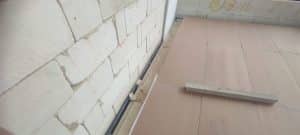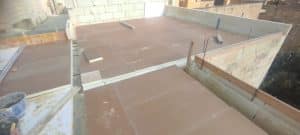

If you’re building or renovating in Malta, you already know that floors are more than just surface finishes—they’re the literal foundation of your interior design. Whether you’re planning to install tiles, microcement, wood, or polished concrete, the screed layer beneath is critical. But one big question often gets overlooked:
How long does screed last? | How Long Does Screed Last
It’s a fair concern. Flooring is a long-term investment, and the durability of your screed layer can make or break the entire structure. In this article, we’ll not only answer the question—how long does screed last—but also dig into the different factors that influence screed lifespan, signs of wear, how to extend its longevity, and when to repair or replace it.
If you’re in Malta and need durable screed for a new build, restoration, or turnkey construction project, this guide is your go-to resource. Let’s break it down.
Understanding the Basics: What Is Screed and Why It Matters | How Long Does Screed Last
Before we dive into durability, let’s quickly recap what screed actually is—and why it plays such a crucial role.
Screed is a thin layer of cement-based material poured over a concrete subfloor. Its job is to create a smooth, level surface upon which your final floor covering (tiles, wood, resin, etc.) is installed. In Malta, where many buildings are made with dense limestone or reinforced concrete, screed is essential for adjusting gradients and protecting underfloor heating systems.
There are several types of screed used in Malta, including:
Traditional sand-cement screed
Fibre-reinforced screed
Fast-drying screed
Liquid anhydrite screed
Each one has its own durability profile, but all aim to deliver strength, levelness, and resistance over time.
So, how long does screed last when done right? Let’s find out.
1. The Average Lifespan of Screed in Malta | How Long Does Screed Last
The short answer: 15 to 25 years—and sometimes even longer.
When applied properly and protected by a suitable floor covering, a screed layer in Malta can easily last two decades or more without significant issues.
Here’s a breakdown of typical screed lifespans by type:
| Type of Screed | Average Lifespan |
|---|---|
| Traditional Sand-Cement Screed | 15–20 years |
| Fibre-Reinforced Screed | 20–25 years |
| Liquid Flow Screed (Anhydrite) | 20–30 years |
| Fast-Drying Screed | 10–15 years (varies with conditions) |
Of course, several factors affect these numbers, such as traffic levels, humidity, installation quality, and floor covering type.
In residential homes in Malta—especially those with ceramic tile or vinyl finishes—screed can remain structurally sound for decades. In commercial spaces with higher loads, like hotels or retail areas, the wear rate is faster, but proper design can still keep the screed going strong for 15+ years.
2. Key Factors That Impact How Long Screed Lasts | How Long Does Screed Last
The question “how long does screed last” doesn’t have a one-size-fits-all answer. Let’s explore the major factors that influence the longevity of screed in Malta:
✅ Type and Quality of Screed Used | How Long Does Screed Last
Cheap or poorly mixed screed will degrade faster. That’s why ready-mix screeds, produced in controlled conditions, are a better option for consistent durability.
In Malta, fibre-reinforced or polymer-modified screeds are ideal for areas with shifting temperatures or underfloor heating.
✅ Installation Method | How Long Does Screed Last
Poor workmanship can lead to voids, cracks, and uneven surfaces. Always work with professionals to ensure proper substrate prep, screed depth, and curing.
👉 Looking for screed professionals? Contact us here for quality installation in Malta.
✅ Curing and Drying Conditions | How Long Does Screed Last
Rushing the drying process can cause irreversible damage. Malta’s humid coastal air can slow curing, so using additives or proper ventilation is key.
✅ Load and Traffic | How Long Does Screed Last
The more pressure and movement your floor experiences, the quicker the screed will wear out. Commercial kitchens, retail stores, and public spaces require higher-grade mixes.
✅ Floor Covering Type | How Long Does Screed Last
Tiled or epoxy-coated surfaces protect the screed better than carpet or bare finishes. Flooring acts like armor—choose it wisely.
3. Signs Your Screed Is Failing (And What To Do About It) | How Long Does Screed Last
Even the most durable screed has its limits. Here are warning signs that your screed may be nearing the end of its lifespan:
Cracks appearing on the surface
Hollow or “drummy” sounds when tapped
Loose tiles or uneven flooring
Excessive dusting or crumbling
Moisture issues rising from below
In many cases, these problems can be traced back to poor installation, inadequate curing, or subfloor movement.
What’s next?
Depending on the severity, you might:
Patch minor cracks with screed repair mortar
Remove damaged areas and rescreed partially
Fully remove and replace the entire screed layer
💶 Costs for removal and replacement in Malta range from €30–€60 per m², depending on the area size and screed type.
4. How to Extend the Life of Your Screed | How Long Does Screed Last
Want your screed to last 25+ years? It’s not luck—it’s smart planning and upkeep. Here’s how to maximize longevity:
✅ Use the Right Mix
Invest in high-quality ready-mix screed with additives tailored for your application—especially if you’re using underfloor heating or living in coastal towns like Marsaxlokk or Mellieħa.
✅ Ensure Proper Thickness
Standard screed should be at least 50mm thick. For heated floors or high-traffic areas, 65–75mm is recommended.
✅ Apply Correctly
Use experienced professionals. In Malta, temperature and humidity levels require local knowledge of drying times and site-specific adjustments.
✅ Cure Slowly and Correctly
Avoid rushing the curing process. Don’t install tiles or microcement too early, or you’ll trap moisture and weaken the screed.
✅ Protect It from Moisture
For ground floors and basements, install moisture barriers and use waterproof screeds when needed. Salt and humidity from the Mediterranean climate can creep in fast.
Is It Time to Replace Your Screed? Here’s How to Know | How Long Does Screed Last
You may not need to rip everything out—sometimes the top layer just needs attention. But when the structural integrity is compromised, full replacement is the only safe route.
Here’s when replacement is typically required:
Structural movement has caused large cracks or delamination
Damp issues have eroded the base layer
The existing screed doesn’t meet strength requirements for a new floor type
It’s more than 25–30 years old and showing multiple signs of failure
🏗️ For old Maltese townhouses being restored for modern living, replacing the original screed is often essential for modern insulation and heating systems.
Want an expert assessment? We’re here to help.
👉 Get in touch for a screed inspection and quote
We’ve already covered the average lifespan of screed, what affects its durability, and how to spot signs of wear. Now, let’s dive deeper into Malta-specific screed choices, real-life project insights, and the best ways to get long-term performance without breaking the bank.
5. Screed Options That Last the Longest in Malta | How Long Does Screed Last
Choosing the right type of screed isn’t just about today’s needs—it’s about how your floor will hold up for the next 10, 20, or even 30 years.
Here are the best long-lasting options for Maltese projects:
✅ Fibre-Reinforced Screed
Why it lasts: The addition of polypropylene fibres helps control shrinkage and increase tensile strength. This makes it ideal for high-traffic residential areas or offices.
Best for: Living rooms, corridors, light commercial spaces.
Lifespan: Up to 25 years with proper care.
✅ Liquid Flow Screed (Anhydrite)
Why it lasts: Liquid screeds self-level perfectly and surround underfloor heating pipes with no voids, preventing cracks and cold spots.
Best for: Large floor areas, underfloor heating.
Lifespan: Up to 30 years with proper maintenance and protection.
✅ Traditional Sand-Cement Screed
Why it lasts: Simple and reliable. When mixed and cured correctly, it offers strong compressive strength.
Best for: Budget-conscious projects and basic floor leveling.
Lifespan: 15–20 years.
✅ Polymer-Modified Screed
Why it lasts: Added polymers improve flexibility, reduce shrinkage, and increase bonding—especially useful in older Maltese buildings with slight floor movements.
Best for: Renovations, thin screeds, or overlaying.
Lifespan: 20–25 years.
💡 Pro Tip: For longevity in Malta’s humid environment, always ask for moisture-resistant screed if working on basements, garages, or coastal homes.
6. Budgeting for Long-Term Screed Performance | How Long Does Screed Last
Many Maltese property owners make the mistake of choosing the cheapest screed option upfront—only to face repairs, delays, and rework a few years down the line. Instead, plan smart from the start.
Here’s a breakdown of average screed prices in Malta (per m²) based on type and lifespan:
| Type of Screed | Approx. Price | Estimated Lifespan |
|---|---|---|
| Traditional Sand-Cement | €25–€30/m² | 15–20 years |
| Fibre-Reinforced | €30–€40/m² | 20–25 years |
| Polymer-Modified | €35–€45/m² | 20–25 years |
| Liquid Flow Screed | €40–€55/m² | 25–30 years |
🔧 Don’t forget: Proper surface prep, moisture barriers, and installation affect longevity just as much as the screed mix itself.
Need a custom quote based on your project size and requirements?
👉 Contact us now and we’ll guide you through the options.
7. Real-World Projects in Malta: How Screed Stands the Test of Time | How Long Does Screed Last
Let’s take a look at how screed performs in actual Maltese scenarios:
🏠 Renovating a Townhouse in Rabat
Situation: Original floors removed to install underfloor heating in a historic home.
Solution: Fibre-reinforced screed at 65mm thickness.
Result: Zero cracking after 5+ years, full compatibility with microcement finishing.
🏢 Commercial Office in Mrieħel
Situation: High foot traffic, needed flat floors with fast turnaround.
Solution: Fast-drying polymer screed installed over 200m² in 2 days.
Result: Office opened on schedule; screed still performing perfectly after 7 years.
🏖️ Seafront Apartment in St. Paul’s Bay
Situation: Humid conditions, risk of rising damp from sea-facing concrete.
Solution: Liquid anhydrite screed with moisture barrier.
Result: Floor coverings remained stable and dry after 10 years.
Each of these projects used professional screeding services from trusted local providers—because when it comes to how long does screed last, quality application is everything.
Frequently Asked Questions About Screed Durability | How Long Does Screed Last
❓ How long does screed last under tiles?
Up to 25 years, provided it’s installed on a stable base, cured correctly, and protected from moisture.
❓ Can screed last longer than 30 years?
In some residential cases, yes. Especially if the screed is covered and the load is minimal. However, expect the upper performance limit around 25–30 years.
❓ Do I need to replace screed when changing floor finishes?
Not always. If the screed is level, solid, and dry, you can often clean, prime, and apply a new finish like microcement or vinyl.
❓ What happens if screed is exposed to water?
Prolonged water exposure can lead to crumbling, cracking, and delamination. That’s why screed must be protected by membranes or floor coverings.
📞 Want Screed That Lasts? Contact Kibitec Today | How Long Does Screed Last
Now that you understand how long does screed last, it’s time to act on that knowledge.
At Kibitec, we provide high-quality screed supply and installation services across Malta. Whether you’re a builder, homeowner, or developer, we ensure your floors are built to last with:
Locally optimized mixes
Certified ready-mix delivery
Skilled screed technicians
Long-lasting results
👉 Contact us now to get a free quote or professional consultation:
📩 https://kibitec.com/contact-us/
🛠️ Check Out Our Screed Services | How Long Does Screed Last
From fibre-reinforced to fast-drying options, explore our full screed solutions for Malta-based projects here:
👉 https://kibitec.com/screed-malta/
We’ll help you choose the right screed for maximum durability—whether you’re building in Gozo, Valletta, or anywhere in between.
Final Thoughts: Plan Today, Protect Tomorrow | How Long Does Screed Last
Floor screed might not be the most visible part of your build, but it plays one of the most critical roles. Choosing the right type—and getting it installed properly—can give you decades of problem-free flooring.
So next time someone asks, how long does screed last?, you’ll know the answer: up to 30 years, if you do it right.
And if you need a hand doing it right in Malta, you already know who to call.