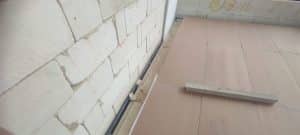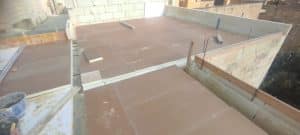

When it comes to flooring solutions in Malta, one term that’s quickly rising in popularity is liquid screed Malta. Whether you’re renovating your home, constructing a new commercial space, or managing a large-scale turnkey construction project, liquid screed is proving to be the go-to choice for builders, developers, and homeowners alike.
But what exactly is liquid screed, and why are so many in Malta making the switch from traditional screed options?
In this comprehensive guide, we’ll explore everything you need to know about liquid screed in Malta—from its composition and benefits to pricing, installation processes, and how to get it locally. Whether you’re curious about technical details or simply want to know if it’s worth the investment, we’ve got you covered.
1. What Is Liquid Screed Malta? A Smart Alternative to Traditional Options
Liquid screed, also known as flow screed or self-leveling screed, is a modern flooring solution made primarily from a mixture of fine aggregates and a binder—typically based on calcium sulphate (anhydrite) or cement.
Unlike traditional sand and cement screed, which requires labor-intensive leveling and drying, liquid screed Malta is pumped into the space and levels itself naturally. This results in a smoother, flatter surface with less manual work and faster drying times.
Why is it gaining traction in Malta?
With the local climate and construction standards becoming increasingly modernized, the demand for efficiency and durability has grown. That’s where liquid screed steps in—making it ideal for both residential and commercial environments in Malta.
2. The Main Benefits of Liquid Screed in Malta
Let’s face it—construction and renovation in Malta come with unique challenges. From humid conditions to irregular building layouts and strict project deadlines, choosing the right materials can make or break your project.
Here’s why liquid screed Malta is quickly becoming a favorite across the island:
✅ Superior Leveling Properties
Thanks to its fluid nature, liquid screed can flow into even the tiniest corners and gaps, creating a surface that’s practically flawless. This eliminates the inconsistencies that are often seen with hand-applied traditional screed.
✅ Fast Installation and Drying Time
One of the standout benefits is speed. On average, liquid screed can be installed at a rate of up to 2000 m² per day, depending on the pump and crew size. Plus, it dries faster than traditional screed, allowing you to proceed with flooring installations in a shorter timeframe.
For example, an anhydrite-based screed in Malta typically becomes ready for foot traffic within 24 to 48 hours—saving you days or even weeks of downtime.
✅ Perfect for Underfloor Heating Systems
If you’re installing underfloor heating (which is increasingly common in modern Maltese builds), liquid screed is your best bet. Its superior thermal conductivity ensures even heat distribution, and because it envelopes pipes more efficiently than sand and cement, it enhances the system’s performance and reduces energy costs.
✅ Reduced Cracking and Shrinkage
In Malta’s warm climate, traditional screed can be prone to cracking as it dries. Liquid screed, particularly when formulated with calcium sulphate, has minimal shrinkage and is far less likely to crack—leading to longer-lasting floors with fewer repair headaches.
3. Liquid Screed Malta vs. Traditional Screed: A Side-by-Side Comparison
Let’s break down the core differences between liquid screed and the traditional sand-cement mix commonly used in Malta.
| Feature | Liquid Screed Malta | Traditional Screed |
|---|---|---|
| Application Method | Pumped and self-leveling | Hand-mixed and manually leveled |
| Installation Speed | Up to 2000 m²/day | 100–150 m²/day |
| Drying Time | Walkable in 24–48 hours | Walkable in 5–7 days |
| Thermal Conductivity | High (ideal for UFH) | Moderate |
| Surface Flatness | Excellent | Variable |
| Cracking Risk | Low | Medium to High |
| Price (approx.) | €18–€28/m² (depending on thickness and area) | €12–€22/m² |
While traditional screed might seem cheaper upfront, the efficiency, longevity, and lower risk of repair with liquid screed often make it a smarter long-term investment—especially for time-sensitive turnkey construction projects.
4. How Is Liquid Screed Applied in Malta? Step-by-Step Overview
If you’re considering liquid screed in Malta for your home or commercial project, understanding the process can help you make informed decisions.
Here’s a simplified look at how it’s applied:
🔹 Step 1: Subfloor Preparation
The area must be thoroughly cleaned, and a polythene membrane is laid to prevent moisture ingress. If underfloor heating is being used, pipes are tested and secured in place.
🔹 Step 2: Perimeter Insulation and Expansion Joints
Insulation boards are installed to improve thermal efficiency and reduce sound transfer. Expansion joints may be added to large spaces to control movement.
🔹 Step 3: Pouring the Screed
The liquid screed is pumped directly onto the floor via a mobile pump. The material self-levels within minutes, spreading evenly across the room.
🔹 Step 4: Surface Finishing
A dappling bar is used to remove trapped air bubbles and ensure an even finish. After this, the screed is left to dry naturally.
🔹 Step 5: Curing and Drying
Typically, floors are ready for foot traffic within 24 to 48 hours, but full drying time (before laying tiles or flooring) varies based on thickness and ambient humidity. In Malta’s climate, expect 1 mm per day for the first 40mm, and slower after that—unless forced drying is used.
5. How Much Does Liquid Screed Cost in Malta?
Cost is always a critical factor. So how much should you budget for liquid screed Malta?
💶 General Pricing Guide
Standard Liquid Screed (Calcium Sulphate-based): €18–€28 per m²
Minimum project size: Typically around 50 m²
Additional costs:
Underfloor heating compatibility preparation: +€2–€4/m²
Rapid-drying additive: +€3/m²
Site setup or pump delivery (if remote): variable
Prices may fluctuate based on the complexity of the project, access conditions, and the volume ordered. For a precise estimate, it’s best to get a tailored quote.
➡️ You can get liquid screed Malta installed professionally or purchase it for your own contractor by contacting us at Kibitec.
6. Is Liquid Screed Suitable for All Property Types in Malta?
In short: yes, with a few considerations.
Whether you’re dealing with traditional Maltese stone houses in Mdina or modern apartments in Sliema, liquid screed Malta can be adapted to suit different builds.
However, here are some things to consider:
For Older Buildings:
Floors must be structurally sound.
Damp-proof membranes are a must.
Compatibility with original stone features should be assessed.
For New Builds:
Liquid screed is an excellent choice for large floor areas, especially where underfloor heating is involved.
It speeds up the construction schedule significantly.
For Commercial or Industrial Properties:
Higher durability screeds or surface hardeners can be added.
Excellent for office floors, schools, hospitals, and retail units.
Still unsure if your project qualifies? Contact us at Kibitec and we’ll advise you based on your site plans and requirements.
7. How to Prepare Your Space for Liquid Screed in Malta
Whether you’re a builder or a homeowner, proper prep work is key to a successful screed application. Cutting corners can result in delays, uneven surfaces, or long-term structural issues.
Here’s what you need to consider before installation begins:
✅ Check the Subfloor Condition
The substrate should be clean, stable, and free of cracks. Loose areas or movement in older buildings—especially common in Malta—may require reinforcement before screeding can start.
✅ Install Thermal and Acoustic Insulation
Depending on your floor structure and whether you’re installing underfloor heating, insulation boards (such as EPS or PIR) might be needed. These help with thermal efficiency and noise reduction, which is especially useful in multi-level properties or apartments.
✅ Lay a Damp-Proof Membrane
Given Malta’s variable humidity levels, a polyethylene barrier is essential. This prevents moisture from below affecting the screed’s drying process and ensures consistent curing.
✅ Fit Perimeter Strips and Expansion Joints
Edge strips and joints absorb natural movement from temperature changes, which helps prevent cracks and buckling. Large open-plan areas benefit most from these additions.
✅ Test and Secure Underfloor Heating
Planning to include a heated floor system? Ensure it’s pressure-tested for leaks and fully secured. The pipes should be filled during the pour to avoid floating within the screed.
8. Mistakes to Avoid During Floor Screeding Projects
Even though self-leveling screed is easier and quicker to install than traditional options, it still requires proper handling. Here are a few common errors to steer clear of:
❌ Skipping Moisture Testing
Don’t trust appearances—just because the surface looks dry doesn’t mean it’s ready for flooring. Use a proper moisture meter to confirm levels before laying tiles, laminate, or wood.
❌ Over-accelerating Drying
In the Maltese climate, it’s tempting to leave windows wide open or bring in fans. But over-drying can result in cracking. Always follow manufacturer-recommended curing protocols.
❌ Poor Preparation of the Base
Issues like debris, improperly sealed joints, or loose insulation boards beneath the screed can lead to uneven thickness or long-term failure. Take the time to do this part right.
❌ Choosing the Wrong Type of Screed
Not all formulations are created equal. Some are better for rapid drying, others for deep pours or higher strength. Consulting a specialist—like our team at Kibitec—ensures you choose the right product for your specific flooring system.
Need guidance? 👉 Contact us here for tailored recommendations.
9. Frequently Asked Questions
Q1: When can I walk on it after installation?
Typically within 24 to 48 hours. However, avoid placing heavy equipment on the surface until the product has fully cured.
Q2: Is it suitable for direct tile or wood installation?
Yes, but only once moisture content is at an acceptable level—generally below 0.5% CM. Always test before proceeding with your floor finishes.
Q3: Is it compatible with Malta’s older stone homes?
Absolutely, but preparation is essential. Breathable finishes and damp-proofing are especially important in historic buildings.
Q4: What’s the drying timeline like?
It varies by thickness and ambient temperature. A good rule of thumb: 1mm/day up to 40mm, then slower beyond that. Forced drying systems can help, especially in humid areas.
Q5: Is this solution eco-friendly?
Anhydrite-based versions, made using recycled materials, are a sustainable alternative. When combined with efficient underfloor heating, they significantly lower energy consumption.
10. Why More Maltese Projects Are Switching to This Screed Solution
Traditional sand-cement blends have long been the norm. But today’s developers, architects, and homeowners are seeking better efficiency, durability, and finish quality—especially on time-sensitive projects like turnkey construction.
This is where self-smoothing screed products shine. Thanks to their minimal shrinkage, faster curing, and suitability for modern flooring systems, they represent a significant upgrade over older methods.
Whether you’re renovating a townhouse in Valletta or fitting out a villa in Gozo, the ease and precision of this modern screed option make it a standout choice.
✅ Explore Our Screed Services
Interested in a high-performance screed for your project?
At Kibitec, we provide full installation services across the island. Our team works with top-grade materials suited to Malta’s unique climate, ensuring flawless results from start to finish.
We cater to:
Residential renovations and new builds
Commercial properties and retail spaces
Heating systems integrated beneath the screed
Architects and turnkey developers
➡️ Check out our screeding solutions and discover why so many Maltese clients trust us for their flooring foundations.
📞 Let’s Talk About Your Project
Thinking of upgrading your floors or starting a new build?
Our experts offer free consultations, site inspections, and no-obligation estimates. Whether you’re a homeowner or managing a large site, we’ll help you choose the right screed system and ensure everything is done to the highest standards.
👉 Get in touch today to request your quote or schedule a call.
✅ Final Thoughts: Why Smart Builders Choose Self-Levelling Screed
Let’s recap the main benefits:
⚡ Fast, clean, and precise installation
🔥 Outstanding heat conductivity (ideal for heated floors)
🧱 Minimal shrinkage and reduced risk of cracking
🏗️ Suitable for both heritage properties and new builds
♻️ Environmentally conscious option
💡 Cost-effective in the long run
Whether you’re after performance, efficiency, or a flawless floor finish, choosing this advanced screed solution in Malta is a decision you won’t regret.