
Whether you’re a homeowner revamping your floors or a contractor preparing a site in Malta, you’ve probably heard the term concrete screed tossed around. But what is a concrete screed, really? And more importantly—do you need one?
In this detailed yet easy-to-follow guide, we’ll break down what a concrete screed is, why it’s so vital, and how it fits into your next flooring or turnkey construction project. Spoiler alert: getting it right could save you time, money, and stress in the long run.
What Is a Concrete Screed? A Clear Definition| What Is a Concrete Screed
So let’s tackle the keyword right away: what is a concrete screed?
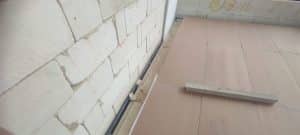
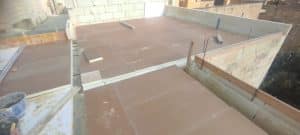
A concrete screed is a layer of material (typically cement-based) applied over a structural concrete base to create a smooth, level surface for the final floor finish. It’s usually composed of cement and sharp sand, mixed with water, and is laid with precision to ensure levelness and proper height.
But here’s the twist: the word screed can also refer to the tool or process used to level concrete. In this post, we’re focusing on the material layer—what you need to install between your concrete slab and your chosen floor finish (like tiles, wood, resin, or carpet).
Concrete Screed Is Not Just an Extra
In Malta, where property development often mixes old buildings with sleek new apartments, screeds are crucial. They serve as the perfect base for a flawless finish, whether you’re installing floors in a Gozo farmhouse or a Sliema penthouse.
If you’re asking what is a concrete screed, think of it as the difference between a bumpy mess and a seamless floor.
Why Use a Concrete Screed in Malta?| What Is a Concrete Screed
You might be tempted to skip the screed layer altogether—especially if your concrete slab already looks “good enough.” But here’s why that’s not a good idea.
1. It Creates a Level Surface
No matter how skilled your concrete pourer is, slabs rarely end up perfectly flat. A screed corrects any irregularities, bumps, or slopes so your final flooring doesn’t crack, wobble, or look unprofessional.
2. Improves Adhesion of Floor Coverings
Planning on laying tiles, vinyl, or resin? Without a screed, these finishes can lift, warp, or shift over time. A proper screed provides the ideal surface for adhesives and leveling compounds to work effectively.
3. Helps With Insulation and Underfloor Heating
Screed also plays an important role in thermal and acoustic insulation, which is vital in Malta’s climate. Plus, if you’re installing underfloor heating, the screed acts as a conductor, helping distribute heat evenly across the floor.
4. It’s Cost-Effective in the Long Run
The initial cost of screeding in Malta might range from €18 to €28 per square metre, depending on the type and thickness. While that might seem like an added expense, it’s much cheaper than dealing with cracked tiles or uneven flooring later on.
Types of Concrete Screed You’ll Find in Malta| What Is a Concrete Screed
Let’s now go a bit deeper. When someone asks what is a concrete screed, they’re really asking: which type of screed do I need?
Here are the main types commonly used in Malta:
1. Traditional Sand and Cement Screed
Composition: 1 part cement to 3-5 parts sand
Thickness: 50mm to 100mm
Curing Time: Around 24 to 48 hours for light foot traffic; full strength after 28 days
Best for: General purpose flooring in homes and commercial spaces
This is the most widely used screed type and offers good strength, especially for tiled surfaces.
2. Flowing Screed (Self-Levelling)
Composition: Usually anhydrite-based (calcium sulfate)
Thickness: 25mm to 50mm
Curing Time: Can be walked on after 24–48 hours
Best for: Large areas or underfloor heating installations
Flowing screeds are growing in popularity in Malta due to their speed of application and smooth finish. They’re also excellent at filling gaps and voids.
3. Polymer-Modified Screeds
Composition: Cement mixed with polymers for added flexibility
Best for: Areas that require fast setting or are subject to higher loads
These are more expensive—around €35 to €45 per m²—but they set faster and offer superior strength, making them ideal for high-traffic areas like shops and restaurants.
4. Bonded, Unbonded, and Floating Screeds
These are installation methods, not materials. Here’s a quick summary:
Bonded: Screed is applied directly to the concrete slab
Unbonded: A membrane separates the screed from the base
Floating: Screed is applied over insulation, usually for underfloor heating
Choosing the right installation method is just as important as selecting the material.
When (and When Not) to Use a Concrete Screed| What Is a Concrete Screed
So, what is a concrete screed good for—and when might you skip it?
Use a Concrete Screed When:
You want a perfectly level surface for flooring
Installing underfloor heating
Your existing slab is uneven or rough
You need to meet floor height requirements (e.g., flush thresholds)
You’re laying down tiles, vinyl, or wooden floors
You Might Skip It If:
You’re pouring a polished concrete floor and don’t need a finish layer
Your structural concrete is already level, sealed, and usable
Budget is extremely tight, and you’re going for raw industrial design (though this is rare in residential Malta)
Still, in most turnkey construction jobs in Malta, a screed layer is considered essential. Even developers who prefer polished concrete often apply a micro-thin screed just for level correction and consistency.
How Is Concrete Screed Installed? A Quick Walkthrough| What Is a Concrete Screed
If you’re still wondering what is a concrete screed from a process point of view, here’s a quick step-by-step guide:
Step 1: Preparation
Clean the concrete base
Apply bonding agents or membranes (depending on the method)
Set perimeter insulation and level marks
Step 2: Mixing
Mix the screed using a pump or pan mixer
Ensure the correct water-to-cement ratio
Polymer additives may be included
Step 3: Application
Pour the screed into sections
Spread using a straightedge or laser-guided screed bar
Compact and level it
Step 4: Finishing
Smooth using a trowel or power float
Leave expansion joints if needed
Step 5: Curing
Allow it to dry slowly under protective sheeting
Avoid walking on it for at least 24–48 hours
In Malta’s hot summers, proper curing is essential to prevent cracking or dusting. Most experts recommend curing compounds or wet coverings to maintain moisture levels.
Need Screeding in Malta? Let Kibitec Help| What Is a Concrete Screed
Whether you need screed installation for a villa in Madliena or a retail space in Valletta, Kibitec has the tools and expertise to deliver smooth, durable results.
You can buy screed materials or book professional services through us—just contact us here and we’ll guide you through the next step.
➡️ Want to know more about our screeding services in Malta?
Check out our service page here
Tools of the Trade: What Do You Use to Screed Concrete?| What Is a Concrete Screed
When asking what is a concrete screed, you might also be curious about what tools are essential to get the job done right. Whether it’s a basic DIY job or a professional installation in Malta, screeding requires precision, timing, and the correct gear.
Essential Screeding Tools
Straightedge or Screed Board
A straightedge—usually made from aluminum or magnesium—is used to level the freshly poured concrete. It helps remove excess material and smooth the surface.Bull Float
After leveling with a screed board, a bull float helps further smooth the concrete and brings moisture to the surface for a better finish.Trowel
Both manual and power trowels are used to finish off the surface and prepare it for curing or final treatment.Laser Screeds (for larger jobs)
On commercial or turnkey construction projects, laser-guided screeds are often used to ensure millimeter-perfect finishes across large concrete surfaces. Learn more about turnkey construction.Leveling Tripods & Depth Gauges
These help ensure a uniform depth of screed material, which is essential to avoid dips or bulges in the final surface.
How Much Does Screeding Cost in Malta?| What Is a Concrete Screed
This is a question we get a lot—and rightfully so. Whether you’re renovating a villa or prepping a commercial showroom, knowing the cost of screeding helps plan your budget accurately.
Average Screed Cost per Square Metre
In Malta, screeding a concrete floor typically costs between €15–€30 per square metre, depending on:
Type of screed (traditional sand/cement vs. self-levelling)
Thickness required
Surface preparation
Labour complexity
Accessibility of site
For example:
A 20mm bonded screed might cost around €17/m²
A 50mm unbonded screed with insulation layers might rise to €28–€30/m²
If you’re unsure how much your project would cost, it’s best to get in touch with professionals. We offer both supply and installation services for screeds across Malta.
👉 Contact us for a tailored quote
Should You DIY or Hire a Professional?| What Is a Concrete Screed
Concrete screeding might seem simple—pour, level, finish—but the reality involves a good deal of skill and timing. Here’s what you should know if you’re considering doing it yourself:
DIY Screeding: The Pros and Cons
Pros:
Lower upfront cost
Satisfaction of hands-on work
Cons:
Risk of uneven floors or cracking
Need to rent or buy tools
Physical effort and time-consuming
May void warranties for certain finishes or flooring
Why Hiring a Professional in Malta Makes Sense
Professionals know exactly how to mix, pour, and level screed to avoid long-term issues.
They often use advanced tools like laser levels and power screeds for better precision.
A skilled installer ensures the screed is compatible with your chosen floor finish (tile, microcement, etc.).
If you’re unsure, err on the side of caution and check out our screeding services. It could save you from costly repairs later.
Contact Us: Make Your Floor Perfect| What Is a Concrete Screed
Now that you know what is a concrete screed—and why it’s crucial—you’re one step closer to a floor that’s both functional and beautiful. Whether you’re building new, renovating old, or just planning ahead, Kibitec is here to help you achieve the ideal surface.
From residential homes to turnkey construction projects, we provide expert advice, materials, and installation tailored to Malta’s environment and building codes.
📞 Have questions or ready to book? Contact us today for a free consultation or quote.
Check Out Our Service: Screeding in Malta| What Is a Concrete Screed
Looking for premium screeding services on the island?
We’ve helped hundreds of Maltese homeowners and businesses get the smooth, long-lasting floors they need.
🔨 From fast-drying screeds to insulated solutions, our specialists have the tools, training, and local expertise you can count on.
👉 Check out our full screeding service here