
If you’ve been exploring modern flooring options for your renovation or construction project, you’ve likely come across the term screed. But exactly what is screed flooring—and why is everyone in the building and design world talking about it?
Whether you’re building from scratch in Mellieħa or renovating a stylish apartment in Valletta, understanding what is screed flooring can save you time, money, and future headaches. This post breaks it all down in plain English—so let’s get into it.
What Is Screed Flooring? A Simple Definition That Matters| What Is Screed Flooring
Let’s answer the big question right away: what is screed flooring?
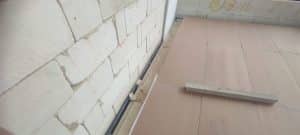
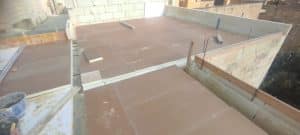
Screed flooring refers to a layer of material—typically sand and cement—applied over a structural concrete base to create a smooth, level surface before the final floor finish is laid. It’s not the decorative surface you see when the project is done, but it plays a critical role in supporting it.
In simpler terms, screed is like the undercoat of paint, the primer before the masterpiece. Without it, your tiles, microcement, parquet, or vinyl finish won’t look or perform the way they should.
In Malta’s hot, humid climate—where buildings expand and contract—screed flooring also offers important thermal and structural stability. It ensures your top layer stays beautiful and crack-free for years to come.
Types of Screed Flooring You’ll See in Malta| What Is Screed Flooring
Now that we’ve defined what is screed flooring, let’s dive into the different types. Each is used for specific purposes depending on the space, load requirements, and final floor finish.
1. Traditional Cement-Sand Screed
Composition: 1 part cement to 3–5 parts sharp sand
Thickness: 25 mm to 100 mm
Cost in Malta: Approx. €18–€28/m²
This is the most common type and is suitable for residential homes and light commercial spaces. It provides a durable, level surface but requires a long curing time—up to 28 days.
2. Liquid Self-Levelling Screed
Composition: Usually anhydrite (calcium sulphate) or cement-based
Application: Poured and spread automatically
Cost in Malta: €35–€50/m²
Ideal for large spaces, this screed flows naturally to find its level and is perfect under tiles or microcement. It offers faster application and can reach tighter tolerances than traditional methods.
3. Fast-Drying Screed
Drying Time: Ready for final floor in 3–7 days
Cost: €40–€55/m²
When time is tight (think rental properties or commercial renovations), this option is golden. Additives help speed up the drying without sacrificing strength.
4. Fibre-Reinforced Screed
Best For: Underfloor heating systems
Added Benefit: Crack resistance
Cost in Malta: €45–€60/m²
By blending in polypropylene fibres, this screed resists cracking and shrinkage—especially useful in Malta’s fluctuating temperatures and in turnkey construction projects where precision is key. Learn more about screeds in turnkey construction here.
Why Screed Flooring Is a Must for Your Project| What Is Screed Flooring
Understanding what is screed flooring is just the first step. The more important question might be—why does it matter so much?
Here’s why screed is essential in any serious construction or renovation project in Malta:
1. Creates a Perfectly Flat Base
Modern floor finishes like microcement or large-format tiles need a perfectly even surface to avoid cracking, hollow spots, or premature wear. Screed ensures your subfloor meets the required level tolerances.
2. Adds Strength and Durability
Especially in high-traffic areas like hallways or commercial properties, screed distributes weight evenly and adds a structural layer of support to the overall flooring system.
3. Accommodates Underfloor Heating
Screed encases underfloor heating pipes and ensures even heat distribution. Fibre-reinforced or liquid screeds are particularly effective for this.
4. Helps with Moisture Control
In humid environments like coastal Malta, screed can act as a moisture buffer. Combined with proper membranes, it helps prevent rising damp and protects the final finish.
5. Supports Smoother, Faster Final Installation
Want to apply vinyl, tiles, or microcement quickly and efficiently? Screed prepares your space for the final stage—ensuring quicker application and better results.
The Screed Installation Process (Step-by-Step)| What Is Screed Flooring
Now that we’ve explored what is screed flooring, you may be wondering what it actually involves. Here’s what the screeding process typically looks like in Malta:
Step 1: Subfloor Inspection
Your concrete slab is examined for cracks, voids, or contamination. Moisture levels are tested to ensure they’re suitable for screed application.
Step 2: Surface Priming or Damp-Proof Membrane
Depending on the site conditions, a damp-proof membrane may be applied to protect from moisture ingress.
Step 3: Screed Mixing and Pouring
The screed is mixed on-site or delivered pre-mixed. It’s then laid using screed rails or laser levelling tools.
Step 4: Compaction and Finishing
After pouring, the screed is compacted and smoothed using hand trowels or power floats.
Step 5: Curing Time
This is critical. Screed needs proper drying—anywhere from 3 days to 4 weeks depending on the type.
Skipping or rushing these steps leads to a subpar floor. At Kibitec, our team ensures every screed project in Malta is done by the book. Contact us for a free site assessment.
Costs of Screed Flooring in Malta (2025 Prices)| What Is Screed Flooring
Let’s break down the current cost of screed flooring per square meter in Malta:
| Type of Screed | Average Cost (€) |
|---|---|
| Cement-Sand Screed | €18 – €28/m² |
| Self-Levelling Screed | €35 – €50/m² |
| Fast-Drying Screed | €40 – €55/m² |
| Fibre-Reinforced Screed | €45 – €60/m² |
These prices include materials and labour but may vary based on:
Site accessibility
Floor condition
Screed thickness
Type of final floor finish (tiles, microcement, resin)
Want a tailored quote for your project? Click here to get in touch with us—we’re happy to help.
Do You Always Need Screed?| What Is Screed Flooring
No blog about what is screed flooring would be complete without answering this:
Can you skip screeding altogether?
Technically yes—but it’s risky.
You might avoid screeding if:
Your existing subfloor is already perfectly flat (rare)
You’re using a floating floor system with built-in insulation
You’re okay with a less polished finish
However, most professional installations in Malta include a screed as part of the standard preparation process. Especially for microcement, large tiles, or any finish requiring a high level of precision, screeding is non-negotiable.
✅ Check Out Our Screed Flooring Services| What Is Screed Flooring
Thinking about installing screed in your home, office, or retail space? We offer tailored screeding solutions across Malta, from small bathroom floors to full commercial developments.
👉 Click here to view our screeding services
📞 Want Personalised Guidance or a Custom Quote?| What Is Screed Flooring
Have questions about which screed is best for your project? Whether you’re just planning or ready to go, our team is here to help you from start to finish.
👉 Contact us now for professional advice and detailed estimates.
Continuing our deep dive into what is screed flooring, we’ll now explore more practical and technical aspects: how thick it should be, how long it needs to dry, common mistakes to avoid, and even a real-life case study from Malta to illustrate just how valuable proper screeding is in real-world projects.
How Thick Should Screed Be? (And Why It Matters)| What Is Screed Flooring
When clients ask us what is screed flooring, one of the next questions is almost always: How thick should it be?
The answer depends on several factors:
The type of screed
Whether underfloor heating is installed
The substrate condition
The final floor covering
Here’s a general guide to screed thickness:
| Screed Type | Minimum Thickness | Typical Use |
|---|---|---|
| Traditional sand & cement | 25–40 mm | Standard floors, tiles, microcement |
| Self-levelling (cement-based) | 3–10 mm | Precision finishes over flat slabs |
| Liquid anhydrite screed | 35–50 mm | Underfloor heating or large surfaces |
| Fibre-reinforced screed | 40–75 mm | High-traffic, heated floors |
If the screed is too thin, it can crack, delaminate, or disintegrate. If it’s too thick, it may dry unevenly, leading to warping or curling. That’s why choosing the right thickness is key to getting a floor that lasts—and looks great doing it.
Need help determining the correct thickness for your space in Malta? Contact us today, and we’ll assess your site conditions free of charge.
Screed Drying Time: Why You Should Never Rush It| What Is Screed Flooring
Next up: drying time—a crucial (and often overlooked) factor in any screed installation.
Here’s the deal: screed isn’t fully dry just because it feels hard. If it contains moisture inside, it can ruin your final floor finish—especially if you’re installing wood, vinyl, or microcement.
Drying Guidelines (Rule of Thumb)
Traditional screed: 1 day per mm up to 40 mm (e.g., 40 mm = 40 days)
Fast-drying screed: 3 to 7 days depending on brand
Self-levelling screed: 3 to 5 days
Heated screeds: May require up to 28 days plus gradual warm-up
A moisture test (CM test or digital probe) is essential before laying the top layer.
Skipping this step is one of the most common—and costly—mistakes we see on jobs in Malta. Trust us, redoing a microcement floor due to trapped moisture is something you never want to experience.
Screed vs. Other Subfloor Solutions: Which Is Better?| What Is Screed Flooring
While screed is the gold standard, it’s not the only option. Let’s compare screed to some alternatives:
| Underlayment Type | Strengths | Weaknesses |
|---|---|---|
| Screed | Level, strong, long-lasting | Requires skill and drying time |
| Plywood boards | Lightweight, fast to install | May flex or warp, not ideal for wet rooms |
| Backer boards | Water-resistant, suitable for wet areas | Expensive, not ideal for full floor coverage |
| Foam underlayments | Good for floating floors | Offers no strength or leveling properties |
So while alternatives have their place (especially in quick renovations), screed remains the best choice when you need:
A solid, level base
Resistance to heavy loads
Compatibility with heating systems
Long-term reliability
5 Common Screeding Mistakes to Avoid in Malta| What Is Screed Flooring
Whether you’re managing a renovation or overseeing a turnkey construction project, screeding mistakes can lead to expensive setbacks. Here are the most common errors we’ve seen:
1. Rushing the Drying Time
We get it—deadlines are tight. But rushing the drying process is a guaranteed way to end up with moisture issues and failed top finishes. Always check moisture levels before proceeding.
2. Skipping Surface Priming
Even the best screed can fail if it’s applied on a dusty, oily, or uneven concrete slab. Priming helps ensure proper bonding.
3. Inconsistent Mixing
Screed must be mixed to precise ratios. Too much water weakens the mix; too little makes it hard to apply and prone to cracking.
4. Uneven Application
Inadequate leveling can cause dips and high spots, making it impossible to install thin finishes like vinyl or microcement evenly.
5. Wrong Screed for the Application
Using a standard sand and cement mix over underfloor heating? Not a good idea. You need fibre-reinforced screed to avoid stress cracks.
Want it done right the first time? Reach out to Kibitec—our team of screeding specialists in Malta can assess, quote, and execute with precision.
Real-Life Screed Flooring Case Study: Sliema Seafront Apartment| What Is Screed Flooring
Let’s take a look at a recent project that perfectly illustrates what screed flooring can accomplish.
Project: Luxury apartment, 90 m² in Sliema
Client Goals: Microcement floors, underfloor heating, minimalist design
Challenge: Uneven substrate from an old concrete slab, visible dips up to 8 mm
Solution:
Applied fibre-reinforced liquid screed, 50 mm thick
Used laser-guided leveling tools for precision
Allowed a 10-day curing window before microcement installation
Sealed everything with a breathable epoxy primer
Outcome:
Perfectly level floors, even heat distribution
Zero cracks after 12 months
Client ecstatic with the seamless, stone-look finish
Total cost (screed + prep): Approx. €4,300
Duration: 2.5 weeks start to finish
Want results like this? Schedule a consultation with our team today.
Why Screed Flooring Is Ideal for Malta’s Climate| What Is Screed Flooring
When explaining what is screed flooring, we can’t ignore Malta’s environment.
High humidity, salty air, and fluctuating temperatures make durability and moisture control essential. Screed provides:
Thermal mass for better indoor climate control
A barrier between the concrete slab and final finish
A reliable layer for radiant heat installations
Long-lasting stability in coastal or inland homes
If you’re building or renovating in Malta, screed is not a luxury—it’s a necessity for any quality floor system.
Key Takeaways: What Is Screed Flooring—and Why Should You Care?| What Is Screed Flooring
Let’s wrap up our 3000-word guide with a quick summary of everything we’ve covered about what is screed flooring:
✅ It’s a layer of sand and cement (or other mix) applied over a concrete base to create a smooth, level surface.
✅ Screed is critical for floor stability, aesthetic finish, and moisture control.
✅ It comes in various types, including fast-drying, self-levelling, and fibre-reinforced options.
✅ Costs in Malta range from €18 to €60 per m², depending on the material and application.
✅ A properly installed screed layer supports underfloor heating, microcement, tiles, vinyl, and more.
✅ Cutting corners during screed installation leads to major problems—investing in expert help is always worth it.
✅ Check Out Our Screeding Services in Malta| What Is Screed Flooring
Looking for expert screeding that ensures your final floor looks perfect and lasts for decades?
👉 Explore our services here to see how we deliver screed flooring solutions across Malta—done on time, and done right.
📞 Contact Us to Discuss Your Flooring Project| What Is Screed Flooring
Whether you’re renovating a single bathroom or managing a full-scale new build, our team is here to help.
👉 Click here to contact us for honest advice, professional service, and a free project consultation.