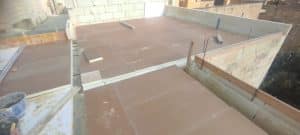

A Complete Guide to Underfloor Heating in Malta: Systems, Performance, and Property Value
If you are building or renovating a property in Malta, considering underfloor heating (UFH) is a practical move. In a Mediterranean climate where winters are short but damp and traditional stone or tile floors retain cold, radiant underfloor heating provides an efficient, space-saving solution to maintain a comfortable indoor climate.
Here is a technical overview of how underfloor heating operates, how electric and water-based systems compare, and how to maximize efficiency in Maltese properties.
1. How Underfloor Heating Works in Malta
Underfloor heating operates by embedding heating elements—either thin electric cables/mats or water-circulating PEX pipes—beneath the floor surface. Instead of heating ambient air at localized points like wall radiators or split AC units, radiant floor systems distribute warmth uniformly across the entire floor area.
Because radiant heat warms objects and surfaces directly, rooms feel comfortable at lower air temperatures. This leads to several distinct operational advantages:
-
No Cold Spots: Eliminates cold tile surfaces commonly found in Maltese homes.
-
Improved Air Quality: Does not circulate dust, allergens, or dry out indoor humidity.
-
Architectural Freedom: Operates 100% invisibly beneath the floor, liberating wall space.
-
Moisture Control: Helps suppress internal humidity and ambient dampness along ground floors and stone walls.
2. Comparing Systems: Electric vs. Hydronic (Water-Based)
Selecting the right system depends on your project scale, floor buildup limits, and heating objectives.
Electric Underfloor Heating (Dry Systems)
Electric systems utilize ultra-thin resistance heating cables or fiberglass mesh mats (typically 3mm to 6mm thick) laid directly within tile adhesive or self-levelling screed.
-
Best For: Renovations, retrofits, single-room upgrades (bathrooms, kitchens), and spaces with strict door clearance constraints.
-
Warm-Up Time: Fast response times (20 to 30 minutes).
-
Maintenance: Zero moving parts or fluid circulation, eliminating routine servicing.
Hydronic Underfloor Heating (Wet Systems)
Hydronic systems circulate warm water through a network of multi-layer pipes embedded within a 65mm–80mm structural screed layer.
-
Best For: Ground-up new builds, major structural renovations, and whole-house installations.
-
Integration: Pairs efficiently with air-to-water heat pumps or solar thermal integration.
-
Thermal Mass: Takes longer to reach initial temperature but holds radiant heat for hours after powering down.
3. System Feature & Specification Comparison
| Feature | Electric Underfloor Systems | Hydronic (Water-Based) Systems |
| Primary Heat Source | Resistance cables / Ultra-thin mats | Circulating warm water via Heat Pump / Boiler |
| Ideal Application | Single rooms, bathrooms, retrofits | Whole-building builds, open-plan apartments |
| Floor Buildup Profile | Ultra-thin (3mm – 6mm profile) | Requires screed layer (65mm – 80mm depth) |
| Response Time | Rapid (20 – 30 mins) | Steady thermal inertia (1 – 2 hours) |
| Flooring Compatibility | Tiles, microcement, engineered wood, stone | Tiles, natural stone, microcement, timber |
| System Lifespan | 20 – 30+ Years | 30 – 50+ Years |
| Upkeep Requirements | None (Zero mechanical components) | Periodic manifold inspection & pump check |
4. Key Factors Influencing Thermal Efficiency
To ensure your underfloor system performs at its highest efficiency in Malta, consider these core technical requirements:
-
Subfloor Insulation: Installing rigid insulation boards (such as extruded polystyrene / XPS) beneath heating elements prevents downward thermal loss into the concrete slab, ensuring heat radiates upward.
-
Flooring Material Selection: High-density materials like porcelain tiles, globigerina stone, marble, and microcement offer excellent thermal conductivity and retain heat effectively.
-
Smart Thermostat Controls: Using multi-zone digital or Wi-Fi thermostats allows you to schedule heating specifically around room usage, avoiding energy waste in unoccupied areas.
-
Solar PV Offset: In Malta, pairing electric underfloor systems or heat pumps with rooftop solar panels enables property owners to run their heating on self-generated clean energy.
5. Value Added to Maltese Real Estate
Beyond immediate thermal comfort, installing radiant floor heating enhances overall property specifications:
-
EPC Rating Improvement: Enhances the building’s overall Energy Performance Certificate (EPC) standing.
-
Sought-After Feature: Highly regarded by property buyers and tenants looking for modern, energy-conscious finishes in premium areas like Sliema, St. Julian’s, and Mellieħa.
-
Long-Term Durability: Outlasts conventional forced-air or radiator systems with minimal to no ongoing maintenance.
📞 Contact Kibitec
Planning a build or flooring renovation in Malta?
Get in touch with our team to consult with our specialists and select the ideal underfloor heating specification for your property layout.