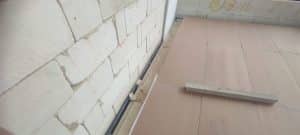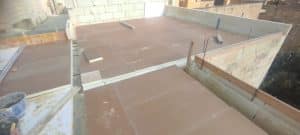

When it comes to building or renovating in Malta, flooring decisions matter more than most people think. Sure, the look of tiles or microcement might steal the spotlight, but what lies underneath is just as important. One material stands out for its performance, versatility, and durability: screed.
Today, we’re diving into the benefits of screed flooring—and there are more than you might expect. Whether you’re working on a new build in Marsaskala or renovating a flat in Valletta, knowing the true value of screed can help you make better decisions, avoid costly mistakes, and get that perfect finish you’re aiming for.
Let’s explore why screed flooring is a game-changer for homes, offices, commercial spaces, and turnkey construction projects across Malta.
What Is Screed Flooring? | Benefits Of Screed Flooring
Before we get into the benefits of screed flooring, it helps to clarify what screed actually is—and what it’s not.
Screed is a thin layer of cementitious material applied over a concrete base to create a smooth, level surface. It’s typically made from cement and sharp sand (sometimes with additives or fibers) and can be applied as a traditional sand/cement mix, liquid screed, or self-levelling compound depending on the project needs.
It’s not structural like concrete but serves as a finishing base that ensures the floor is perfectly flat and ready for your final floor finish—be it tile, microcement, wood, or vinyl.
In Malta, where homes and commercial spaces are often constructed using concrete slabs and blockwork, screed is the crucial middle layer that makes flooring both functional and beautiful.
1. Creates a Perfectly Level Surface | Benefits Of Screed Flooring
The most obvious of the benefits of screed flooring is its ability to create a smooth, even surface.
Uneven concrete bases are common, especially in older Maltese buildings where floor tolerances vary room to room. Screed acts as the great equalizer, correcting dips, rises, and imperfections so that your final floor covering sits flawlessly.
This is vital for finishes like:
Large-format porcelain tiles
Microcement systems
Timber flooring
Luxury vinyl planks
Even a 3 mm deviation can ruin the look and lifespan of a floor. Screed ensures that doesn’t happen.
💡 Pro Tip: In Malta, the average thickness of a screed layer is 50–75 mm, with pricing typically ranging between €18 to €30 per m², depending on mix type and additives used.
2. Supports Underfloor Heating Efficiency | Benefits Of Screed Flooring
As modern Maltese homes shift toward energy-efficient systems, underfloor heating is becoming more popular—especially in villas, penthouses, and eco-conscious apartments.
Here’s where screed plays a key role.
Screed encapsulates underfloor heating pipes, enabling efficient and even heat distribution. It acts as a thermal mass, storing and radiating heat slowly and evenly across the room.
If underfloor heating is part of your turnkey renovation or new build in Malta, screed is not just useful—it’s essential.
✅ Tip: Liquid screed (also known as flow screed) is particularly good at wrapping tightly around heating pipes, leaving no air gaps that reduce thermal performance.
3. Boosts Durability and Crack Resistance | Benefits Of Screed Flooring
Another one of the overlooked but powerful benefits of screed flooring is that it adds surface strength and crack resistance—especially when enhanced with fibers or special additives.
In high-traffic areas like:
Shops and showrooms in Valletta
Garages and workshops in Qormi
Hallways in busy households
…screed serves as a protective layer that resists wear, impact, and surface cracking.
Even in residential homes, screed ensures that your flooring system stays intact despite heavy furniture, foot traffic, or minor building movement.
🛠 Did you know? Many screeds in Malta now include polypropylene fibres or plasticisers, which enhance flexibility and reduce drying shrinkage.
4. Prepares Floors for Stylish Finishes | Benefits Of Screed Flooring
In design-driven spaces across Malta—like hotels, designer flats, or trendy cafes—floor finishes matter. Whether you’re using polished microcement or high-end marble, the prep work underneath defines the quality of the result.
Screed provides the ideal substrate for:
Tile adhesives to bond effectively
Microcement systems to spread evenly
Resin or epoxy flooring to self-level properly
Hardwood or vinyl to lie flat without gaps or bounce
Without screed, you risk poor adhesion, surface bubbling, or lifting—problems that can cost thousands to fix later on.
📸 Case in point: A client in Naxxar had uneven concrete that made microcement impossible until a screed layer corrected the surface. After screeding, the floor was glass-flat—ready for a showstopping finish.
5. Improves Sound and Thermal Insulation | Benefits Of Screed Flooring
Want to reduce noise between floors or rooms? Screed can help with that too.
When combined with insulation layers or special acoustic screed mixes, screed significantly dampens footfall sound—an important feature in:
Apartment blocks
Duplexes
Commercial offices
Airbnbs or guesthouses
Thermally, screed works well with insulation boards beneath it, which helps maintain comfortable indoor temperatures and reduces energy use—important for both winter heating and summer cooling in Malta’s Mediterranean climate.
💡 Eco Tip: Some screeds use lightweight additives to increase insulation value without compromising strength.
6. Enhances Moisture and Water Resistance | Benefits Of Screed Flooring
If you’re working on bathrooms, wet rooms, or kitchens, moisture management is critical. The great thing about modern screed is that it can be enhanced with waterproofing additives or sealants, helping it resist humidity and water seepage.
In Malta’s climate, where high humidity is common near the coast (especially in areas like Sliema, Bugibba, or Birżebbuġa), this becomes especially important.
Screed with waterproofing properties is ideal for:
Bathrooms and showers
Laundry rooms
Outdoor terraces (when used with slope screed)
Indoor pools or spa areas
✅ Remember: Even if you’re using microcement—which is waterproof—your underlying screed needs to be moisture-stable to avoid future issues like bubbling or mould growth.
7. Cost-Effective and Long-Lasting | Benefits Of Screed Flooring
Lastly, one of the most practical benefits of screed flooring is its cost-to-benefit ratio. Screed is a relatively affordable upgrade that saves you money in the long term by:
Preventing costly tile or floor finish failures
Reducing energy bills (if paired with heating or insulation)
Minimising the need for rework or levelling compounds
With a lifespan of 20–30 years (when properly installed), screed is an investment that pays off over decades—not just during installation.
💶 Average screed costs in Malta:
Traditional cement-sand screed: €18–€24/m²
Fibre-reinforced screed: €22–€28/m²
Liquid or pump-applied screed: €25–€30/m²
Want to Get Started with Screed Flooring in Malta? | Benefits Of Screed Flooring
Whether you’re planning a new build in Gozo or upgrading your townhouse in Rabat, Kibitec is here to help.
We offer:
Free on-site assessments
Screed options tailored to Maltese conditions
Competitive pricing
Fast turnarounds for residential and commercial projects
👉 Check out our screed flooring service to learn more.
📞 Ready to talk to a professional?
👉 Contact us today and we’ll help you choose the right screed for your project.
Types of Screed Flooring Used in Malta | Benefits Of Screed Flooring
Now that you understand the major benefits of screed flooring, it’s time to explore the types of screed available—and which is best suited for your project.
🔹 1. Traditional Cement-Sand Screed (Site Mixed)
This is the most widely used screed in Malta. It’s mixed on-site in a ratio of 1 part cement to 3–5 parts sharp sand and laid manually using a straightedge.
Pros:
Affordable
Readily available
Customisable mix
Cons:
Labour-intensive
Requires skilled finishers to ensure level surface
Best for: Residential homes, small areas, general renovations
Cost in Malta: Approx. €18–€24 per m²
🔹 2. Liquid Screed (Flow Screed)
This newer alternative is machine-mixed and pumped onto the floor in a self-levelling liquid form. It dries faster and provides better coverage around underfloor heating pipes.
Pros:
Self-levelling
Quicker installation
Excellent thermal conductivity
Cons:
Slightly higher cost
Requires specialist application
Best for: Large areas, underfloor heating, commercial spaces
Cost in Malta: Approx. €25–€30 per m²
🔹 3. Fibre-Reinforced Screed
This screed type includes polypropylene fibres that increase flexibility and reduce shrinkage, cracking, and curling.
Pros:
Superior crack resistance
More stable during drying
Durable in high-traffic areas
Cons:
Slightly higher material cost
Best for: Garages, commercial units, industrial floors
Cost in Malta: Approx. €22–€28 per m²
🔹 4. Bonded, Unbonded & Floating Screed
These terms refer to how the screed is applied in relation to the subfloor:
Bonded Screed is directly attached to concrete—ideal for thin layers.
Unbonded Screed sits over a separating membrane—used when moisture protection is needed.
Floating Screed sits over insulation or underfloor heating systems.
Knowing the difference is key to screed longevity and performance.
🔍 Want help identifying which screed your Malta property needs?
Contact Kibitec today for expert guidance.
Common Mistakes to Avoid When Installing Screed Flooring | Benefits Of Screed Flooring
Even with all the benefits of screed flooring, poor installation can ruin results. Here are the most common (and avoidable) screeding mistakes we’ve seen on Maltese job sites:
❌ 1. Skipping Proper Subfloor Prep
Failing to clean, dampen, or prime the base can cause screed detachment, especially in humid areas like Malta’s coastal zones.
❌ 2. Using Wrong Water Ratio
Too much water weakens the screed, making it prone to cracks. This is especially risky in high-temperature environments like interior sunrooms.
❌ 3. Inadequate Curing
Screed needs to cure properly. Rushing the process can lead to surface dusting, curling, or cracking.
💡 In Malta’s dry summer months, screed may need to be covered with damp sheets or a curing compound to retain moisture.
❌ 4. Not Allowing Dry Time Before Tiling
Installing tiles too soon traps moisture and leads to tile lifting or mould underneath.
Drying guide:
👉 1mm of screed = 1 day drying (e.g., 50mm = approx. 50 days)
❌ 5. DIY with No Experience
While it may seem straightforward, screeding requires precise leveling tools and timing. A small mistake can lead to big floor failures later.
✅ Our team at Kibitec ensures every screed layer is professionally mixed, perfectly level, and tailored for your final flooring choice.
When Should You Choose Screed Flooring? | Benefits Of Screed Flooring
Let’s go over real-world examples of when screed is the best choice for a flooring project in Malta:
🏠 Home Renovation in Mellieħa
You’re replacing old tiles with modern microcement.
Why screed? To flatten the floor and avoid microcement cracking.
Best screed: Fibre-reinforced screed with waterproof additive.
🏢 Commercial Unit in Valletta
You’re converting a ground floor into a retail space with vinyl flooring.
Why screed? Vinyl needs a perfectly flat surface.
Best screed: Traditional bonded screed or liquid screed for fast install.
🛁 Bathroom Upgrade in Marsaskala
You want a slope for drainage and waterproofing.
Why screed? Screed allows for custom slope formation and waterproof additives.
Best screed: Unbonded screed with water-repellent sealant.
🧱 Turnkey Construction Project in Gozo
Full house build including underfloor heating.
Why screed? Floating screed over insulation and heating pipes distributes heat evenly.
Best screed: Liquid flow screed with thermal conductivity.
👉 Want to learn more about how screed fits into turnkey construction?
Visit this Wikipedia resource on screed for deeper technical insight.
FAQ: Screed Flooring in Malta | Benefits Of Screed Flooring
🔸 Can I install screed myself?
It’s possible for small areas, but for long-lasting results and correct levels, we always recommend hiring a professional.
🔸 Is screed waterproof?
Standard screed is not fully waterproof, but waterproof additives or sealants can be added for bathrooms or terraces.
🔸 How long does screed take to dry in Malta?
1 day per 1mm thickness is the general rule, but drying times can be faster in hot Maltese weather—though careful curing is still essential.
🔸 Can I put microcement over screed?
Yes! Screed is one of the best substrates for microcement. It must be completely dry, level, and crack-free.
Final Thoughts: Why Screed Flooring Is Worth It | Benefits Of Screed Flooring
Let’s recap the top benefits of screed flooring for your next project in Malta:
✅ Perfectly flat, level finish
✅ Supports underfloor heating
✅ Reduces cracking and surface failures
✅ Improves insulation and acoustic performance
✅ Waterproof options available
✅ Prepares floor for stylish finishes
✅ Long-lasting and cost-efficient
Whether you’re upgrading a home in Naxxar, planning a turnkey construction in Gozo, or preparing a commercial space in Valletta, screed flooring adds value, function, and beauty to your property.
✅ Check Out Our Screed Services in Malta | Benefits Of Screed Flooring
At Kibitec, we specialise in high-quality screed flooring for residential and commercial clients across Malta and Gozo.
We offer:
Free consultations
Traditional and modern screed types
Expert installation by trained professionals
Fast turnaround and competitive rates
👉 Check out our screed service page here
👉 Contact us for a quote or site visit
📞 Ready to Transform Your Floors? | Benefits Of Screed Flooring
If you’re ready to experience the real benefits of screed flooring, let’s talk. Whether it’s a minor update or a major development, we’ll help you get it right from the ground up.
👉 Contact Kibitec today for tailored advice and pricing in Malta.