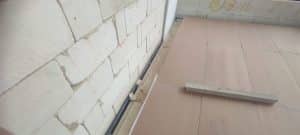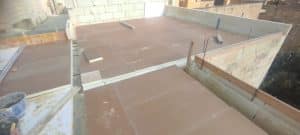

If you’ve ever tried to plan flooring or a renovation project in Malta, you’ve probably come across the terms screed and concrete. Many people use them interchangeably—but that’s a big mistake. Understanding the difference between screed and concrete can help you avoid major errors, select the right materials, and achieve a flawless finish for your floors.
In this guide, we’ll break down what makes screed and concrete so different, when and why to use each one, and how to get the best value for your project in Malta. Whether you’re building from scratch or renovating, knowing the facts will save you time and hassle.
1. What Is the Real Difference Between Screed and Concrete?
The main difference between screed and concrete lies in their composition, texture, and intended use.
Concrete: Strong, Structural, and Rough
Concrete is a mix of cement, water, and coarse aggregates like gravel or crushed stone. It’s designed for structural strength and is commonly used in foundations, driveways, beams, and slabs.
Key characteristics of concrete:
-
Coarser texture
-
Thicker aggregates
-
Strong enough for structural elements
-
Typically poured in large volumes
Screed: Smooth, Refined, and Finishing-Focused
Screed, on the other hand, is a much finer mix of cement and sharp sand (without large aggregates). It’s used to create a level surface over concrete subfloors, particularly for final finishes like tiles, wood, or microcement.
Key characteristics of screed:
-
Smoother texture
-
Fine sand aggregates
-
Used for levelling and floor finishes
-
Applied in thin layers (usually 25–75 mm thick)
So, while both screed and concrete use cement, their purposes are very different: one is for building structure, the other is for smooth floor preparation.
2. Different Types of Screed and Concrete Used in Malta
Malta’s unique climate, architecture, and property standards mean not all materials are created equal. Here’s what’s commonly used locally:
Popular Concrete Types in Malta:
-
Ready-mix concrete (most common for residential builds)
-
Reinforced concrete for structural support
-
Precast concrete for beams and blocks
Types of Screed Used in Malta:
-
Traditional sand and cement screed (site-mixed or factory-mixed)
-
Self-levelling screed – ideal for very smooth surfaces
-
Fibre-reinforced screed – for added strength and crack resistance
-
Fast-drying screed – popular in high-traffic areas or tight schedules
Depending on your flooring requirements, a self-levelling screed might be your best bet—especially if you’re preparing for tiling, vinyl, or underfloor heating. Want to know which one is right for you? Contact our experts here and we’ll guide you through it.
3. Strength vs Smoothness: Why the Difference Matters
When deciding between screed and concrete, it’s not just about selecting a material—it’s about purpose.
Use Concrete When:
-
You need a load-bearing material
-
You’re building walls, columns, foundations, or outdoor structures
-
You’re pouring base slabs
Use Screed When:
-
You’re creating a smooth, level surface for your floor finish
-
You need to hide underfloor heating or insulation
-
You’re refurbishing interior spaces
If you apply tiles or laminate directly on concrete, you’ll likely deal with bumps, uneven lines, and cracking. That’s where screed saves the day—by providing a clean, flat surface ready for your final flooring. Applying the wrong material in the wrong place can lead to extensive rework down the line.
4. How Thick Should Screed and Concrete Be?
Thickness is another major area where the difference between screed and concrete really shows.
Typical Concrete Thickness in Malta:
-
Foundations: 150–300 mm
-
Slabs: 100–200 mm
-
Driveways: ~150 mm
Typical Screed Thickness:
-
Bonded screed: 25–40 mm
-
Unbonded screed: 50–70 mm
-
Floating screed (over insulation): 65–80 mm
Using too-thin screed can result in cracks and weak spots. Too-thick screed can increase drying time unnecessarily. The key is to match the thickness with the underlying conditions—something we specialise in at Kibitec.
5. Material and Scope Comparisons
A common question from homeowners and contractors alike is how these two materials compare in application scope:
-
Concrete: Poured in much thicker layers, serving as the foundational structural base for the floor.
-
Screed: Applied as a thinner topping over a concrete base to refine and level the finish.
Because screed is applied on top of concrete, unless you are refurbishing a space with an existing structural slab, you will often need both materials to complete a floor properly.
To get a tailored assessment, reach out to us directly here.
6. What Happens If You Use the Wrong One?
Using screed in place of concrete—or vice versa—can lead to major structural or finishing problems:
| Mistake | Consequence |
| Using screed for structural work | Collapse risk or major cracking |
| Laying tiles directly on concrete | Uneven finish and loose tiles |
| Skipping screed layer over insulation | Cold floors and uneven surfaces |
| Pouring concrete too thin | Weak base that crumbles |
In turnkey construction projects where efficiency and quality are key, choosing the right material from the start can make or break your timeline.
7. Application Tips from the Pros
Whether you’re doing a DIY renovation or hiring professionals in Malta, here are a few expert tips to ensure a successful outcome:
For Concrete:
-
Always use a vibrator to eliminate air pockets
-
Keep the mix consistent for even curing
-
Allow at least 7 days for curing before applying any load
For Screed:
-
Use reinforcement mesh or fibres to reduce cracking
-
Maintain ambient temperature (~10–25°C) for optimal drying
-
Avoid walking on screed for at least 24–48 hours
-
Full drying time can take 3–7 days depending on thickness and type
Contact Us for Your Screed or Concrete Needs in Malta
Need help choosing between screed or concrete for your project in Malta? Or maybe you already know what you need and just want a reliable supplier and team to do the job right?
Contact us today — our team at Kibitec offers expert service, advice, and premium screed installation across Malta. Whether it’s a home, commercial space, or industrial project, we’ve got you covered.
Check Out Our Screed Services
If you’re looking to level your floors, hide heating systems, or prep for tile—screed is essential. Learn more about what we offer and how we work at our dedicated page.
Concrete or Screed: Which One Do You Really Need in Malta?
By now, you have a solid understanding of what concrete and screed are and how they differ in composition, usage, and finish. Let’s break down exactly when you should choose screed over concrete, or vice versa, based on practical needs and local conditions.
When to Use Screed in Malta
If your goal is to create a smooth, durable, and level surface for floor coverings like tiles, vinyl, wood, or carpet, screed is the way to go. Here are some ideal scenarios:
-
Indoor Flooring Projects: Screed is ideal for residential or commercial interior floors, especially when you plan to apply a decorative or functional top layer.
-
Underfloor Heating Systems: Screed works wonderfully with underfloor heating due to its excellent heat retention and conductivity, distributing warmth evenly across the surface.
-
Quick Finish Jobs: Need a clean, fast finish before placing final flooring materials? Screed saves time and effort.
In Malta’s humid coastal environment, screed also offers added protection against moisture when properly sealed.
When to Use Concrete in Malta
Concrete, with its robust strength and ability to handle structural loads, shines in the following applications:
-
Foundations and Slabs: Concrete is your go-to for load-bearing elements like footings, beams, and slabs.
-
Outdoor Works: For driveways, pavements, and patios, concrete resists weathering better than screed.
-
Retaining Walls or Structural Elements: Screed just doesn’t cut it here; you need the compressive strength only concrete can provide.
Common Myths About Screed and Concrete
Let’s clear up some confusion with a few myths we often hear on-site in Malta:
-
Myth 1: Screed Is Just Thin Concrete
-
❌ Not true. While it shares some ingredients, screed has a finer, more controlled mixture and serves a very different purpose—finishing, not structural support
-
-
Myth 2: You Don’t Need Screed If You’ve Poured Concrete
-
❌ Not necessarily. If you want to lay tiles or vinyl, you’ll still need a smooth, level screed layer on top of that concrete base. Especially in Malta’s high-end real estate, aesthetics matter.
-
-
Myth 3: Screed Can Replace Concrete for All Projects
-
❌ Absolutely not. Screed is not structurally strong enough to replace concrete in foundational work. It’s like comparing plaster to bricks.
-
How Screed and Concrete Perform Over Time
Durability & Maintenance in Maltese Climate
In coastal areas like Sliema or Marsaskala, the salt air and moisture can accelerate wear and tear on surfaces. Here’s how each material performs:
-
Screed: If sealed correctly, it resists moisture reasonably well. However, it’s more prone to cracking if improperly mixed or applied too thinly.
-
Concrete: More resilient and naturally weather-resistant, concrete is lower maintenance in the long run for outdoor applications.
Repair and Longevity
-
Screed: Minor cracks or surface issues can usually be patched or re-applied in sections. Expect screed to last 15–20 years indoors with proper care.
-
Concrete: A properly poured concrete base can last 30–50 years or more, especially when reinforced.
A Side-by-Side Comparison Table
| Feature | Screed | Concrete |
| Composition | Cement + fine sand + water | Cement + coarse aggregates + sand + water |
| Thickness (typical) | 25–70 mm | 100–200 mm |
| Primary Purpose | Smooth floor finish | Structural foundation |
| Strength | Moderate | High |
| Use with Underfloor Heating | Excellent | Less efficient |
| Surface Finish | Smooth | Rough unless treated |
| Drying Time | 24–48 hrs (walkable); 28 days full cure | Similar, depends on mix |
The Role of Screed in Turnkey Construction Projects
In turnkey construction projects across Malta—especially luxury developments or commercial refurbishments—screed plays a crucial role in the finishing stages. While concrete lays the structural foundation, screed provides that sleek, ready-to-cover surface essential for delivering a fully finished property.
Whether it’s a luxury apartment in Valletta or a commercial renovation in St. Julian’s, turnkey builders rely on fast-drying, high-quality screed to meet deadlines and deliver great results.
Where to Buy or Book Screed or Concrete Services in Malta
Looking to source materials or hire professionals for screed or concrete in Malta?
You can order screed or concrete services, or get tailored advice by contacting us at Kibitec. We offer:
-
Site assessments
-
Screed material supply
-
Concrete formwork and pouring
-
Full turnkey solutions including flooring, tiling, and finishing
Our local experts can guide you on the best mix design and help you avoid costly mistakes—whether you’re building a villa or renovating a penthouse.
Final Thoughts: Know the Difference, Save Time & Hassle
Understanding the difference between screed and concrete is a practical decision that affects your timeline and the final finish of your space. Use concrete where strength matters, and use screed where finish matters.
If you’re ever unsure, our team at Kibitec is ready to guide you through it. No guesswork—just solid, professional advice built on years of local experience.
Ready to get started? Contact us now and let’s turn your project into a reality—safely, smoothly, and beautifully.