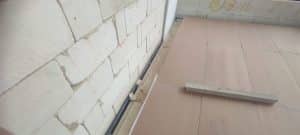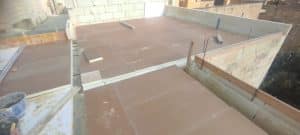

If you’re planning a flooring project in Malta, you’ve likely come across the term self-levelling screed Malta. Whether you’re working on a residential renovation or a commercial space, understanding how this material works—and what it can do for your surface—is crucial.
In this article, we’ll answer the question head-on, explore the benefits, uses, pricing, and more. By the end, you’ll have a solid grasp of whether self-levelling screed is the right option for your project—and how much it might cost you in euros.
✅ What Is Self-Levelling Screed Malta?
Let’s start with the basics: Self-levelling screed is a cement-based compound that flows easily and settles into a flat, smooth surface without requiring extensive trowelling. It’s commonly used over concrete slabs or rough screed to create a perfectly level base for final flooring finishes like tiles, vinyl, laminate, epoxy, or microcement.
In Malta, where many buildings feature a mix of old limestone and newer concrete surfaces, self-levelling screed has become a go-to solution for both refurbishments and new builds.
Unlike traditional screed, which may require manual levelling and significant labor, self-levelling screed Malta makes the job faster, more efficient, and far more precise.
💡 Where Is Self-Levelling Screed Used in Malta?
In Malta’s unique construction landscape—characterised by a blend of modern developments and historic structures—self-levelling screed is widely applied in:
New apartment developments where floor precision is key
Commercial spaces such as offices, clinics, and retail shops
Hotels and hospitality renovations
Residential homes for kitchens, bathrooms, and open-plan living areas
Underfloor heating systems, as it flows easily around piping and provides excellent thermal conductivity
The smooth finish achieved with self-levelling screed also makes it ideal for microcement applications, which are becoming increasingly popular in minimalist Maltese interiors.
💰 Self-Levelling Screed Malta: Cost Breakdown Per Square Meter
If you’re wondering about self-levelling screed Malta pricing, you’re not alone. Most property owners and developers want to know: How much will it cost me per square meter?
Let’s break it down:
✅ Average Prices in Malta (2025):
| Type | Approx. Cost Per m² | Thickness Range | Notes |
|---|---|---|---|
| Standard self-levelling screed | €14 – €18 | 3–5mm | Ideal for smoothing over existing substrates |
| Fibre-reinforced screed | €18 – €22 | 5–8mm | Added durability and crack resistance |
| Fast-drying options | €20 – €25 | 3–6mm | Great for projects on a tight timeline |
These prices include material and basic labor, but if your surface requires surface preparation, priming, or moisture barriers, expect an additional €3–€5/m².
⚠️ Factors That Affect the Price:
Size of the area – Larger spaces may benefit from economies of scale
Floor condition – Heavily damaged or uneven floors require more prep
Drying time required – Fast-drying compounds typically cost more
Final flooring type – If you’re using high-end finishes, precision matters more
Need an exact quote? You can buy self-levelling screed Malta or get a full-service installation by contacting us here. We’ll assess your site and provide tailored euro-based pricing.
🛠️ How the Self-Levelling Screed Process Works
Applying self-levelling screed is a skill that demands precision, especially in Malta’s hot, dry climate which can affect drying times and finish quality. Here’s a quick walkthrough of the process:
1. Surface Preparation
The existing floor is cleaned, repaired, and primed. Any contaminants like oil, dust, or paint are removed. If moisture is present, a barrier membrane is applied.
2. Mixing the Screed
The self-levelling compound is mixed with water (or additives if specified) to achieve a pourable consistency. This is typically done using a high-speed mixer to ensure uniformity.
3. Pouring and Spreading
The mix is poured onto the floor and quickly spread using a trowel or gauge rake. Because the compound is self-levelling, minimal effort is required to create an even surface.
4. De-Airing
A spiked roller is passed over the surface to remove trapped air and prevent bubbling—this is a key step often overlooked in DIY jobs.
5. Curing
The screed is allowed to cure. Depending on the product used, walkable drying time is typically 4–8 hours, and full curing can take 24–72 hours.
In turnkey construction projects (source), this type of screed is often used to keep timelines tight and finishes flawless.
⚙️ Benefits of Self-Levelling Screed Malta
Wondering whether it’s worth the cost? Here are some standout advantages specific to using self-levelling screed in Malta:
1. Fast Turnaround
In Malta’s fast-paced property market, time is money. Many self-levelling screeds can be walked on within hours and tiled over in just a couple of days.
2. Perfectly Smooth Finish
Ideal for high-end finishes like microcement, large-format tiles, or vinyl planks that require minimal subfloor variation.
3. Excellent Adhesion
These screeds adhere well to substrates like concrete, screed, or even tile (after priming), making them perfect for renovation jobs.
4. Thin Application
Unlike traditional screeds that require thick application, self-levelling options can be applied in layers as thin as 3mm—ideal for older Maltese buildings with height restrictions.
5. Moisture and Crack Resistance
Fibre-reinforced options resist shrinkage and cracking, which is useful in Malta’s hot summers and damp winters.
🔎 Who Should Use Self-Levelling Screed in Malta?
This solution is ideal for:
Developers and architects looking for quick, clean finishes
Homeowners planning a tile or vinyl renovation
Commercial space managers needing a resilient, level base
Interior designers who want to overlay microcement for modern aesthetics
🧠 Quick Tips Before You Buy
Before you purchase or apply self-levelling screed Malta, keep these in mind:
Get a site inspection – Not all substrates are ready for self-levelling compounds
Use a qualified applicator – It looks easy, but errors are costly
Read product specs – Some screeds are not compatible with underfloor heating
Check drying times – Don’t rush flooring installation or you risk adhesive failure
Confirm pricing in writing – Especially if you’re being quoted per square meter
You can always contact us for a no-obligation assessment. We’ll help you choose the right screed product and ensure it’s applied professionally under Malta’s unique climate conditions.
Application Process of Self-Levelling Screed in Malta
Understanding how self-levelling screed Malta is applied will give you clarity on what to expect, especially if you’re considering a DIY installation or hiring a professional.
1. Preparation of the Substrate
Every successful screed application begins with surface preparation. In Malta, substrates are often concrete or old tiled surfaces. These need to be clean, dry, and dust-free. Any cracks should be repaired, and a primer is typically applied to improve adhesion between the substrate and the screed.
If the screed is being applied in humid areas like bathrooms or basements, it’s vital to check for damp-proofing and use moisture barriers when needed. Professionals in Malta typically use epoxy or acrylic-based primers that cost around €4–€6 per square meter.
2. Mixing the Compound
Most self-levelling compounds come in bags of 20–25 kg, costing between €12 to €20 per bag depending on the brand and performance additives (fast-drying, fibre-reinforced, etc.).
The mix is typically prepared using a paddle mixer, ensuring a smooth, lump-free consistency. For projects requiring larger volumes, mechanical mixers and pumps are used to speed up the process, especially in commercial or turnkey construction settings. Learn more about turnkey construction.
3. Pouring and Spreading
Once mixed, the self-levelling screed is poured onto the surface. In Malta’s warm climate, quick application is critical because the compound starts setting fast. It spreads under gravity but might be helped along with a spiked roller to remove air bubbles and ensure even thickness.
Most products allow foot traffic after 4 to 8 hours, and tiling or further finishing can be done after 24 to 48 hours, depending on humidity and product specifications.
Common Mistakes to Avoid with Self-Levelling Screed Malta
Even though it’s called “self-levelling,” this type of screed demands care. Here are typical mistakes we see in Malta, especially when DIY-ers try to tackle screeding on their own.
1. Skipping Primer
Some people skip priming, thinking it’s optional. It’s not. Primer ensures proper adhesion, prevents bubbles, and extends the screed’s lifespan. In Malta’s high-humidity environments, skipping primer often leads to early failure.
2. Incorrect Water Ratio
Too much water can weaken the compound, while too little prevents flow. Always follow manufacturer instructions to the letter.
3. Overworking the Surface
While it may be tempting to keep pushing the mix around, overworking it can introduce air bubbles, causing surface imperfections or reducing durability.
4. Lack of Surface Preparation
Oil stains, dust, or debris on the floor can prevent proper adhesion. This results in delamination, especially in high-traffic areas.
Hiring a professional in Malta to handle your self-levelling screed Malta application avoids these mistakes. You can contact us to request a quote or consultation.
Maintenance and Durability: What You Can Expect
Once applied correctly, self-levelling screed is incredibly durable and easy to maintain, which is why it’s popular across Malta for both homes and commercial spaces.
1. Longevity
A well-installed screed layer can last 15–30 years, depending on the thickness and daily usage. If you’re using it under tiles or vinyl flooring, it will be further protected from surface wear.
2. Cleaning and Upkeep
No special cleaning products are needed. Simply sweep and mop using a neutral pH cleaner. If you’ve sealed the screed or topped it with resin, an occasional reseal (every 2–3 years) can keep it looking new.
3. Resistant to Cracks
Unlike traditional screed, the polymer additives in self-levelling types give them more flexibility. This makes them more resistant to cracking from minor substrate movement—ideal for Malta’s varying humidity conditions.
Why Choose Kibitec for Self-Levelling Screed in Malta?
Choosing the right screed and the right team matters. At Kibitec, we offer both the supply and application of premium-grade self-levelling screed Malta options.
Here’s why our clients trust us:
Top-quality materials sourced from trusted European brands.
Experienced technicians who understand local building standards.
Custom quotes for residential, commercial, or turnkey construction projects.
Fast turnaround times so your project isn’t delayed.
Whether you’re renovating your kitchen floor or preparing a large commercial space, we tailor the right screed system to match your needs.
Ready to Get Started?
Whether you’re a homeowner planning a renovation or a contractor looking for the best screeding partner in Malta, we’re here to help.
📩 Contact us today to request a consultation or get a personalised quote.
Check Out Our Screed Services
Explore the full range of screeding options, including traditional and self-levelling types tailored for Malta’s climate and flooring demands.
👉 Check out our screed service