
The Definitive Guide to Floor Screeding in Malta: Types, Selection, and Best Practices
If you’re renovating or building in Malta, flooring is one of the most critical stages of your project—whether it’s a residential upgrade, a commercial fit-out, or part of a larger turnkey construction project.
In this guide, we’ll explore the key factors that influence floor screed selection, what options are available, and how to ensure you achieve a flawless finish. We’ll also share professional tips to help you avoid common installation mistakes. Let’s look into the materials, techniques, and expert recommendations that ensure long-term flooring performance.
What Is Screed and Why Is It Essential?
Before diving into project planning, let’s quickly recap what screed actually is.
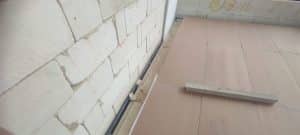
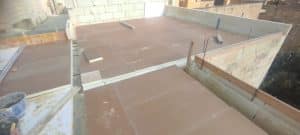
Screed is a layer of cementitious material laid over a concrete subfloor. It creates a smooth, level surface for final floor finishes like tiles, timber, microcement, or vinyl. It also plays a key role in insulating floors and protecting underfloor heating systems.
There are several types of screed commonly used in Malta:
-
Traditional Sand and Cement Screed: A versatile option suitable for most standard subfloors.
-
Flowing or Liquid Screed: Self-leveling properties allow for rapid coverage and optimal thermal conductivity.
-
Fibre-Reinforced Screed: Enhanced with synthetic or glass fibers to reduce shrinkage cracking.
-
Self-Levelling Compounds: Ideal for thin-layer smoothing over existing substrates.
Each type comes with its own technical specifications and use cases, so the material you choose should match your structural requirements and floor finish.
Selecting the Right Screed for Your Project
To determine which screeding system is right for your build, consider the following technical factors:
-
Floor Depth: Thicker subfloors require specific screed types to ensure proper curing without cracking.
-
Site Accessibility: Hard-to-reach spaces or upper floors may require specialized pumping equipment.
-
Surface Preparation Needs: Existing slabs may require primers, damp-proof membranes, or grinding before application.
-
Project Scale: Large open-plan commercial spaces benefit from fast-flowing liquid screeds, whereas smaller segmented spaces may suit traditional mixes.
👉 For a site-specific evaluation, you can reach out to our specialists at Kibitec.
What Influences Screed Selection and Performance in Malta?
1. Thickness of the Screed
The thickness of the layer directly dictates material volume and curing time:
-
Standard Overlay: 40mm to 50mm
-
Underfloor Heating: 65mm to 80mm (to encase heating pipes properly)
-
Thin Smoothing Layers: Specialist self-levelling compounds for minor levelling adjustments
2. Workmanship and Experience
In Malta, skilled screeders ensure precise fall and level control. Working with experienced professionals ensures:
-
Superior surface flatness and levelling
-
Reduced risk of structural cracking or edge curling
-
Faster, controlled drying and curing timelines
-
Long-term stability for topcoat finishes
3. Site Conditions
If your floor needs additional preparation (such as damp-proof membranes, insulation panels, or structural substrate repairs), these steps must be integrated into the preparation schedule. Furthermore, upper-floor installations in townhouses or high-rises require planned logistics for material transport and pumping equipment.
4. Materials and Performance Additives
Certain projects require tailored additives, such as plasticisers, retarders, or reinforcement fibres. Polypropylene fibre reinforcement helps minimise shrinkage cracks and is ideal for high-traffic areas or floors subject to temperature variations.
Real-World Screed Application Scenarios
Here is how screed selection varies across typical project types:
-
Small Apartment Bathroom:
-
Application: Self-levelling screed (~30mm thick)
-
Focus: Achieving a flat, smooth subfloor for waterproofing membranes and tiling.
-
-
Residential Living Room:
-
Application: Traditional sand and cement screed (~50mm thick)
-
Focus: Incorporating a damp-proof membrane and mesh reinforcement for structural stability.
-
-
Commercial Office Space:
-
Application: Liquid screed (~60mm thick) over underfloor heating
-
Focus: Machine-pumped application for large floor areas, ensuring complete encasement of heating pipes and rapid drying.
-
Should You DIY or Hire a Professional?
Screeding requires precision mixing, strict timing, and specialised levelling equipment. Common DIY errors include:
-
Uneven thickness leading to weak spots
-
Cracking due to incorrect water-to-cement ratios or rapid drying
-
Inadequate bonding with the subfloor slab
-
Incorrect compaction resulting in hollow areas under tiles
When you hire experienced contractors like Kibitec, you ensure:
-
An expert, smooth finish aligned with architectural tolerances
-
Optimized curing timelines
-
Reduced risk of subfloor failure
-
Long-term structural durability
How to Optimise Your Screeding Project
-
Plan Early: Finalise your screed selection and floor buildup thickness before installing electrical, plumbing, or heating runs.
-
Bundle Subfloor Services: Combine thermal insulation, damp-proofing, and underfloor heating installation with screed laying for seamless execution.
-
Specify Correct Thicknesses: Avoid over-specifying depth beyond structural needs to prevent extended drying times.
-
Work with Reputable Contractors: Proper execution prevents costly repairs, tile popping, or uneven flooring later in the build.
Additional Logistical and Technical Considerations
1. Site Logistics and Access
Whether your project is in a high-rise building in Valletta or a traditional townhouse in Rabat, access influences application methods. Constrained access may require specialized pump setups or staged material delivery.
2. Application Method: Hand vs. Machine Pumping
Hand-applied screed is well-suited for smaller, segmented rooms or detailed slope creation (such as wet rooms). Machine-applied screeds, especially pumped liquid screeds, offer higher daily output and exceptional surface flatness across large, open spaces.
3. Reinforcements and Environmental Curing
Adding polypropylene fibres helps distribute thermal stress, making it essential for sunlit areas or heated floors. Additionally, during Malta’s warm summer months, controlling moisture loss during the initial curing phase is essential to prevent rapid drying and surface crazing.
Screed Thickness Guidelines
Getting expert guidance on thickness ensures structural integrity without adding unnecessary mass to your building slab:
| Screed Thickness | Typical Use Case | Key Benefit |
|---|---|---|
| 40mm | Standard overlay on concrete slab | Smooth, level base for tiles or wood |
| 50mm – 75mm | Encapsulating underfloor heating & load-bearing floors | Excellent heat distribution & structural strength |
| 100mm+ | Heavy infill or major levelling correction | Substantial mass for structural build-ups |
Screed for Underfloor Heating: What You Need to Know
Underfloor heating systems require high-specification, thermally conductive screeds—typically liquid anhydrite or fibre-reinforced mixes. These options offer superior heat transfer efficiency, wrapping tightly around pipework without leaving air voids, and ensuring fast response times when heating your home.
Integrating Screed into Turnkey Construction
In full turnkey projects, integrating the screed phase smoothly between rough MEP (mechanical, electrical, plumbing) installations and final finishes keeps the timeline on track.
Kibitec works alongside architects, designers, and project managers to deliver high-performing floor systems tailored to Malta’s building structures and Mediterranean climate.
Final Thoughts
A well-laid screed is the foundation of any successful interior finish. Investing attention in material selection, thickness, and professional installation guarantees that your tile, wood, or microcement floors stay level and durable for decades.
📞 Contact Kibitec
Planning a floor installation or renovation in Malta? Get in touch with our team for professional guidance and site-specific recommendations tailored to your project.