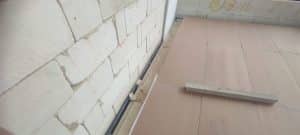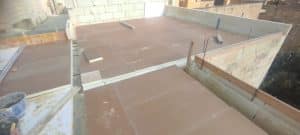

If you’ve ever asked yourself how do you screed concrete, you’re definitely not alone. Whether you’re laying the foundation of a new home in Valletta or refurbishing an office floor in Sliema, knowing how concrete screeding works is crucial for achieving a smooth, durable finish. It’s one of those essential steps in turnkey construction projects (source) that can make or break your results—literally.
In this guide, we’ll break it all down for you:
✅ What screeding is
✅ Why it’s important
✅ How to do it properly
✅ What tools and materials you’ll need
✅ Where to buy or get screed services in Malta
Let’s dig in.
✅ What Is Concrete Screeding?| How Do You Screed Concrete
Before we answer how do you screed concrete, let’s clarify what screeding actually is.
Screeding is the process of leveling and smoothing freshly poured concrete to create a flat, even surface. It’s done after the concrete has been poured and is typically one of the final steps before finishing or sealing.
In Malta, screeding is used everywhere—from residential bathrooms and commercial floors to terraces and outdoor walkways. It creates the perfect base for tiles, microcement, vinyl, resin, or polished concrete finishes.
Why Screeding Matters in Malta
Malta’s limestone architecture and fluctuating humidity levels can pose specific challenges for flooring. Uneven screeds can lead to water pooling, cracked tiles, or moisture build-up beneath the surface. That’s why it’s essential to get it right the first time—especially in renovation-heavy areas like Mdina or St. Julian’s.
🧰 Step-by-Step: How Do You Screed Concrete?| How Do You Screed Concrete
Let’s get to the heart of the matter: how do you screed concrete effectively?
Here’s a simplified, actionable breakdown you can follow:
1. Prep the Area
Before you pour a drop of concrete, prep the space:
Clean the base: Remove dust, debris, and oil from the subfloor.
Install edge insulation: Especially for screeds over underfloor heating or insulation boards.
Set up guide rails (also called screed rails): These help you maintain a consistent thickness.
💡 Pro Tip: In Malta, underlayment is critical due to the porous nature of local stone and potential salt efflorescence.
2. Mix the Screed Properly
There are two common screed types in Malta:
Traditional sand and cement screed: Mixed at a 4:1 or 5:1 ratio.
Self-leveling screed: More expensive but easier for large surfaces.
For a standard mix, you’ll want a semi-dry consistency—wet enough to bind, but dry enough to hold shape when compacted. If you’re unsure, it’s best to go for a premixed screed, which you can get through professional services.
3. Pour and Spread the Screed
Start from one end of the room and work your way across:
Dump screed into the bay area between guide rails.
Spread with a shovel or rake to roughly level.
Remember: speed is key here. You want to maintain consistency and avoid dry patches.
4. Screed the Surface
Now comes the actual screeding:
Use a straightedge, timber batten, or aluminium screed bar.
Rest it on the guide rails and pull it towards you in a sawing motion.
Repeat bay by bay until the entire surface is flat.
You may need to go back and fill in dips or imperfections before it sets.
5. Trowel and Cure
After screeding, give the surface a smooth finish using a steel trowel.
Then, allow it to cure slowly:
Cover with polythene sheeting or curing blankets.
Avoid rapid drying from wind or heat (especially in Malta’s summers).
Curing typically takes 5–7 days depending on humidity and screed type.
💡 Screeding Tools & Materials You’ll Need| How Do You Screed Concrete
Here’s what you’ll need if you’re doing it yourself:
| Tool/Material | Estimated Price (Malta) |
|---|---|
| Straightedge screed bar | €20–€35 |
| Mixing tools (bucket or pump) | €50–€500 (rental available) |
| Cement & sand (per m²) | €5–€12 |
| Trowel set | €15–€30 |
| Vapour barrier/insulation | €2–€5 per m² |
While DIY screeding might save you labour costs, getting it wrong could mean tearing up the floor later. For large-scale or high-spec projects, professional screeding is usually worth it.
And the good news? You can buy screed or hire experts by contacting Kibitec Screeding Services in Malta.
🧠 Key Tips: Avoiding Common Screeding Mistakes| How Do You Screed Concrete
Even seasoned builders slip up when screeding. Here’s how to avoid common traps:
❌ Mistake 1: Not Using Guide Rails
These ensure thickness and level uniformity. Skipping them often leads to sloping surfaces.
❌ Mistake 2: Incorrect Water Ratio
Too much water weakens the screed, too little and it won’t bond properly.
❌ Mistake 3: Poor Timing
If you trowel too late, the surface will set unevenly. If too early, you’ll disrupt the surface.
❌ Mistake 4: No Curing Protection
Malta’s heat can dry screed too quickly, causing shrinkage cracks. Always cover it.
📌 When to Use Self-Levelling Screed Instead| How Do You Screed Concrete
Wondering if you should go with self-levelling screed instead? It’s ideal when:
You’re covering underfloor heating.
You need a smooth finish under vinyl, resin, or epoxy.
Time is tight and labour is limited.
Though self-levelling screed starts at around €18–€25 per m², the saved time and precision might outweigh the cost.
Still unsure? You can always check out our screeding service here:
👉 https://kibitec.com/screed-malta/
Step-by-Step Guide: How Do You Screed Concrete Like a Pro?| How Do You Screed Concrete
So, how do you screed concrete correctly? Let’s walk through the process so you can understand exactly what happens on-site—whether you’re planning to DIY a small section or hire professionals.
Step 1: Prepare the Base Layer
Before anything else, you need a properly prepared sub-base. This might include:
Compacting crushed stone or gravel.
Laying a moisture barrier if required.
Using insulation boards in some cases (especially indoors).
A level, stable sub-base ensures your screed won’t crack or sink over time.
Step 2: Install Screed Rails or Guides
Screed rails or “screed battens” are critical for ensuring your final surface is level. These metal or wooden strips guide the screeding bar and help you maintain the correct thickness (typically between 40mm and 100mm, depending on usage).
Pro tip: Laser levels or spirit levels help maintain accuracy.
Step 3: Mix the Screed
There are different types of screed mixes:
Traditional sand and cement (1:3 to 1:4.5 ratio)
Flowing screeds (made with anhydrite or cementitious compounds)
Polymer-modified screeds (used when fast drying or flexibility is needed)
Most professionals opt for ready-mixed screed if the area is large or time-sensitive. Prices in Malta for ready-mixed screed range from €25 to €35 per square metre, depending on the depth and type of screed.
Step 4: Pour and Level
Pour your screed over the prepared base, working in sections. Use a straight-edge or screeding bar to drag across the rails and level the surface. For larger areas, two people working in tandem improves results.
To avoid cold joints or weak spots, try to complete sections without long delays.
Step 5: Float and Finish
Once levelled, use a bull float to smooth the surface. This reduces ridges and brings finer particles to the top. Final touches may include:
Power floating (for industrial or commercial spaces)
Hand trowelling (for decorative screeds)
Floating also helps close surface pores, improving durability and water resistance.
Drying, Curing, and Aftercare| How Do You Screed Concrete
Curing Time Matters
One of the biggest mistakes is rushing the drying process. Standard screeds need 7 days per centimetre of thickness to dry up to 40mm. After that, allow 2 days per cm. So, a 60mm screed could take over a month to fully cure!
If you’re using underfloor heating, screeds must be allowed to cure before gradually heating them to avoid cracking.
Avoid Premature Foot Traffic
Light foot traffic is possible after 48–72 hours, but heavy loads and floor finishes should wait until full curing is done. Cutting corners at this stage can undo all your hard work.
Sealing Screed (Optional)
For added durability and stain resistance, some screed types can be sealed. This is more common in decorative or exposed screed floors.
Common Screeding Mistakes to Avoid| How Do You Screed Concrete
When discussing how do you screed concrete, it’s just as important to understand what not to do:
1. Using the Wrong Mix
Don’t just eyeball your ratio—too much water weakens the mix, while too little makes it unworkable. Ready-mix screeds offer more consistency.
2. Inadequate Preparation
Skipping the compacted base or failing to dampen the sub-base can lead to cracking and sinking.
3. Not Using Expansion Joints
In large areas, expansion joints are vital to accommodate shrinkage and thermal movement. Skipping them can lead to unsightly cracks.
4. Rushing the Job
Trying to screed too quickly or without proper planning causes uneven surfaces and cold joints. Proper planning is key.
Pricing and Professional Help in Malta| How Do You Screed Concrete
In Malta, screeding services usually range between €20 and €45 per square metre, depending on the complexity, type (traditional vs. flowing), and whether underfloor heating is included.
DIY is tempting, but screeding is physically demanding and precision-based. If you want a professional, durable finish, hiring a specialist is often worth the investment.
You can get a tailored quote or purchase our expert screeding service by contacting us here.
Why Choose Kibitec for Screeding in Malta?| How Do You Screed Concrete
At Kibitec, we offer a wide range of floor screeding solutions:
Traditional cement screeds
Self-leveling options
Screeds for underfloor heating
Decorative screeds
With experience in residential and commercial projects, we deliver screeding services that meet both European standards and local Maltese climate requirements.
Check out our service page to learn more about what we offer: https://kibitec.com/screed-malta/
A Final Word on How Do You Screed Concrete| How Do You Screed Concrete
So, how do you screed concrete? The answer is both simple and technical. On the surface, it’s about pouring, leveling, and finishing. But beneath that is a process that demands accuracy, timing, and technical knowledge—especially in a climate like Malta’s where drying time and moisture control matter.
Whether you’re a DIY enthusiast or a property developer, understanding screeding helps you get better results from your construction projects.
If you’re serious about quality, don’t gamble with your floors. Trust the experts.
Ready to Screed?
Whether you want to buy materials, hire pros, or simply talk about your flooring needs, we’ve got you covered.
👉 Contact us now for professional advice and tailored quotes.
👉 Or, check out our screed services to see how we can help bring your project to life.
Bonus Insight
Did you know that screeding plays a critical role in turnkey construction? It’s a foundational part of finishing floors in both homes and commercial builds. If you’re planning a full property renovation or a new build, make screeding part of your master plan.