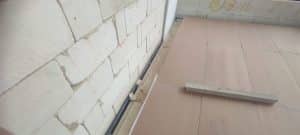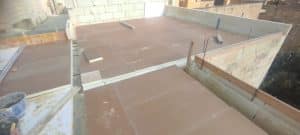

Concrete screeding might sound like one of those dusty construction tasks best left to the pros—and honestly, in many cases, it is. But understanding how to concrete screed can give you a serious edge whether you’re a DIY enthusiast, managing a home renovation, or overseeing a turnkey construction project in Malta.
In this guide, we’ll not only explain the basics of screeding but go deeper into the how, why, when, and where—so you can make smart, confident decisions about your flooring project. Whether you’re renovating a family home in Mosta or developing a luxury apartment in Sliema, these practical insights apply to every job.
Let’s dive in.
🔍 What Is Concrete Screeding (And Why Should You Care)?| How To Concrete Screed
Before we talk about how to concrete screed, let’s clarify what screeding actually is.
Concrete screed is a thin layer of cement-based material applied over a structural concrete slab. Its purpose? To level the surface and create a smooth, stable base for your final flooring finish—be it tiles, vinyl, wood, or microcement.
There are three main types:
Bonded screed – adhered directly to the concrete substrate.
Unbonded screed – laid over a damp-proof membrane.
Floating screed – laid over insulation or underfloor heating.
So why does this matter in Malta?
Here, building standards are high, humidity levels are tricky, and everyone wants floors that look flawless and last for years. Whether it’s a boutique hotel in Valletta or a modern villa in Gozo, screeding is a crucial step—not just an afterthought.
And if done poorly? Expect uneven tiles, cracks, moisture issues, and possibly a full redo. In other words, screed sets the stage for everything that comes after.
🧰 Step-by-Step: How to Concrete Screed (Malta Edition)| How To Concrete Screed
Now let’s get to the heart of it: how to concrete screed correctly. While you can always hire professionals (and we’ll show you how to do that later), here’s what the process looks like in detail.
1. Prep the Surface Like a Pro| How To Concrete Screed
No good screed job starts with a dirty, cracked or uneven base. Here’s how to prep it properly:
Clean the area thoroughly—no dust, debris, oil or paint should remain.
Repair any cracks in the concrete slab.
If laying a bonded screed, use a bonding agent or cement slurry to ensure it sticks.
For unbonded or floating screeds, install a damp-proof membrane (DPM) or insulation layer.
Pro tip for Malta: Because of the island’s coastal humidity, unbonded screeds with DPMs are often the safest choice to prevent rising damp.
2. Mix Your Screed Properly| How To Concrete Screed
Screed is a blend of cement and sharp sand, usually at a 1:3 or 1:4.5 ratio (cement to sand). Water is added just enough to make the mixture workable—too much water weakens the final result.
For Malta’s warm climate, you may want to:
Add retarders to slow down drying during summer.
Use fibres to reduce cracking.
Consider polymer additives for areas exposed to moisture (like bathrooms or balconies).
You can mix screed on-site with a cement mixer, or order ready-mix screed from a supplier if you want consistency and speed.
Average price in Malta:
Basic sand-cement screed costs around €18–€25 per square metre (labour included). Self-levelling or fibre-reinforced options may go up to €35–€40 per sqm.
3. Lay and Level the Screed| How To Concrete Screed
Once the mix is ready, it’s time to lay it. Here’s how the pros do it:
Set level guides (screed rails or battens) to define your finish height.
Start pouring from one corner of the room.
Use a straightedge or screed board to level the material by dragging it across the guides.
Compact the mix by tamping it down to eliminate air pockets.
Finish with a trowel to smooth the surface.
How thick should screed be?
Bonded screed: minimum 25–50 mm
Unbonded: at least 50 mm
Floating (over insulation or heating): 65–75 mm minimum
Warning: Inconsistent thickness can lead to cracking. Always measure carefully!
4. Cure and Dry It Properly| How To Concrete Screed
After screeding, the drying phase is just as critical as laying the mix.
Cover the surface with plastic sheeting to prevent rapid evaporation.
Cure for at least 5–7 days, especially in summer.
Avoid heavy foot traffic for the first 24–48 hours.
Standard drying time is 1 mm per day under ideal conditions—so a 50 mm screed may take up to 50 days to dry fully. Don’t lay tiles or microcement until the screed is cured and moisture content is below 75%.
5. Protect It Until Final Flooring Is Installed| How To Concrete Screed
Screed is not the final floor—so treat it carefully:
Avoid dragging equipment across it.
Keep it covered with boards or protective mats if other trades are working in the area.
If the screed is exposed for a long time, consider sealing it temporarily to prevent dusting.
🏡 Where to Use Concrete Screed in Malta| How To Concrete Screed
Knowing how to concrete screed is one thing—knowing where and when to use it is another. Here are the most common applications across Malta:
🏠 Homes & Apartments
Used as a base for:
Ceramic or porcelain tiles
Timber or laminate flooring
Microcement finishes
Especially valuable in:
Kitchens
Bathrooms
Hallways
🏢 Commercial Projects
Hotels, cafes, offices, and retail units use screed for leveling large surface areas quickly.
Self-levelling screeds allow for fast turnaround.
🌡️ Underfloor Heating
Screed is poured over heating pipes to embed them securely and distribute heat evenly.
Floating screeds are ideal for this.
🌧️ Outdoor Areas
Terraces, balconies, and rooftop decks often use screed for drainage slopes and surface prep.
Use fibre-reinforced or polymer screeds for better moisture resistance.
💶 How Much Does It Cost to Concrete Screed in Malta?| How To Concrete Screed
We touched on prices earlier, but let’s break it down further for transparency.
| Type of Screed | Approx. Cost (€/sqm) | Best For |
|---|---|---|
| Basic Sand-Cement Screed | €18–€25 | Most indoor areas |
| Fibre-Reinforced Screed | €25–€30 | Garages, terraces, heavy-use areas |
| Self-Levelling Screed | €30–€35 | Quick jobs, large commercial spaces |
| Polymer-Modified Screed | €30–€40 | Bathrooms, balconies, damp-prone areas |
Note: These are average market prices in Malta and include material + labour. Prices may vary based on site access, screed thickness, and job size.
Looking for a reliable quote or expert team to screed your property? Contact us today to discuss your project and get a personalised estimate.
🔗 How Screeding Fits Into Turnkey Construction| How To Concrete Screed
If you’re embarking on a turnkey construction project in Malta—meaning a full, ready-to-use build—you won’t get far without screed.
It’s the foundation that supports your finishes, whether it’s tiles, wood, or polished concrete. In turnkey builds, screed installation is carefully scheduled between structural works and final interior finishes.
Why it matters:
Ensures speed and precision in fast-moving construction timelines.
Reduces snags and post-handover repairs.
Affects everything from heating to tile longevity.
Don’t leave it to chance. At Kibitec, we deliver seamless screeding as part of our full turnkey construction service, ensuring your property is ready to hand over with zero fuss.
👇 Want to Skip the Hassle?| How To Concrete Screed
If all this sounds overwhelming—or if you just don’t want to mess it up—don’t worry. Screeding isn’t for everyone, and getting it wrong is expensive.
That’s where we come in.
At Kibitec, we offer complete screed installation services across Malta. Whether you’re building new or renovating old, we handle everything from material selection to on-site application, drying management, and finish prep.
👉 Contact us now to get started with expert advice or to request a free quote.
⚠️ Common Screeding Mistakes (And How to Avoid Them)| How To Concrete Screed
Even if you’ve read every guide on how to concrete screed, there are pitfalls that only experience can help you avoid. These mistakes can compromise the quality of your floors—and your budget.
Let’s go over the most common screeding issues in Malta, and how to stay clear of them.
❌ 1. Using the Wrong Mix Ratio
Screed isn’t one-size-fits-all. Too much water? You’ll weaken the mix. Too little? You won’t be able to work it.
Avoid it by:
Following a standard 1:3 to 1:4.5 ratio of cement to sharp sand
Mixing in small batches and testing consistency
Using premixed screed for large jobs to ensure quality
❌ 2. Rushing the Drying Process
In Malta’s hot climate, screed can dry too quickly, leading to cracks or curling.
Avoid it by:
Curing screed for at least 5–7 days using plastic sheeting
Keeping the space shaded and humid if needed
Waiting the full drying period (typically 1 mm/day) before flooring
❌ 3. Not Leveling Properly
An uneven screed means your tiles or floors will follow suit—causing pooling, cracking, or visual dips.
Avoid it by:
Using laser levels, screed rails, or spirit levels
Checking levels as you work
Always compacting the material fully
❌ 4. Neglecting Edge Detailing
Edges near walls or fixtures tend to be weak spots.
Avoid it by:
Installing edge insulation or expansion strips
Reinforcing corners and transitions
Not screeding up tight against walls without a buffer
❌ 5. Using Inexperienced Labour
Bad screed work is expensive to fix. Always hire trained professionals if unsure.
Need help? Kibitec has you covered—with experienced teams across Malta who deliver screed work to exacting standards.
🛠️ Should You DIY or Hire Professionals?| How To Concrete Screed
It’s one thing to learn how to concrete screed—it’s another to actually do it. So how do you decide whether to go the DIY route or bring in a pro?
Let’s break it down.
🔨 DIY Screeding: When It Makes Sense
If you:
Have a small area (like a bathroom or pantry),
Are experienced in masonry or floor work,
Have the right tools and time to cure properly,
… then DIY might work.
But remember:
You’ll need mixers, levels, trowels, curing sheets, and physical stamina.
A bad job can cost more to fix than doing it professionally.
🧱 Professional Screeding: Worth Every Cent
If your project involves:
A large floor area (50+ sqm),
Underfloor heating,
Complex layouts or materials,
Strict deadlines (as in turnkey construction),
… hiring screeding professionals is the smart call.
Kibitec’s screed services include:
On-site evaluation
Correct material selection
Precise levelling with laser guides
Full curing and handover prep
👉 Check out our screed services here
We work across Malta with both homeowners and contractors, making sure floors are 100% ready for tiling, microcement, vinyl, or wood.
🌱 Is Screeding Eco-Friendly? What You Should Know in Malta| How To Concrete Screed
Sustainability is increasingly important in Maltese construction, especially on new builds with energy efficiency targets. So how does screed measure up?
The Good News:
✅ Screed uses fewer raw materials than full concrete
✅ Can incorporate recycled aggregates
✅ Compatible with underfloor heating, improving energy efficiency
✅ Polymer screeds last longer, reducing repair waste
Areas for Improvement:
❌ Traditional screed relies on cement, which has a high carbon footprint
❌ Overuse or poor curing can lead to waste and redo
Eco tip for Malta: Use fibre-reinforced or fast-drying screeds to minimise environmental impact. These options reduce cracking, lower water use, and speed up timelines—ideal for tight sites in urban areas like Gżira or St. Julian’s.
At Kibitec, we’re happy to recommend low-impact screed options that suit your sustainability goals. Contact us to discuss green building solutions.
❓ Frequently Asked Questions: How to Concrete Screed| How To Concrete Screed
Let’s answer the questions we hear most often from Maltese property owners and developers.
🟡 Can I screed over tiles or wood?
In most cases, no—screed must be laid on solid, stable concrete substrates. You’ll need to remove old tiles or wood before screeding. Alternatively, you can use microcement, which works well over existing surfaces.
🟡 How soon can I walk on screed?
Light foot traffic: 24–48 hours (if conditions are optimal)
Full drying: 1mm per day (50mm = ~50 days)
Always confirm with a moisture test before laying finishes
🟡 What’s the difference between screed and concrete?
Though both contain cement, screed is:
Finer (no large aggregates)
Smoother and more workable
Not meant for structural strength
Concrete supports structures. Screed supports finishes.
🟡 Can I colour screed?
Yes—but it’s not common. Coloured screeds or polished screeds are possible, but require special mixes and sealing.
🟡 Can you screed a sloped area (like a shower floor)?
Absolutely. Skilled screeders can create fall gradients for drainage, commonly done in wet rooms and outdoor terraces.
📍 Screeding in Malta: What Makes It Unique?| How To Concrete Screed
Malta’s specific climate and architectural norms make screeding a little different from elsewhere in Europe:
Humidity and coastal exposure mean damp-proof membranes are essential.
Tight urban sites often need pumped screed delivery to upper floors.
Stone-built homes may require bonding layers or insulation before screeding.
Underfloor heating systems are growing in popularity, requiring floating screeds and precise curing.
At Kibitec, we understand the unique flooring challenges Malta presents—because we live and build here. We help clients avoid common pitfalls and deliver floors that last for decades.
💬 Ready to Screed Like a Pro?| How To Concrete Screed
Now that you understand how to concrete screed—materials, methods, costs, and common mistakes—you’re better equipped to plan your flooring project with confidence.
But you don’t have to do it alone.
Whether you’re managing a large construction site or a private home upgrade, Kibitec can supply and apply premium screed solutions tailored to your needs.
📞 Contact Us Today for Screeding Services in Malta| How To Concrete Screed
Need help with material selection, expert installation, or a site inspection?
👉 Contact us here for a free consultation or to request a quote.
We’ll guide you through every step—clearly, affordably, and professionally.
🧱 Check Out Our Screed Service Page| How To Concrete Screed
Want to learn more about how we work, what we offer, and what’s included?
👉 Check out our screeding service here to explore options, prices, and technical information.
🧩 Final Thoughts| How To Concrete Screed
Knowing how to concrete screed doesn’t just make you smarter—it saves you time, money, and stress on your next project. Whether you’re a hands-on DIYer or a project manager overseeing a turnkey construction job, screeding is the backbone of every beautiful floor in Malta.
And when you’re ready to get the job done right?
You know where to find us:
👉 Contact Kibitec here and let’s build something solid—together.