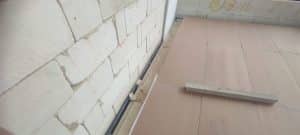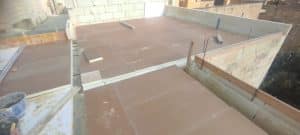

When it comes to long-lasting flooring, one of the most overlooked—but crucial—elements is waterproofing. And if you’re wondering how to waterproof screed in Malta, you’re in the right place. Whether you’re dealing with high humidity, sea air, or just want peace of mind, ensuring your screed is properly waterproofed can save you thousands in future repairs.
In this in-depth, no-fluff guide, we’ll walk you through the importance of screed waterproofing in Malta, the most effective methods, local considerations, and where you can buy the materials or hire professionals. By the end, you’ll know exactly how to waterproof screed in Malta—and why it’s one of the smartest construction decisions you can make.
1. Why Waterproofing Screed in Malta Is Absolutely Essential | How To Waterproof Screed In Malta
Let’s start with the basics: screed is the layer of material (usually a sand and cement mix) applied over a concrete subfloor before installing your final floor finish, like tiles, wood, or vinyl. But what happens if water seeps in?
In Malta, water infiltration is a serious issue. | How To Waterproof Screed In Malta
Due to the island’s Mediterranean climate, homes are exposed to moisture from high humidity, winter rains, and coastal salt-laden air. Over time, unprotected screed can absorb moisture, leading to:
Cracking and disintegration of the screed layer
Growth of mold and mildew
Damage to finishes like tiles and timber flooring
Higher maintenance costs
Reduced lifespan of your floor
If you’re asking how to waterproof screed in Malta, it’s likely because you’ve seen—or want to avoid—these problems. Fortunately, the solution isn’t overly complex. But it must be done right.
2. Understanding the Best Methods of Screed Waterproofing | How To Waterproof Screed In Malta
There isn’t a one-size-fits-all method for waterproofing screed. The best approach depends on whether the screed is above ground (like an upper floor or balcony) or on-ground (like ground floors or basements).
Here are some of the most effective waterproofing techniques used in Malta today:
a. Liquid Waterproofing Membranes | How To Waterproof Screed In Malta
These are applied like paint, either on top of cured screed or underneath it, depending on the situation. Once dry, the membrane forms a rubber-like barrier that prevents water from penetrating.
Pros:
Flexible and seamless
Easy to apply
Works well on both horizontal and vertical surfaces
Cost: Around €15–€25 per m²
b. Waterproof Screed Additives | How To Waterproof Screed In Malta
These are admixtures added directly into the screed mix, turning it water-resistant from the inside out. They’re perfect for showers, bathrooms, and kitchens.
Pros:
No extra layer needed
Internal protection
Doesn’t change the screed’s appearance or workability
Cost: Additives usually range from €5–€10 per 25kg bag of screed mix
c. Sheet Membranes | How To Waterproof Screed In Malta
These are physical layers (like bituminous or PVC rolls) installed underneath or above the screed. While durable, they require professional installation.
Pros:
High resistance to punctures
Long-lasting
Excellent for balconies and terraces
Cost: Around €20–€35 per m² (installation included)
Each of these methods is effective, and many Maltese contractors use a combination of two, like a membrane under screed and additives in the screed itself, for double protection.
3. Step-by-Step: How to Waterproof Screed in Malta Like a Pro | How To Waterproof Screed In Malta
Now that you know what products are available, let’s go through the exact process of how to waterproof screed in Malta. Here’s a simplified but highly accurate breakdown:
Step 1: Surface Preparation
Ensure the surface is clean, dry, and free of dust, oils, or debris. Any cracks should be repaired with an appropriate filler or resin.
Step 2: Apply Waterproof Membrane (Optional but Recommended)
If you’re using a liquid or sheet membrane, apply it to the base concrete slab before laying screed. Make sure to overlap the joints and extend the membrane up walls by at least 10cm for complete sealing.
Step 3: Mix Screed with Waterproofing Additive
If you’re using waterproof additives, mix them into your screed. The typical ratio is one additive pack per 25kg bag of screed, but always follow the manufacturer’s guide.
Step 4: Lay the Screed
Pour the screed in sections, leveling it out as you go. Avoid overwatering the mix, as this can weaken it and reduce its waterproofing ability.
Step 5: Cure Properly
Screed needs to cure for at least 7 days, but ideally 21 for full strength. Protect it from foot traffic and water exposure during this time.
Step 6: Apply Surface Sealant (Optional)
For extra protection in high-moisture zones like showers or terraces, a top sealant can be applied to the cured screed.
This step-by-step process ensures you’re not just winging it—it’s how professionals approach waterproofing screed in Malta to ensure long-term durability.
4. Where to Use Waterproof Screed in Maltese Properties | How To Waterproof Screed In Malta
Not every floor needs to be waterproofed, but in certain parts of the home, it’s absolutely critical. These areas include:
Bathrooms and Wet Rooms: Waterproof screed keeps moisture from reaching the subfloor or causing tiles to lift.
Kitchens: Accidental spills and high humidity can degrade screed over time.
Terraces and Balconies: Exposed to rain and temperature changes—screed here must be sealed.
Pools and Spas: Without waterproofing, water can seep into structural layers.
Basements or Lower Ground Floors: These are highly vulnerable to rising damp.
Maltese homeowners should be especially careful with coastal homes where salt and moisture can penetrate untreated screed quickly, leading to spalling, crumbling, and floor failures.
5. How Maltese Contractors Handle Screed Waterproofing | How To Waterproof Screed In Malta
Many turnkey construction projects in Malta incorporate screed waterproofing as standard, especially in higher-end developments. These companies often use branded additive systems like Sika, Mapei, or Weber, combined with membranes to ensure full coverage.
Here’s what typically influences how they choose the method:
Budget constraints
Room function (e.g. kitchen vs. pool)
Timeframe of curing and handover
Environmental factors, like salt exposure or direct rainfall
So, if you’re hiring a contractor, don’t hesitate to ask: “How will you waterproof the screed?” If they can’t give you a clear answer, that’s a red flag.
6. What Can Go Wrong Without Waterproof Screed? | How To Waterproof Screed In Malta
Let’s be honest—some people skip this step thinking it’s unnecessary or too expensive. But skipping waterproofing in Malta can result in:
Tile debonding (tiles lifting due to moisture)
Foul odours and mold under floor finishes
Structural deterioration of the concrete substrate
Costly repairs, sometimes exceeding €1,000–€3,000 depending on the damage
When you consider the average cost of screed waterproofing is only €15–€35 per m², it’s one of the most cost-effective ways to safeguard your investment.
7. Where to Buy Waterproofing Screed Products in Malta | How To Waterproof Screed In Malta
If you’re a DIYer or working with a small contractor, you can find waterproofing additives and membranes at local suppliers like:
Bonnici Bros
Vassallo Group
Schembri & Sons Ltd
Camilleri Building Supplies
Many also offer delivery around Malta. Prices range based on brand, with additives starting at €5 per unit, and membranes from €20/m².
And if you’d rather not do it yourself? Easy—you can get the full service professionally done. Just contact us here and our expert team at Kibitec will take care of it for you.
📞 Need help waterproofing screed in your home or project?
👉 Contact us now for expert advice or a free quote.
🔨 Want to see what we offer?
👉 Check out our screed service in Malta—professional, fast, and reliable.
8. Frequently Asked Questions About How to Waterproof Screed in Malta | How To Waterproof Screed In Malta
Even with all the information laid out, we know you probably still have a few questions. So let’s clear them up with some FAQs tailored specifically to waterproofing screed in Malta’s unique environment.
❓ Can I apply waterproofing on old screed?
Yes—but with caution. If your screed is older, it must be clean, dry, and crack-free before applying any waterproof membrane or sealant. It’s a good idea to test the moisture levels first using a moisture meter. If the old screed is damaged, replacing or patching sections is essential before waterproofing.
❓ Is waterproofing screed required by Maltese building regulations?
While not explicitly required by law, waterproofing is strongly recommended in areas exposed to moisture. High-end construction and commercial developments often include it as a standard. If you’re working with a contractor, request that waterproofing be listed in your scope of works.
❓ Can I waterproof screed on my own?
Yes, if you’re experienced with DIY construction tasks. Products like liquid membranes and waterproofing admixtures come with instructions and are user-friendly. However, for terraces, pools, or commercial settings, professional application is strongly advised.
❓ Will waterproofing delay my floor installation?
It can, but only slightly. Membranes and additives generally add 1–3 days to your timeline. That’s a small price to pay for the long-term benefits.
9. How to Choose the Right Contractor for Screed Waterproofing in Malta | How To Waterproof Screed In Malta
When it comes to how to waterproof screed in Malta, your contractor can make or break the outcome. Here’s what to look for:
✅ Experience with Waterproofing Systems
Ask whether they’ve worked with products like Sika, Mapei, Weber, or Drizoro. These are commonly used in Malta and are reliable.
✅ Clear Explanation of Process
A reputable contractor should walk you through each stage, from surface prep to curing. If they’re vague or dismissive about waterproofing, look elsewhere.
✅ Transparent Pricing in Euros
Make sure your quote clearly separates waterproofing costs from screeding. Expect to pay:
€15–€35 per m² for waterproof screed systems
€5–€10 for each bag of waterproof additive
€20–€40 per m² for membrane installation (materials + labor)
✅ Portfolio of Past Projects
A strong contractor will have past projects they can reference—especially in wet rooms, terraces, or basements. If you’re unsure who to trust, check out our service and see the difference for yourself.
10. Waterproofing Screed in Commercial Properties | How To Waterproof Screed In Malta
Malta’s booming real estate and tourism industries mean more commercial buildings are popping up—many of which need waterproof screed.
Here’s where commercial clients commonly use it:
Hotels & Guesthouses – Bathrooms, terraces, kitchens, pool decks
Retail Stores – Especially those at street level exposed to rain
Industrial Units – Where hygiene or liquid spills are concerns
Restaurants & Cafés – Kitchens, restrooms, and cleaning areas
Offices with Raised Floors – Avoid moisture under floorboards
In these settings, the failure to waterproof can be catastrophic. The cost of replacing tiles in a luxury hotel bathroom due to screed failure could exceed €5,000–€10,000 in downtime and labor alone.
That’s why at Kibitec, we offer tailored solutions for commercial projects. Get in touch if you’re planning a large-scale development and need screed waterproofed to perfection.
11. Sustainable Waterproofing: Is It Possible in Malta? | How To Waterproof Screed In Malta
Yes—and it’s gaining traction. Builders in Malta are increasingly looking for eco-friendly materials that don’t compromise durability. Here’s how waterproofing can go green:
🌱 Low-VOC Liquid Membranes
These emit fewer harmful fumes during application, protecting indoor air quality.
♻️ Recycled Sheet Membranes
Some brands offer membranes made from recycled polymers, great for environmentally conscious builds.
🌊 Water-Based Additives
Instead of solvent-based chemicals, opt for water-based waterproofing solutions.
💡 Pro Tip:
Ask your supplier or contractor about the LEED (Leadership in Energy and Environmental Design) rating of the product you’re using—especially if you’re aiming for sustainable certification.
At Kibitec, we’re happy to help you source eco-conscious waterproofing systems that work in Malta’s demanding climate.
12. Mistakes to Avoid When Waterproofing Screed in Malta | How To Waterproof Screed In Malta
Now that you know how to waterproof screed in Malta, let’s quickly go over some common mistakes that could cost you.
❌ Using the Wrong Products
Not all waterproofing materials work with screed. Avoid cheap paint-on sealants meant for walls—they’ll fail under flooring stress.
❌ Not Curing the Screed Properly
Screed needs time to dry and strengthen. Waterproofing too early (or walking on it too soon) can compromise the layer and cause cracks.
❌ Inadequate Surface Preparation
Waterproofing won’t adhere to dusty, oily, or uneven surfaces. Prep is non-negotiable.
❌ Overwatering the Screed
Adding too much water makes the screed weaker and more porous—exactly what you don’t want when trying to make it waterproof.
❌ No Waterproofing in Wet Areas
Some people skip waterproofing altogether. In Malta, this often leads to tile lifting, foul smells, and black mold—especially in winter.
Final Thoughts: How to Waterproof Screed in Malta (The Smart Way) | How To Waterproof Screed In Malta
Let’s recap.
If you’re asking how to waterproof screed in Malta, the answer depends on your space, budget, and long-term goals—but one thing is clear:
👉 You should waterproof screed if you’re in a moisture-prone area like bathrooms, balconies, terraces, or kitchens.
👉 You can choose from liquid membranes, additives, or sheet systems—or combine them for better results.
👉 Screed waterproofing costs around €15–€35 per square metre, depending on method and materials.
👉 In Malta’s humid, coastal climate, skipping this step is never worth the risk.
So whether you’re building, renovating, or restoring a property in Malta, make sure screed waterproofing is part of your plan.
🛠️ Ready to waterproof your screed the right way?
👉 Contact us at Kibitec for expert guidance, installation, or material supply tailored to Maltese conditions.
🔍 Want to learn more about what we offer?
👉 Check out our full screed service in Malta—durable, fast-curing, and built for the local climate.
🔗 Bonus Insight
Did you know that screed installation is a key element of turnkey construction projects? Proper waterproofing plays a huge role in the overall performance of these ready-to-use builds. That’s why the best builders in Malta never skip this step.