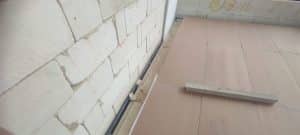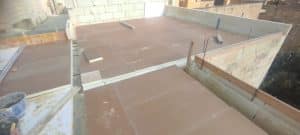

If you’re planning a renovation, extension, or new build in Malta, there’s a good chance you’ve found yourself asking the question: do I need to screed a concrete floor? It might sound like a minor detail, but whether or not to screed can make a major difference in your finished space’s durability, comfort, and appearance.
Let’s break it all down—professionally, but conversationally—just like that handy friend who always knows a guy.
What Exactly is Screeding—and Why Should You Care?| Do i Need To Screed a Concrete Floor
Before we dive into whether or not you need to screed, let’s first be clear about what screeding is.
Screeding is the process of applying a thin layer of material (usually a sand and cement mix or flowing screed) on top of a structural concrete floor. Its main purpose? To level the surface and create a smooth, even finish that’s ideal for floor coverings like tiles, vinyl, microcement, parquet, or carpet.
Sounds simple, right? But in reality, floor screeding is crucial to ensuring your floor is:
Flat and level
Insulated and thermally efficient
Compatible with underfloor heating
Moisture resistant (if using specialised screeds)
Structurally sound under load-bearing materials
So, if you’re wondering “do I need to screed a concrete floor?”, you’re already thinking like a pro.
1. The Shocking Truth: Most Concrete Floors Aren’t Flat Enough| Do i Need To Screed a Concrete Floor
Here’s the deal—concrete slabs are not naturally level. Even newly poured concrete can have dips, humps, and surface imperfections. In Malta, especially in older properties or DIY home extensions, the surface can be even worse.
Now ask yourself this: Are you laying tiles, engineered wood, or a delicate microcement finish? If so, unevenness isn’t just an aesthetic issue—it’s a structural risk.
A screed layer helps:
Correct slope issues
Cover minor cracks and chips
Ensure uniform thickness for finishes
So, yes—you probably do need to screed a concrete floor to get the level and smoothness required for proper finishing.
2. Planning to Install Underfloor Heating? Screed is a Must.| Do i Need To Screed a Concrete Floor
Malta is known for its hot summers, but winters can get surprisingly chilly—especially on stone and concrete floors. More and more homeowners are turning to underfloor heating systems to bring comfort without bulky radiators.
If you’re installing underfloor heating, screed is not optional. It’s essential.
Why?
Because the screed:
Encases and protects heating pipes or cables
Helps distribute heat evenly
Improves energy efficiency
Prevents cracking from temperature fluctuations
In this case, a flowing screed is often used because it can completely envelop heating pipes and settle naturally into gaps.
So, the next time someone asks, “do I need to screed a concrete floor if I have underfloor heating?”, the answer is a clear and confident yes.
3. Save Money by Screeding—Yes, Really!| Do i Need To Screed a Concrete Floor
It sounds counterintuitive, right? Adding another layer costs more, not less?
Well, not quite.
Skipping screed might seem like a budget-friendly move, but here’s what can go wrong:
Tiles may crack from poor adhesion or uneven surfaces
Vinyl may bubble over dips or moisture
Microcement may fracture, especially on old slabs
Floor coverings may lift, leading to expensive repairs
So, while screeding costs anywhere from €15 to €30 per square metre in Malta depending on thickness and material, it can save you hundreds of euros in future repairs and re-installations.
Still wondering do I need to screed a concrete floor? If you like saving money and avoiding hassle, the answer is yes.
4. Screed Improves Acoustic and Thermal Performance| Do i Need To Screed a Concrete Floor
Here’s a benefit most people in Malta overlook—screed can boost your insulation.
By using certain screed types (e.g. liquid screeds or ones with insulation layers), you can reduce:
Heat loss through floors
Footfall noise, especially in apartments
Vibration transmission in multi-storey buildings
This is especially helpful in turnkey construction projects, where comfort and efficiency matter just as much as design. (And if you’re curious, check out this turnkey construction overview to see how screeding fits in.)
So again, do I need to screed a concrete floor in a modern, energy-efficient home? Absolutely.
5. Malta’s Climate Requires Moisture Protection—Screed Helps!| Do i Need To Screed a Concrete Floor
Malta’s high humidity and coastal air make moisture a hidden enemy in construction. A concrete floor that isn’t properly prepared can absorb moisture, leading to efflorescence, damp patches, or mould under floor coverings.
Specialised screeds—like polymer-modified, latex-based, or liquid screeds—can serve as moisture barriers, especially when combined with DPMs (damp proof membranes).
This extra layer gives you:
A longer-lasting floor
Cleaner, healthier indoor air
Fewer maintenance headaches down the line
Bottom line? If your building is near the coast (like most of Malta), and you’re asking do I need to screed a concrete floor, the safest bet is to say yes and protect your investment.
6. Screed Gives You That Perfect “Ready-to-Finish” Surface| Do i Need To Screed a Concrete Floor
Let’s say you’re working on a sleek, minimalist space with polished concrete or microcement. You want every line and transition to look clean and precise.
That’s impossible without a level, trowelled screed underneath.
Screed offers that:
Ultra-flat surface ideal for large tiles or seamless finishes
Clean transitions at thresholds and corners
Smooth base that reduces adhesive usage for finish layers
In luxury renovations or commercial fit-outs, this can make or break the finished look. And yes—you can buy screed materials or get expert screeding services directly in Malta by contacting Kibitec.
7. When Don’t You Need Screed?| Do i Need To Screed a Concrete Floor
Let’s flip the question for a moment.
There are a few scenarios where you might not need to screed a concrete floor:
If you’re laying external concrete and leaving it exposed
If you’re using a self-levelling compound over a small area
If the floor is already perfectly level (rare in Malta!)
If you’re doing temporary flooring (e.g. workshop mats)
But these situations are the exception, not the rule.
In almost every residential or commercial project—especially those involving floor coverings—the answer to do I need to screed a concrete floor is still yes.
Want Help with Screeding in Malta?| Do i Need To Screed a Concrete Floor
If this all sounds like a lot to think about, don’t worry. Kibitec has you covered.
We’re experts in concrete screeding in Malta, and we offer everything from traditional sand and cement screeds to flowing, fast-drying, and even heated screeds—tailored to your space, your floor covering, and your budget.
We’ll assess your concrete floor, recommend the right screed solution, and get it done quickly, efficiently, and cleanly.
➡️ Check out our screeding services here.
Screeding Alternatives: Are There Any?| Do i Need To Screed a Concrete Floor
If you’re asking, do I need to screed a concrete floor, it’s worth considering whether alternative methods might achieve similar results. While screeding remains the gold standard in floor levelling, there are a few other options, particularly for smaller areas or less demanding surfaces:
1. Self-Levelling Compounds
Self-levelling products are polymer-modified cement-based compounds designed to flow and flatten with minimal troweling. They’re ideal for interior surfaces where thickness needs are minimal (3mm to 10mm).
Pros: Quick application, minimal labour
Cons: More expensive per m² compared to screed, not suitable for thicker builds or exterior use
Cost in Malta: Around €20–€30 per 25kg bag, covering approximately 3–5 m² depending on thickness.
2. Floating Floors
A floating floor is built over insulation or underfloor heating systems without being directly bonded to the slab.
Use Case: When insulation layers or heating systems are a must
Cost Impact: Additional structural design considerations may increase price by €10–€15 per m²
Still, for heavy-duty, long-lasting performance—particularly in homes, garages, warehouses, or bathrooms—screeding offers unparalleled durability and adaptability.
How Much Does Screeding Cost in Malta?| Do i Need To Screed a Concrete Floor
Understanding local pricing is essential when deciding do I need to screed a concrete floor. Screed costs in Malta vary depending on the type of screed, the total area, thickness, accessibility, and whether labour and materials are included.
Typical Screeding Costs:
| Screed Type | Avg. Price per m² | Description |
|---|---|---|
| Traditional Sand/Cement Screed | €20–€28 | Most common in Malta for interior and exterior |
| Fibre-Reinforced Screed | €30–€38 | Better for crack resistance and durability |
| Liquid Flowing Screed | €35–€45 | Great for underfloor heating or complex spaces |
| Self-Levelling Screed | €28–€40 | Used for fine-level finishing or thin overlays |
💡 Pro Tip: Opt for fibre-reinforced screeds in high-traffic or high-humidity areas like bathrooms or pool surrounds.
Keep in mind that additional preparation—such as floor insulation, moisture barriers, or bonding agents—may add €3–€10 per m² depending on the project scope.
Common Mistakes to Avoid When Screeding| Do i Need To Screed a Concrete Floor
If you’ve decided the answer to do I need to screed a concrete floor is “yes,” it’s vital to avoid these frequent errors:
1. Skipping the Primer or Bonding Agent
This leads to delamination where the screed detaches from the substrate. Always use a proper bonding slurry or primer.
2. Incorrect Mixing Ratios
A screed too wet may crack and shrink. Too dry, and it becomes brittle. The optimal sand-to-cement ratio is usually 4:1 to 5:1.
3. Inadequate Curing Time
Allow 24–48 hours before light foot traffic and a full 28 days before laying tiles or applying topcoats—especially in Malta’s humid climate.
4. Ignoring Expansion Joints
These are critical in larger floor areas to prevent cracking from thermal expansion.
5. Untrained Installation
Screeding may look simple, but it’s a skill. Inconsistent levels and uneven surfaces can cost you far more to fix than hiring a professional in the first place.
Why Professional Screeding Makes a Difference| Do i Need To Screed a Concrete Floor
If you’re uncertain about DIY screeding or have a complex floor layout, hiring professionals ensures:
Precision levels and smoothness
Proper curing techniques
Durable finishes without cracking
Faster project timelines
Compatibility with underfloor heating or moisture barriers
Our team at Kibitec Screed Malta offers a full suite of screeding solutions tailored for Malta’s climate, building types, and finishes.
Final Verdict: So, Do I Need to Screed a Concrete Floor?| Do i Need To Screed a Concrete Floor
If your goal is to create a level, solid, and durable base that ensures a flawless finish for tiles, resin, microcement, or wood flooring—then yes, screeding is essential. Especially in Malta, where the climate and architectural styles often demand high-quality, resilient finishes.
However, your decision also depends on your subfloor conditions, finish requirements, and budget. For most residential and commercial projects, screeding is not just necessary—it’s smart.
Whether you’re preparing a new home, renovating an older one, or upgrading your commercial space, Kibitec can help you choose the right screed and install it to perfection.
✅ Contact Us| Do i Need To Screed a Concrete Floor
Have questions? Want a custom quote? Reach out directly at https://kibitec.com/contact-us/
✅ Check Out Our Screeding Services in Malta| Do i Need To Screed a Concrete Floor
Learn more about our floor screeding options and expert advice right here:
👉 https://kibitec.com/screed-malta/
🏗️ What Is Screed in Turnkey Construction?| Do i Need To Screed a Concrete Floor
In turnkey construction, screed is an integral part of delivering a fully finished floor. It ensures the base is even, insulated, and ready for final finishes—be it tiles, wood, or epoxy.